Consumer Confidence in the U.S. Plummets to Historic Low Amid Rising Living Costs

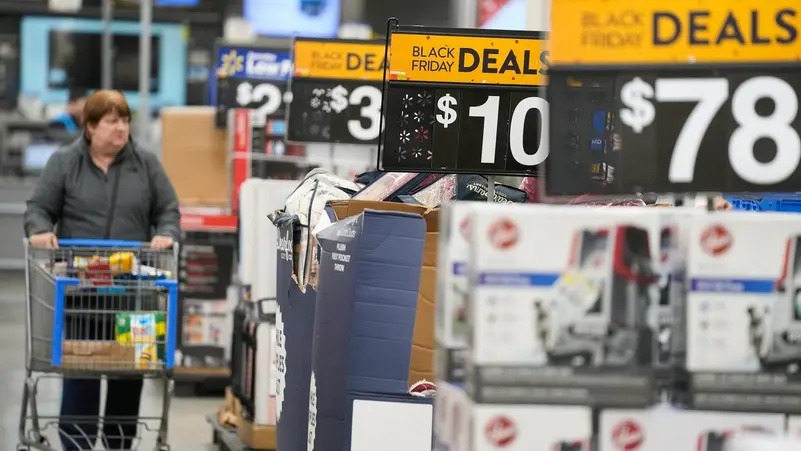
- Consumer confidence in the U.S. fell to a record low of 44.8 points.
- Gasoline prices surged over 50% since the conflict in Iran began.
- Supply chain pressures have led to shortages of essential goods.
- Inflation expectations indicate continued economic challenges for consumers.
Consumer Confidence Hits Record Low Amid Rising Living Costs
Consumer confidence in the United States has declined to its lowest level on record as of May, driven by increasing concerns regarding individuals’ capacity to manage their living expenses. This downturn is primarily attributed to a notable surge in gasoline prices, which have been significantly affected by the ongoing conflict in Iran, as indicated by a recent survey conducted by the University of Michigan.
Reasons Behind the Decline in Confidence
Recent data reveals that gasoline prices have risen by over 50% since the onset of the conflict on February 28, with the average price now standing at $4.552 per gallon. Compounding these issues are shipping disruptions through the Strait of Hormuz, which have resulted in elevated global energy prices. Additionally, supply chain challenges have led to shortages of essential goods, including fertilizers, aluminum, and various consumer products.
Heather Long, Chief Economist at Navy Federal Credit Union, emphasized the frustrations of American consumers, stating, “American consumers are frustrated with the economic situation” due to the relentless rise in the costs of basic necessities.
Alarming Economic Indicators
Recent economic reports indicate a significant decline in the Consumer Confidence Index, now at 44.8 points, marking a historic low. Furthermore, inflation data for April has shown the fastest increase in three years, underscoring the persistent economic pressures faced by consumers.
Expectations for inflation over the next year have risen to 4.8%, while projections for the next five years suggest an increase of 3.9%. These forecasts imply that the Federal Reserve may maintain interest rates within the 3.50% to 3.75% range until next year, as it navigates these economic challenges.
Conclusion
The decline in consumer confidence in the United States reflects significant economic challenges that necessitate effective responses from policymakers. In light of these difficult circumstances, the U.S. government must explore strategies to enhance the economic landscape and mitigate pressures on consumers.
For more information, visit Yemen TV.