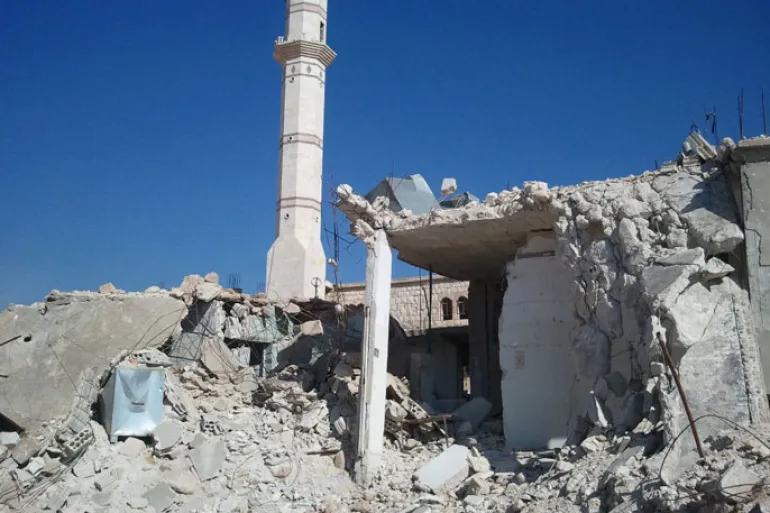
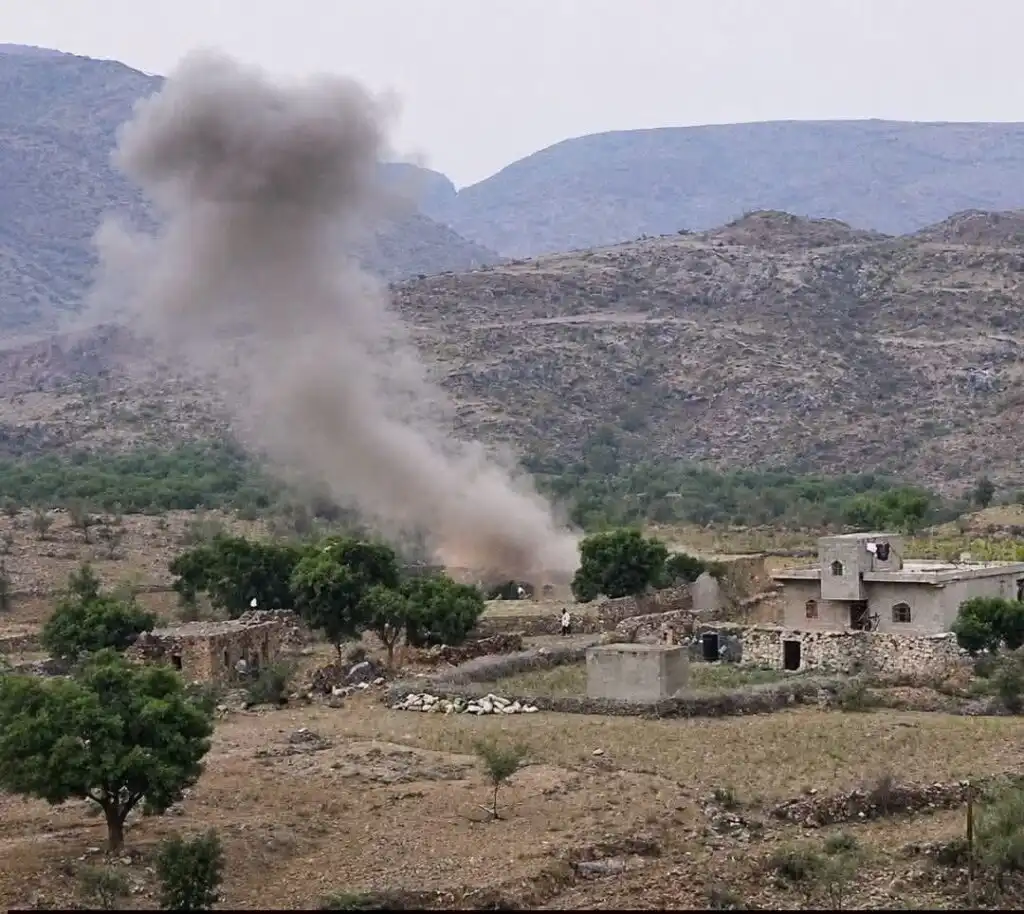
The siege by Houthi militias and the suffering of displaced people highlighted Alimi’s visit to King Salman Center.

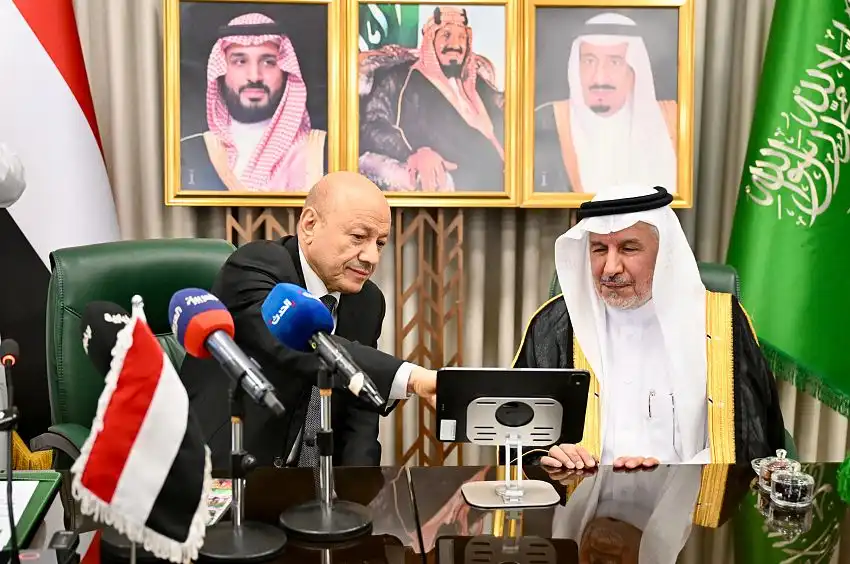
- The daily struggles of Yemenis manifest in overcrowded displacement camps and besieged cities that fight for basic services.
- These areas face increasing displacement and require service and development projects to enhance stability and improve service levels.
- Ongoing Humanitarian Efforts The visit aligns with efforts to bolster humanitarian and developmental support.
- Yemen's Continued Need for Support Official statistics from the center indicate that Yemen remains at the top of the list of countries benefiting from humanitarian programs in 2026.
Humanitarian Crisis in Yemen: President Alimi’s Visit to King Salman Relief Center
In a country ravaged by war for over a decade, Yemen faces one of the largest humanitarian crises in the world. The daily struggles of Yemenis manifest in overcrowded displacement camps and besieged cities that fight for basic services. As the repercussions of the Houthi coup continue to impact living and economic conditions, the need for humanitarian and developmental partnerships grows. These partnerships aim to alleviate the suffering of millions and provide hope to the most affected communities.
Importance of President Alimi’s Visit
President of the Presidential Leadership Council, Dr. Rashad Mohammed Alimi, recently visited the King Salman Relief and Humanitarian Aid Center. This visit holds exceptional significance, not only due to its humanitarian focus but also because it coincides with rising challenges in liberated provinces. These areas face increasing displacement and require service and development projects to enhance stability and improve service levels.
The Situation in Taiz
Residents of Taiz Governorate particularly suffer from the war ignited by the Houthi militia. The city has endured years of a suffocating blockade imposed by the militia on its main entrances. This blockade has exacerbated the hardships faced by residents, increasing the costs of transportation, services, and essential goods. Ongoing conflict and violations have displaced over 250,000 citizens from the governorate, according to local estimates. This situation has intensified humanitarian needs and placed additional burdens on host communities.
Ongoing Humanitarian Efforts
The visit aligns with efforts to bolster humanitarian and developmental support. Discussions included signing several construction and service projects targeting vital sectors such as health, water, education, shelter, and economic recovery. These initiatives aim to alleviate the suffering of citizens and displaced individuals while improving their living conditions.
Strengthening Cooperation with Saudi Arabia
This step enhances the existing cooperation between the Yemeni government and the Kingdom of Saudi Arabia, represented by the King Salman Relief and Humanitarian Aid Center. This center stands as the largest supporter of humanitarian work in Yemen. According to the center’s data, more than 1,193 humanitarian projects have been implemented in Yemen since 2015, with a total value exceeding 4.59 billion US dollars. These projects cover sectors such as food security, health, water, education, shelter, and protection.
Yemen’s Continued Need for Support
Official statistics from the center indicate that Yemen remains at the top of the list of countries benefiting from humanitarian programs in 2026. This year alone, 46 projects valued at over 130 million US dollars have been allocated.
A Clear Message from President Alimi’s Visit
Observers note that President Alimi’s visit to the King Salman Relief Center sends a clear message. Addressing humanitarian challenges in Yemen extends beyond emergency relief. It includes supporting infrastructure projects, essential services, and sustainable development, especially in provinces most affected by blockade and displacement. Taiz, in particular, remains a living testament to the suffering caused by the Houthi militia.
To follow the news in Arabic