The Saudi ambassador stated that the Houthi militia exploits the suffering of Yemenis, asserting that Yemen is not theirs and Taiz will not be a hostage to their agenda.

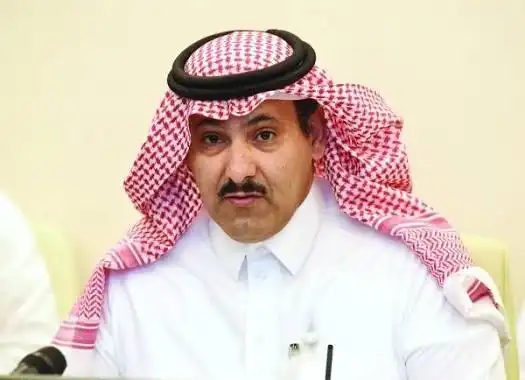
- Saudi Ambassador Mohammed Al-Jaber affirms continued support for Yemen's legitimate government.
- Al-Jaber criticizes Houthi militias for exploiting the suffering of the Yemeni people.
- The situation in Taiz remains dire due to Houthi sieges obstructing humanitarian access.
- Houthi control over resources diverts state revenues, hindering Yemen's development and stability.
Saudi Ambassador Affirms Support for Yemen Amid Houthi Challenges
Saudi Ambassador Mohammed Al-Jaber stated that the Kingdom of Saudi Arabia will protect its people, security, territories, and vessels. He emphasized that Saudi Arabia will continue to support the Yemeni people and their legitimate government until security, peace, and stability are achieved, along with support for Yemen’s development and prosperity.
Houthi Militias and National Dialogue
In a statement published on the platform X, Ambassador Al-Jaber criticized the Houthi militias, which he described as terrorist groups backed by the Iranian regime. He accused them of evading the requirements of national dialogue and the roadmap, dragging Yemen into regional conflicts that do not serve the Yemeni people or address their basic needs. He asserted that the Houthis exploit the suffering of Yemenis for their own gain.
Yemen’s Right to Stability
The ambassador declared that Yemen does not belong to the Houthis and that Taiz will not be a hostage to their agenda. He expressed confidence that Yemen and its people will emerge victorious. Al-Jaber highlighted that Yemen deserves a stable state, effective institutions, regular salaries, open roads, and peace that preserves the dignity of its citizens.
Houthi Exploitation of Crises
Al-Jaber pointed out that the Houthi militias view every crisis as an opportunity for escalation. He noted that they see political requirements as obstacles to their agenda and use the blood of Yemenis as fuel for their adventures. He criticized the Houthis for their repetitive pattern of exploiting crises as a political pressure tool while portraying themselves as victims, ignoring the consequences of their decisions. This behavior results in a weakened nation and a population suffering under a project that serves foreign agendas and endless extremist adventures.
The Situation in Taiz
The ambassador highlighted the dire situation in Taiz, where terrorist militias besiege civilians, obstructing their access to food and medicine. He questioned how any dialogue could occur amid the siege of Taiz, the closure of the airport, and the involvement of the country in regional conflicts and bloodshed, all while hindering peace efforts.
Airport and Humanitarian Access
Al-Jaber explained that Sana’a Airport operated flights until the Houthis seized four Yemeni Airlines planes in June 2024. This led to the destruction of the airport and the four planes in May 2025, witnessed by all. He mentioned that when initiatives were proposed, including renting planes under Yemeni Airlines’ supervision and a Jordanian initiative for flights between Amman and Sana’a, they were met with rejection or new conditions. He questioned who truly obstructed the airport.
Houthi Control Over Resources
The ambassador noted that the ports of Hodeidah receive daily shipments of food, medicine, fuel, and commercial goods. However, he accused the Houthi militias of diverting state revenues, including telecommunications, taxes, customs duties, and religious taxes, to fund their war against Yemenis, Saudi Arabia, and commercial vessels in maritime corridors. He criticized their refusal to pay salaries to employees and their failure to provide services in areas they control, often using violence against those who demand these rights or oppose them.
UN Report on Houthi Funding
Al-Jaber stated that these accusations are not baseless. He referenced the final report from the United Nations Expert Team (S/2024/731), which indicated that the Houthi militias exploit their control over the telecommunications sector to raise funds for their armed drones and coastal forces through millions of text messages. The report revealed that they collected approximately 994 billion riyals in customs duties on fuel imported through Hodeidah ports between April 2022 and June 2024 alone. The team estimated their income from this sector at around 1.34 trillion riyals, while the Houthis reportedly earn two billion dollars annually from smuggled oil. All these funds, among others, are directed towards military purposes.
To follow the news in Arabic