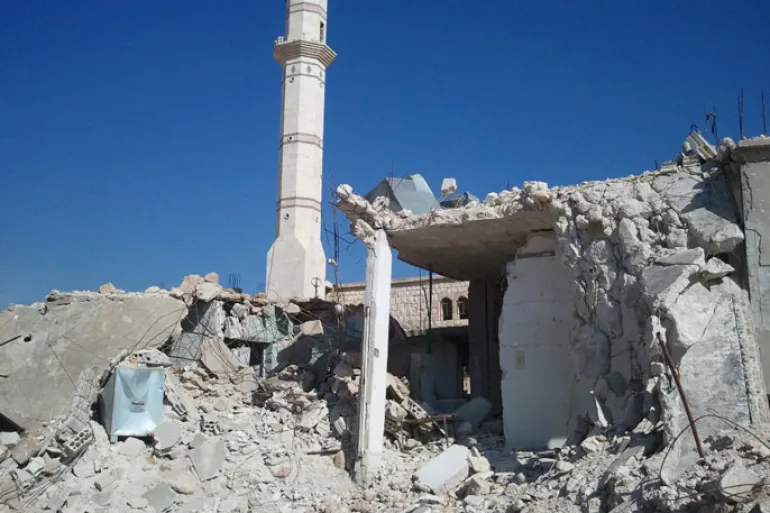
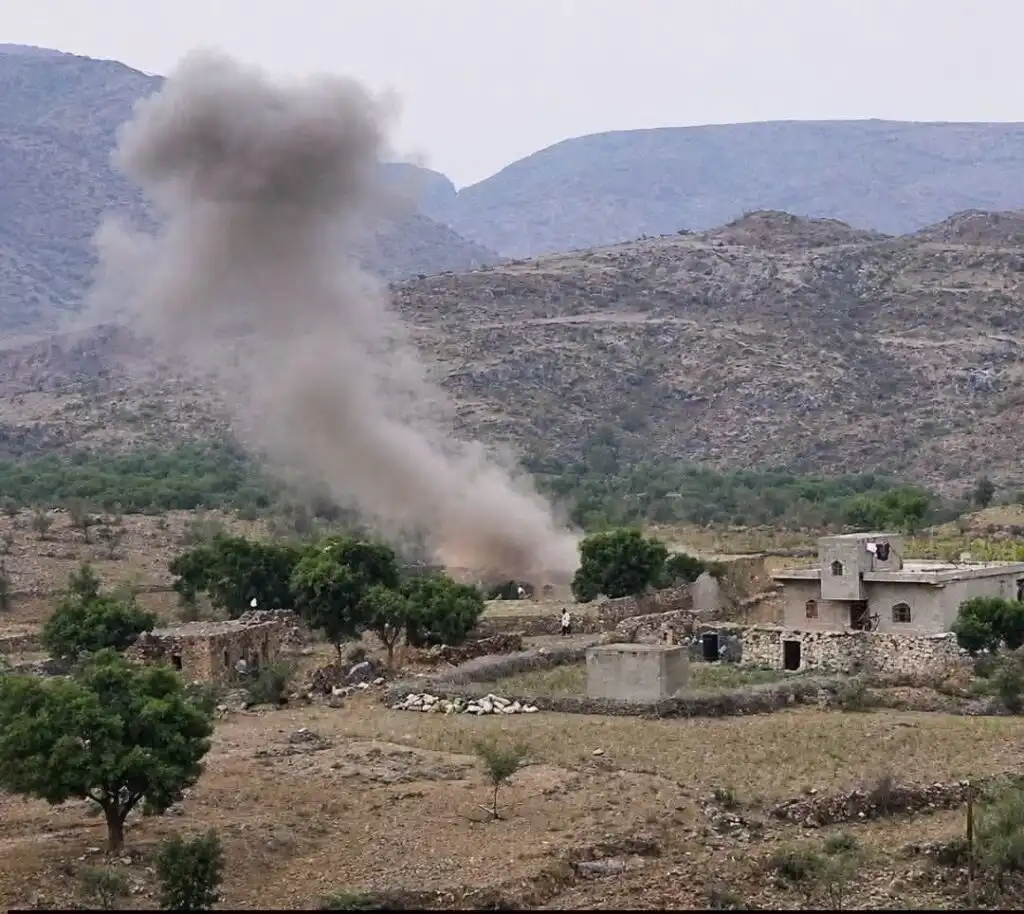
The healthcare sector in Houthi-controlled areas has collapsed since 2015, severely impacting public health and services.

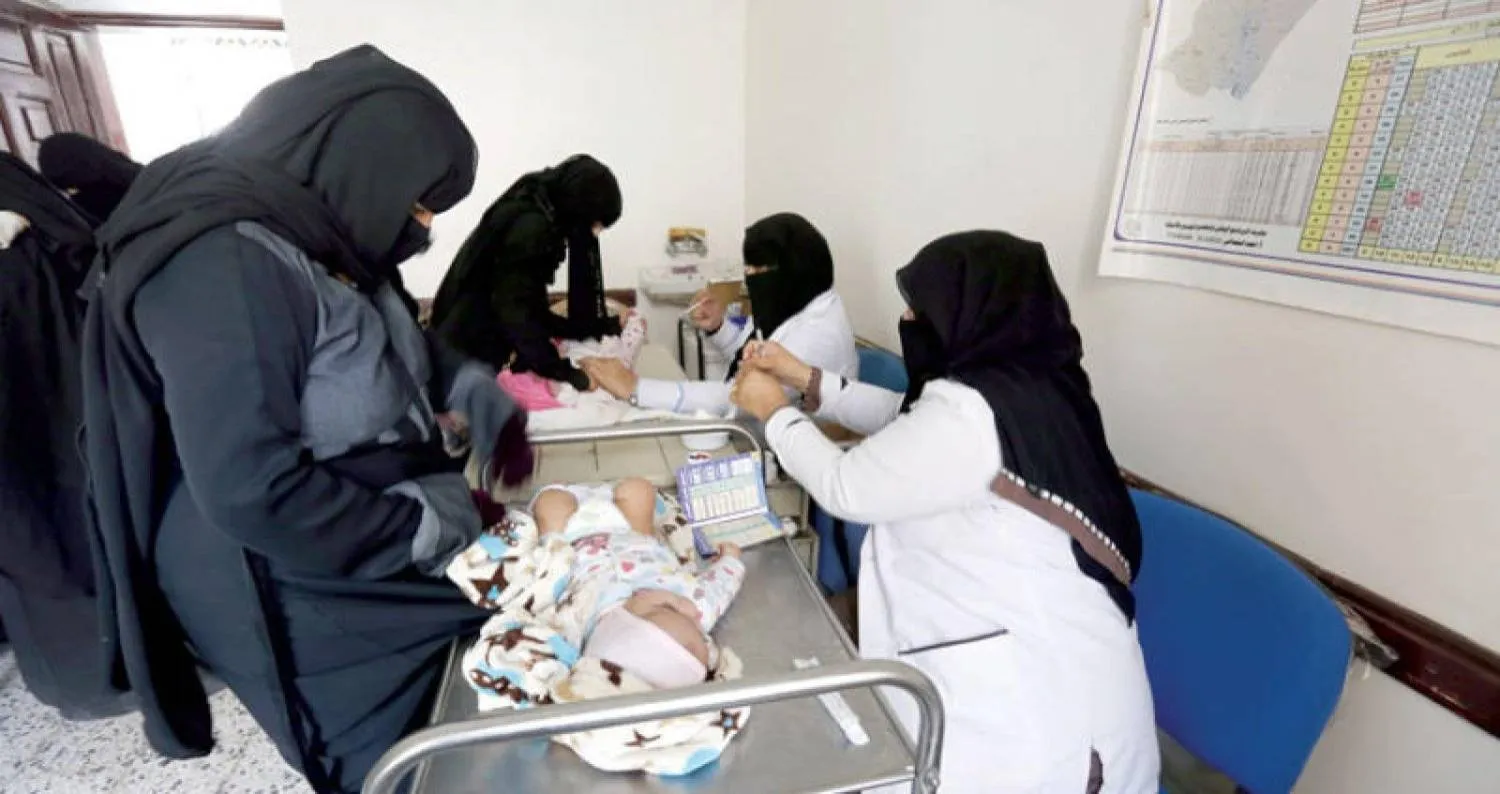
The Collapse of Healthcare in Houthi-Controlled Areas Since 2015
Since the Houthi militia’s takeover of Yemen in 2014-2015, the healthcare sector in areas under their control has experienced rapid deterioration. This decline has led to a complete collapse of healthcare services, endangering the lives of millions of civilians. More than a decade into the conflict, hospitals, medical staff, and patients now face the worst health crisis in modern Yemeni history.
2015 – 2017: The Beginning of the Collapse and Militia Control Over Health Institutions
Following the Houthis’ seizure of Sana’a and several provinces, the group tightened its grip on health institutions. They appointed unqualified individuals to leadership positions and repurposed public hospitals to treat their fighters. Additionally, they looted medical supplies and medications provided by international organizations.
During this period, the salaries of tens of thousands of healthcare workers ceased, prompting an initial wave of medical professionals to flee, either abroad or to areas under legitimate government control.
2018 – 2020: Escalation of Violations Against Doctors and Decline of Basic Services
These years saw a rise in violations, with authorities arresting doctors who criticized mismanagement or demanded their rights. The militia imposed financial levies on private hospitals, leading to a decline in emergency and intensive care services due to shortages of equipment and medications.
A severe crisis emerged regarding medications for chronic diseases, particularly diabetes, heart conditions, and kidney issues. This crisis stemmed from the militia’s monopoly on distribution and the exploitation of medical aid.
2021 – 2023: Deterioration of Healthcare Infrastructure and Increased Patient Suffering
Conditions worsened as the war continued and funding dwindled. Dozens of hospitals ceased operations due to a lack of maintenance, and vaccination programs halted in some areas. Child and maternal mortality rates surged due to inadequate healthcare.
Moreover, the militia expanded its practice of converting hospitals into security headquarters or weapon storage sites, further degrading healthcare services.
2024 – 2026: Complete Collapse… Kidnapping of Doctors and Denial of Treatment to Patients
In the last two years, the collapse reached its peak. The militia conducted raids and arrested several medical professionals in Sana’a and Ibb. Among those detained was Dr. Majid Al-Khazan, an orthopedic surgeon, who was rearrested after complaints from Houthi leaders, disrupting surgeries for his patients.
Ibb province faces a severe crisis due to a three-month insulin shortage, leaving over 5,000 patients without the free treatment they rely on. The complete depletion of medical supplies has severely impacted patients’ lives.
Conclusion: A Collapsed Healthcare Sector Threatening Millions of Yemenis
Since 2015, Houthi policies have led to the near-total collapse of the healthcare system. A mass exodus of medical professionals and the unchecked spread of chronic diseases without treatment have become the norm. Additionally, rising mortality rates due to the absence of basic services pose a significant threat.
Experts warn that if this situation persists, it could lead to an unprecedented humanitarian disaster. Urgent action is necessary to rehabilitate the healthcare sector and ensure that medications and services reach those in need, free from militia interference.
To follow the news in Arabic