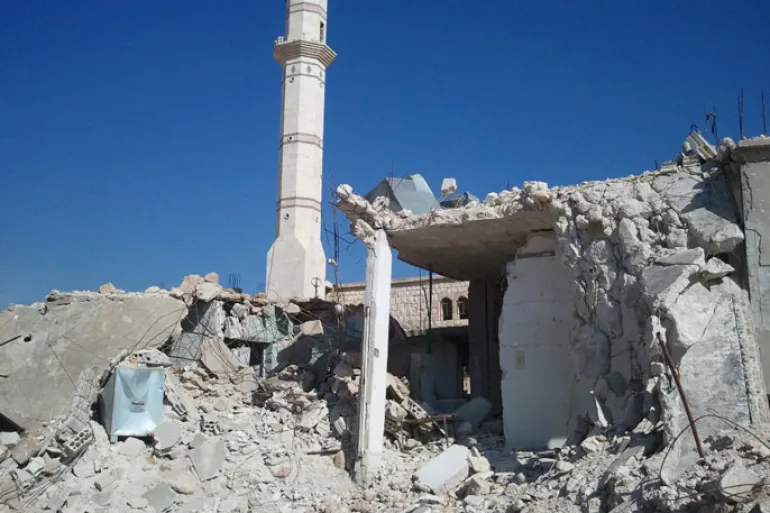
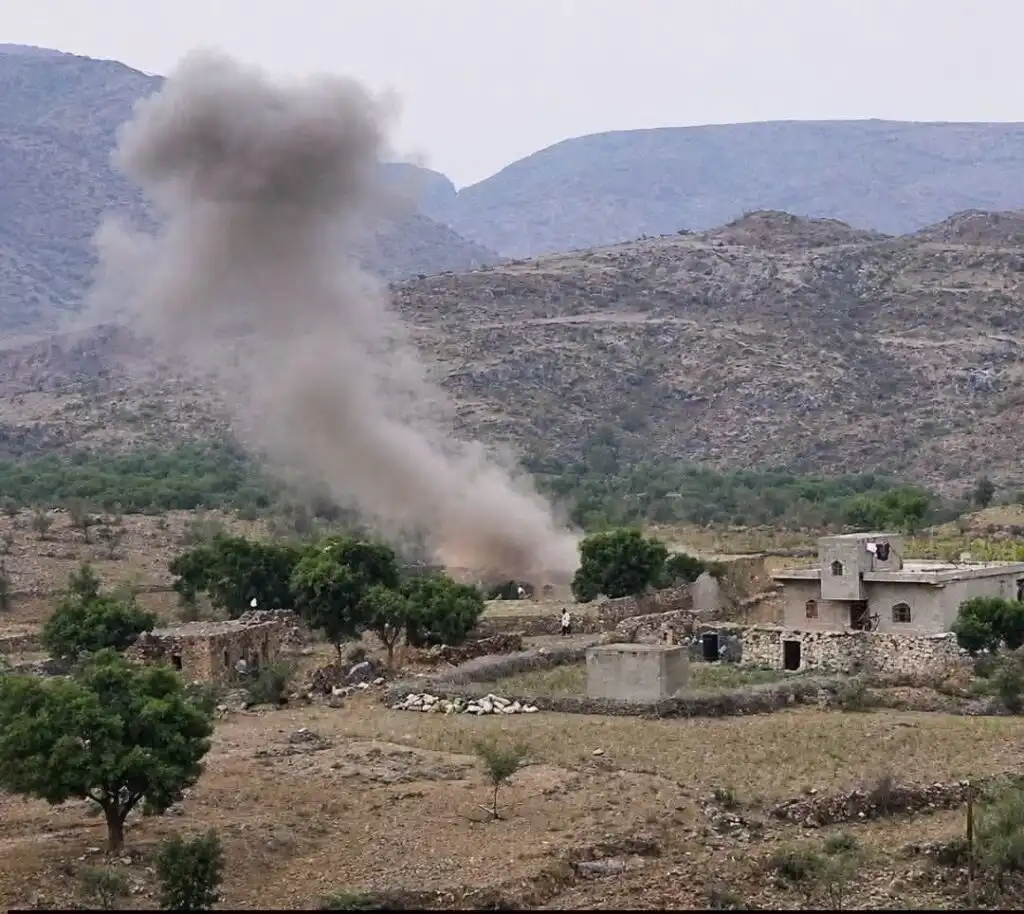
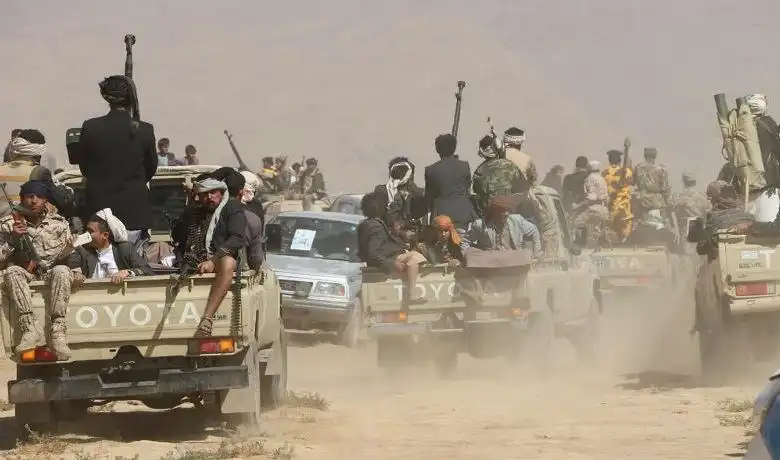
Yemen ranks among the world’s most polluted countries due to landmines and unexploded ordnance.

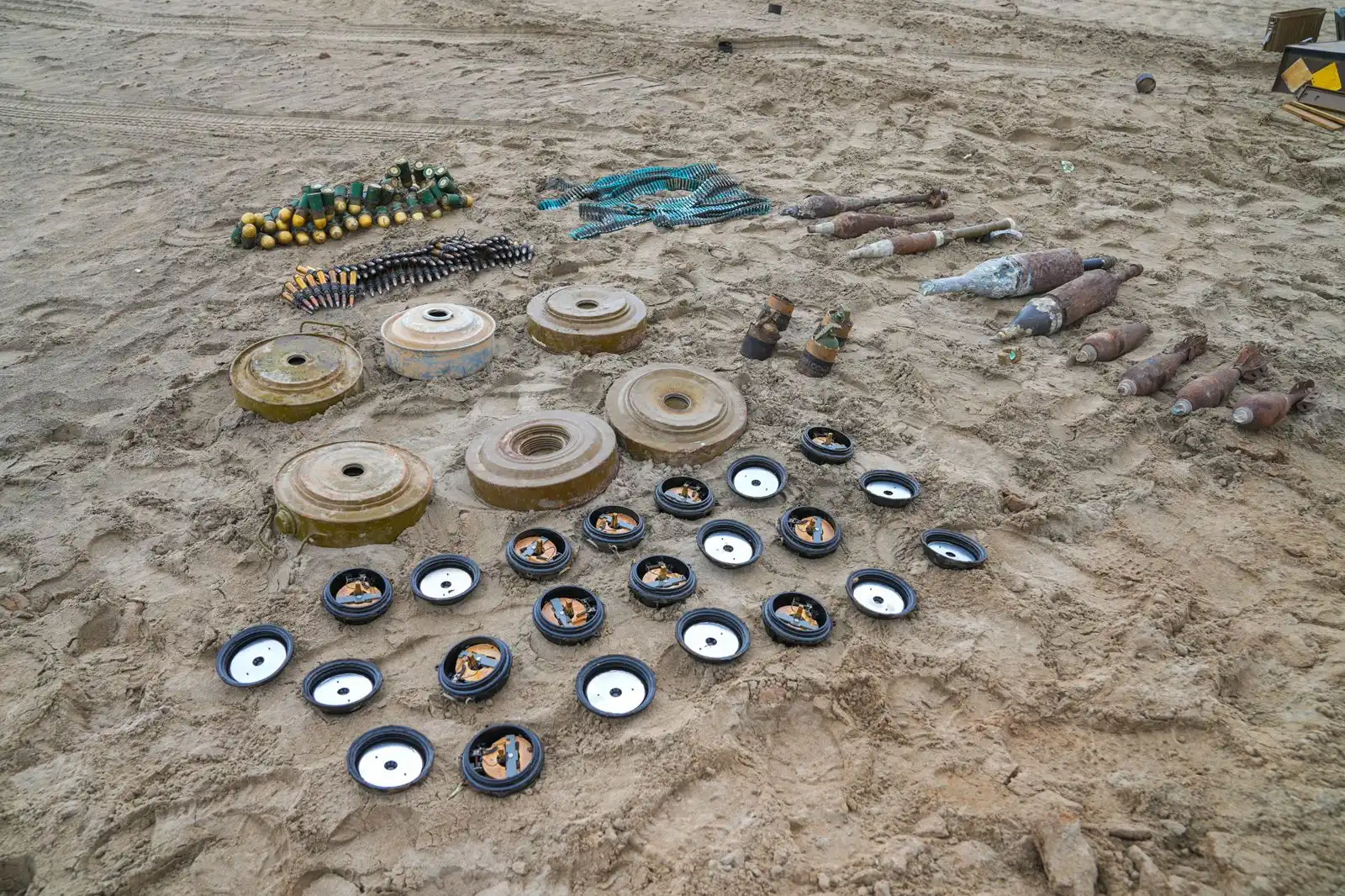
Yemen Faces Severe Landmine Pollution Amid Ongoing Conflict
The Danish Refugee Council has reported that Yemen, enduring over eleven years of continuous conflict, has become one of the most landmine- and unexploded ordnance-polluted countries globally. This widespread contamination stems from the remnants of war, particularly in the western coastal regions and the governorates of Al Hudaydah and Taiz.
Rising Casualties and the Impact on Children
In its latest statement, the Council highlighted that explosive remnants of war accounted for over half of the armed violence casualties among children in 2023. This alarming statistic underscores the extent of contamination in Yemen, which ranks among the highest worldwide due to the ongoing conflict between the legitimate government and Houthi rebel forces.
European Project to Combat Landmines
The statement also noted that the European Union has funded a humanitarian project worth €5 million aimed at combating landmines in Yemen. The Danish Refugee Council implements this initiative, which will last for three years and focuses on four main pillars:
- Raising awareness about the dangers of explosive ordnance.
- Surveying hazardous areas.
- Assisting victims.
- Removing landmines.
Clearing Land and Restoring Community Safety
The Council reported that teams successfully cleared two minefields in the Mawza district of Taiz governorate. This achievement allowed the contaminated land to be returned to local communities, enabling them to resume agricultural activities. All discovered mines were locally manufactured anti-vehicle types, which have caused hundreds of casualties and instilled fear among residents along the western coast.
Additionally, teams assessed over 200 local communities and identified 54 hazardous areas contaminated with landmines, complicating survey operations. They added 2.1 million square meters of confirmed and suspected minefields to Yemen’s national database, supplementing the previously identified 57 million square meters.
Ongoing Awareness Programs and Assistance
Awareness programs about the dangers of explosive ordnance have reached over 45,000 civilians, with a particular focus on children, who are the most affected demographic. Thousands more in Al Mukha and Taiz have benefited from a radio broadcast funded by the European Union, designed to reach workers and those unable to attend in-person sessions.
For more information, visit the Yemen TV website.
To follow the news in Arabic