The Foreign Minister sends a message to the Security Council and the United Nations regarding Houthi escalation and its risks to international navigation.

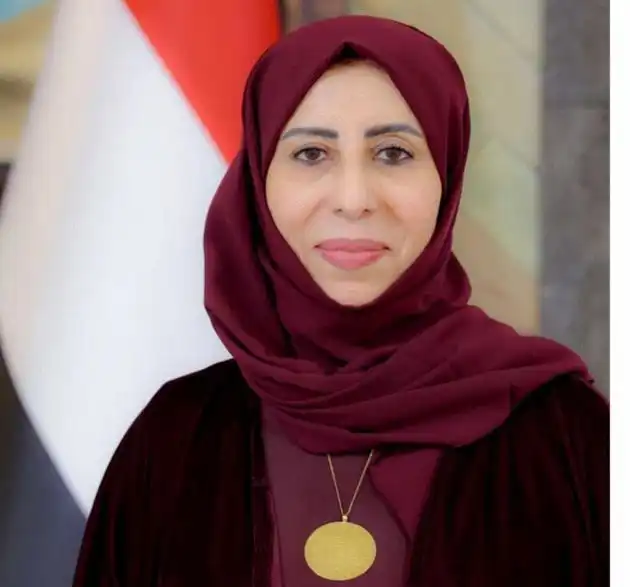
- Yemen's Foreign Minister addressed the UN Security Council regarding Houthi military escalation.
- The Houthi movements threaten international navigation and control of critical maritime passages.
- Dr. Al-Zouba highlighted severe humanitarian consequences from Houthi actions affecting civilians.
- The Yemeni government urged international action to halt Houthi aggressions and ensure compliance with resolutions.
Yemeni Foreign Minister Addresses UN Security Council on Houthi Escalation
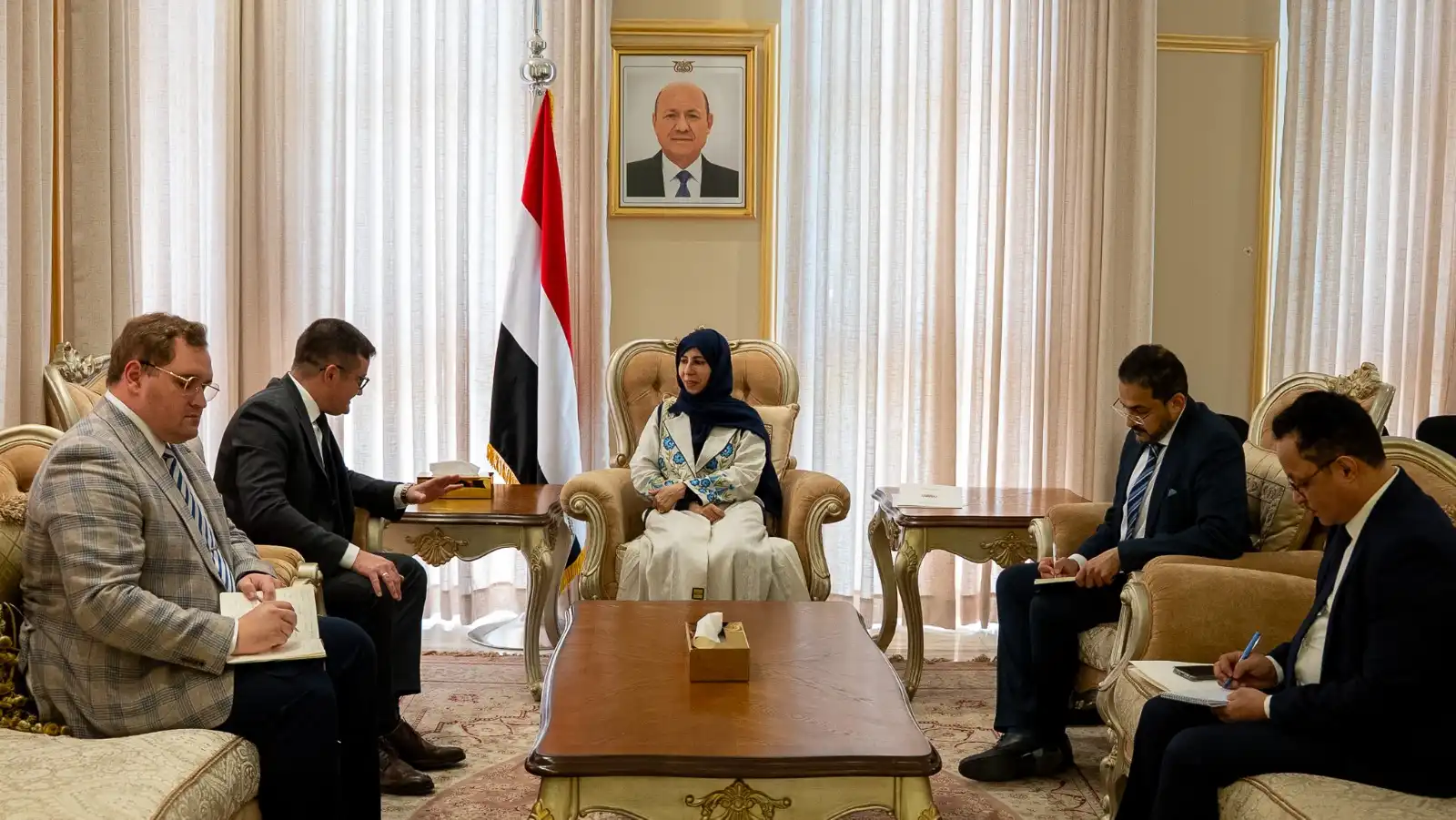
Yemen’s Minister of Foreign Affairs and Expatriates, Dr. Afrah Al-Zouba, sent a message to the President of the UN Security Council, Jerome Bonaventure, and UN Secretary-General Antonio Guterres. The message highlights the military escalation by Houthi militias, supported by the Iranian regime, in the provinces of Taiz and Hodeidah. It also discusses the humanitarian and security implications of these actions, as well as the risks posed to the Red Sea and international shipping routes.
Houthi Movements Represent Broader Strategic Goals
Dr. Al-Zouba emphasized that the Houthi movements in western Taiz and southern Hodeidah, aimed at areas along the western coast near Bab al-Mandab and the Red Sea, should not be viewed as isolated local military actions. Instead, they form part of a broader strategic effort to establish a new military reality. This shift would enhance the Houthis’ capabilities and those of their Iranian backers to threaten international navigation and control one of the world’s most critical maritime passages.
Increased Threats to Maritime Security
The minister pointed out that the danger of these movements escalates given the Houthis’ history of targeting commercial vessels in the Red Sea and the Gulf of Aden. She noted the support and armament the group receives from the Iranian regime, which further complicates the security landscape.
Humanitarian Consequences of Houthi Escalation
Dr. Al-Zouba highlighted the severe humanitarian consequences resulting from the Houthi escalation. The targeting of residential areas, displaced persons camps, and civilian and educational facilities has led to waves of displacement and increasing humanitarian needs. She urged the United Nations, its agencies, donor countries, and humanitarian partners to respond urgently to the needs of affected civilians and displaced families.
Call for International Action
The Yemeni government called on the Security Council to take a clear and firm stance regarding the Houthi escalation and its risks to the security and stability of Yemen, the region, the Red Sea, and Bab al-Mandab. The government condemned the targeting of civilians, displaced persons camps, and civilian infrastructure. It also urged the Council to exert necessary pressure to halt these aggressions and ensure the Houthis respect international humanitarian law.
Ensuring Maritime Security and Compliance with Resolutions
The Yemeni government stressed the importance of addressing the ongoing Houthi threats to international navigation and trade seriously. It called for effective implementation of relevant Security Council resolutions, particularly Resolutions 2140 and 2216. Additionally, the government urged the adoption of measures to stop the flow of weapons, technology, expertise, and funding to the Houthi militias. It also emphasized the need to support the Yemeni government and its institutions in protecting the country’s territory, coasts, ports, and territorial waters, as well as securing international maritime routes.
To follow the news in Arabic