Egypt increases allocations for bread and commodity subsidies to 160 billion EGP.

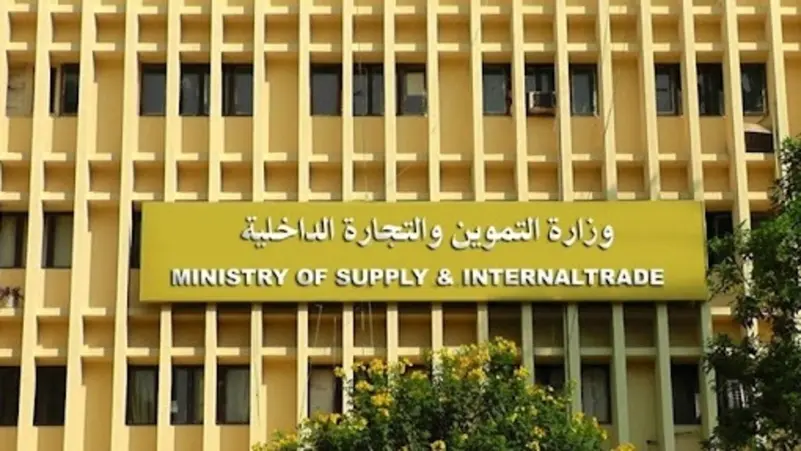
Egypt Increases Bread and Commodity Subsidies to 160 Billion EGP
Official data from Egypt’s Ministry of Supply and Internal Trade reveals a significant increase in the budget for the 2026/2025 fiscal year. The government has allocated approximately 160 billion Egyptian pounds (EGP) for commodity and bread subsidies. This budget includes 124 billion EGP specifically for subsidized baladi bread, benefiting around 68 million citizens. The daily production averages between 250 and 270 million loaves, priced at a fixed rate of 20 piastres each.
Strategies for Securing Commodities and Enhancing Stockpiles
The Ministry of Supply continues to implement policies aimed at securing the local market’s needs for strategic commodities and enhancing reserve stockpiles. The ministry is intensifying regulatory campaigns to combat monopolistic practices. Additionally, it is expanding digital transformation initiatives to facilitate citizens’ access to supply services.
Currently, the ministry provides over 30 essential items through supply cards, benefiting approximately 62 million recipients. This initiative amounts to nearly 36 billion EGP in support, alleviating the financial burdens faced by Egyptian families.
Improving Food Security and Infrastructure Development
In its efforts to bolster food security, the ministry maintains a secure strategic stock of essential goods sufficient for over six months. Local wheat supplies have increased to over 4 million tons during the 2025 season, marking a 17% rise compared to the previous season. The target for the 2026 season is set at 5 million tons.
The storage infrastructure has also seen significant improvements. The number of wheat silos has grown from 32 in 2014 to 89 currently, with a total storage capacity of 4 million tons. Plans are underway to increase this capacity to 6 million tons in the coming years.
Digital Transformation and Distribution Network Expansion
As part of its digital transformation efforts, the number of developed service centers has risen to 412. This expansion has reduced service wait times to between 5 and 10 minutes. The process for issuing supply cards now takes between 7 and 15 days. Furthermore, 116 commercial registration offices have been upgraded and linked to the banking sector to support financial inclusion.
The ministry continues to expand its supply outlets and distribution networks. The “Gamyati” project has surpassed 8,000 outlets, creating over 24,000 job opportunities. Additionally, 44 new consumer complexes have been developed, bringing the total number of upgraded complexes across the country to 369.
Efforts to Regulate Markets and Enhance Social Protection
The ministry has strengthened market regulation through initiatives such as “One-Day Markets” and seasonal fairs like “Welcome Ramadan,” “Welcome Schools,” and “Welcome Eid.” These initiatives have helped provide goods at reasonable prices, reduce trading intermediaries, and ease price pressures.
The ministry is also advancing the project to convert bakeries to natural gas. So far, gas has been connected to 3,394 baladi bakeries in the first phase. Additionally, the ministry is enhancing flour with iron and folic acid to improve the nutritional value of bread.
In terms of social protection, the ministry has implemented presidential directives to distribute exceptional support and supply grants to the most vulnerable groups. This initiative strengthens families’ ability to cope with economic challenges and supports the government’s efforts to achieve economic and social stability.
For more details, visit Yemen TV.
To follow the news in Arabic