Central Bank of Russia Adjusts Currency Rates: Dollar and Yuan Rise, Euro Declines

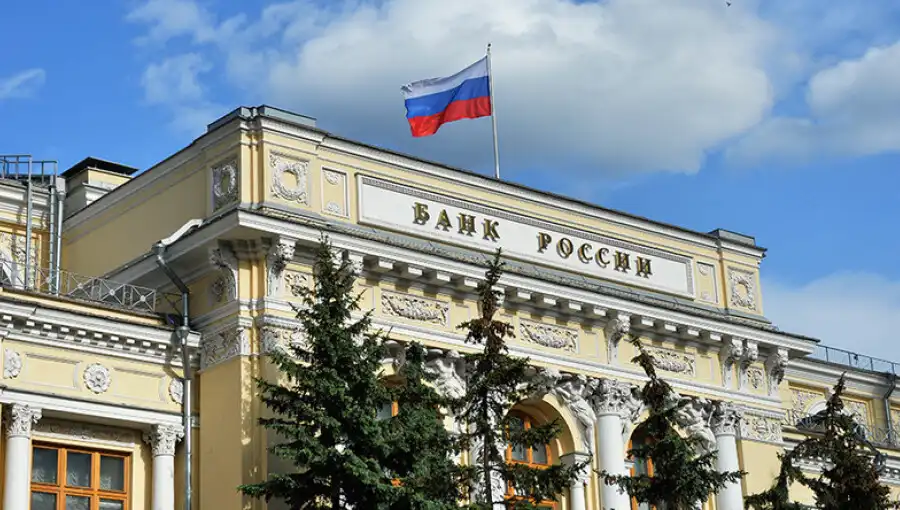
- The Central Bank of Russia raised the US dollar rate by 12.20 kopecks.
- The exchange rate of the Chinese yuan increased by 1.88 kopecks against the ruble.
- The euro rate was lowered by 2.15 kopecks, stabilizing at 83.2975 rubles.
- These adjustments reflect the Central Bank's response to global market fluctuations.
Central Bank of Russia Adjusts Currency Exchange Rates
Today, the Central Bank of Russia revealed important changes to the exchange rates of key currencies against the ruble, prompting varied responses in financial markets and influencing trading activities significantly.
Increase in Dollar and Yuan Rates
The Central Bank has increased the exchange rate of the US dollar by 12.20 kopecks from yesterday’s rate, bringing it to 71.668 rubles. This adjustment takes place amid considerable global market fluctuations that are currently impacting the Russian economy. Additionally, the exchange rate of the Chinese yuan has been raised by 1.88 kopecks, now standing at 10.5505 rubles. This rise underscores the growing significance of economic relations between Russia and China, particularly in the context of current geopolitical conditions.
Decrease in Euro Rate
In contrast, the Central Bank has lowered the official exchange rate of the euro by 2.15 kopecks, stabilizing it at 83.2975 rubles. This decline is indicative of the economic challenges faced by the Eurozone and their consequent effects on the Russian ruble.
These adjustments occur during a period when the Russian currency is under strain due to varying pressures in the exchange market. Thus, it has become increasingly critical for stakeholders to monitor market developments closely. Furthermore, these changes illustrate the Central Bank’s responsiveness to market dynamics and economic realities.
Potential Economic Impacts
The recent fluctuations in currency exchange rates suggest significant implications for the Russian economy, particularly regarding the pricing of goods and services. Ensuring the stability of the ruble is vital for maintaining citizens’ purchasing power.
Moreover, it is crucial to assess how these adjustments will influence foreign investments and trade relations with other nations. Both domestic and international economic factors will be instrumental in shaping the future trajectory of the ruble.
BREADCRUMB_TITLE: Currency Rate Adjustments