Yemen participates in the Gulf Cooperation Council Health Ministers’ Meeting.

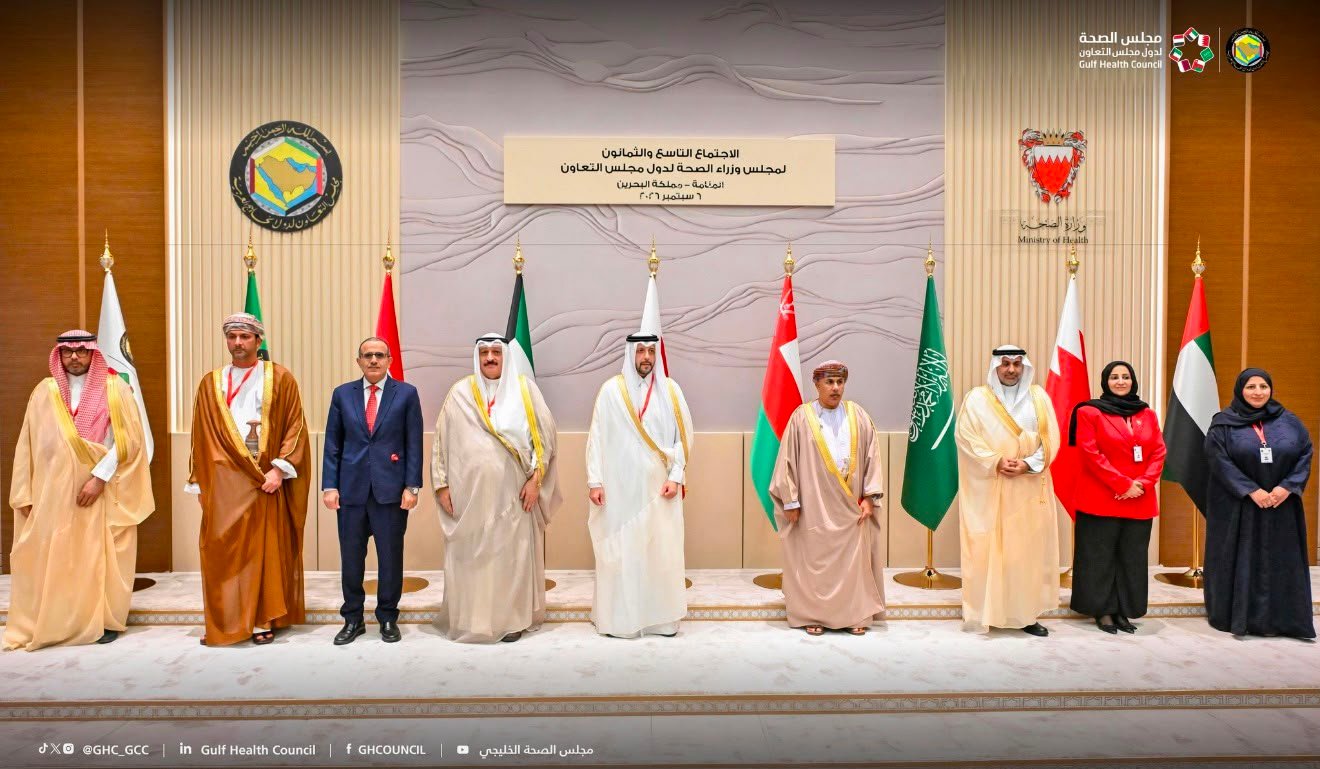
- Yemen participated in the 89th GCC Health Ministers' Meeting in Manama, Bahrain.
- Minister Baheebah addressed health security, disease prevention, and emergency preparedness.
- The meeting adopted a revised Gulf plan for non-communicable disease control for 2026-2030.
- Yemen emphasized the importance of pharmaceutical security and strategic supply chain development.
Yemen Participates in the 89th Meeting of Gulf Cooperation Council Health Ministers
The Republic of Yemen actively participated today in the 89th meeting of the Health Ministers of the Gulf Cooperation Council (GCC) and Yemen, held in the Bahraini capital, Manama. This meeting focused on several critical health issues affecting the region.
Key Discussions on Health Security and Disease Prevention
During the meeting, Yemen’s Minister of Public Health and Population, Dr. Qasem Baheebah, addressed various topics related to enhancing health security. The agenda included discussions on non-communicable disease prevention, medication regulation, and improving health systems’ readiness for emergencies. The ministers also reviewed updated recommendations for tobacco control and adopted the revised Gulf plan for the prevention and control of non-communicable diseases for 2026-2030, along with its monitoring framework.
Additionally, the meeting covered decisions regarding drug registration and pricing among member states, as well as strategies to support supply chains to ensure health readiness for public health emergencies.
Importance of Regional Cooperation
In his speech, Minister Baheebah emphasized the significance of Yemen’s participation in the GCC Health Ministers’ meetings. He described these gatherings as vital platforms for enhancing health coordination and integration among member states. Furthermore, he highlighted the opportunity to leverage regional expertise and shared mechanisms to strengthen Yemen’s health system, particularly in priority areas.
Baheebah pointed out that the increasing health challenges in the region underscore the need for more collaborative health efforts. He specifically mentioned the importance of joint work in health security, emergency preparedness, epidemic response, pharmaceutical security, and the development of health workforce capabilities.
Enhancing Yemen’s Health Emergency Preparedness
The Minister stressed the necessity of Yemen benefiting from Gulf experiences in public health emergency preparedness. He called for building strategic health stockpiles and supply chains to support the Ministry of Health’s efforts in developing an effective health emergency system. This system aims to enhance the readiness of health institutions and facilities to respond to epidemics, disasters, and various emergencies.
Prioritizing Pharmaceutical Security and Supply Chains
Dr. Baheebah reiterated that pharmaceutical security and the sustainability of supply chains are crucial priorities for Yemen’s health sector. He emphasized the importance of exchanging experiences with GCC countries in drug registration, pricing, and regulation. Additionally, he highlighted the need to develop strategic supply and storage mechanisms to improve the availability and quality of medicines and medical supplies.
Addressing Non-Communicable Diseases
The Minister also discussed the updated Gulf plan for the prevention and control of non-communicable diseases for 2026-2030. He noted that this plan offers an opportunity for member states to share experiences in tackling the growing burden of diseases such as heart disease, diabetes, cancer, and chronic respiratory diseases, along with their associated risk factors. Strengthening prevention programs, early detection, and primary healthcare services remains a priority.
Conclusion: Commitment to Health Improvement
The meeting concluded with a commitment to continue coordinating the implementation of adopted decisions and recommendations. This collaboration aims to enhance prevention efforts, improve health system efficiency, and contribute to the overall health and well-being of communities across the region.
For more information, visit Yemen TV.
To follow the news in Arabic