U.S. Imposes Sanctions on Iran’s Gulf Strait Authority, Heightening Regional Tensions

- The U.S. imposes sanctions on Iran's Gulf Strait Authority managing the Strait of Hormuz.
- Sanctions target Iran's tolls on maritime passage amid concerns over global trade control.
- U.S. Treasury warns supporters of the Iranian authority could face potential sanctions.
- Iran insists on managing strait traffic, denying the imposition of tolls for passage.
U.S. Sanctions Target Iran’s Gulf Strait Authority
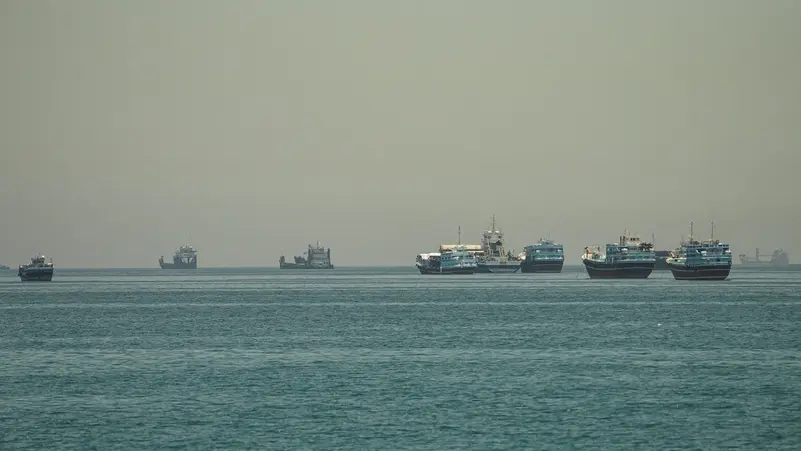
The U.S. Department of the Treasury has imposed sanctions on the newly established “Gulf Strait Authority,” which Iran created to oversee the Strait of Hormuz and collect tolls from commercial vessels. This initiative signifies Tehran’s intent to exert control over a crucial maritime route, thereby underscoring its strategy to dominate global maritime trade.
Statements from U.S. Treasury Officials
U.S. Treasury Secretary Scott Piesen emphasized that Iran’s attempt to levy tolls on vessels passing through the Strait of Hormuz illustrates the regime’s pressing need for liquidity. He cautioned that any entity engaging in financial transactions with this authority may be deemed a supporter of the Iranian Revolutionary Guard Corps, potentially subjecting them to further sanctions. Piesen noted that the Treasury has effectively denied Iran access to tens of billions of dollars in revenue, which could have otherwise been allocated to weapons development, nuclear initiatives, and support for armed proxies.
Reactions and Regional Implications
The U.S. Treasury also pointed out that the Iranian authority has released a map delineating its “regulatory jurisdiction” over both sides of the Strait of Hormuz. This map indicates areas where Iranian approval is required for maritime passage, eliciting concerns from the international community. This development unfolds during a ceasefire between U.S. and Iranian forces, which has been in place since April 8, as mediators pursue a resolution to ongoing tensions.
In response to the sanctions, Iranian Foreign Ministry spokesperson Ismail Baqaei asserted that Tehran will persist in managing maritime traffic in the strait. He contended that Iran does not impose tolls for passage, but rather charges “fees for navigational services,” in an effort to rationalize its actions amidst rising regional tensions.
The conflict in the region escalated on February 28, when the United States and Israel launched military strikes against Iran. In retaliation, Tehran executed missile and drone strikes targeting several nations in the vicinity, further exacerbating the already volatile situation in one of the world’s most vital maritime corridors.
Conclusion
As the U.S. continues to impose sanctions on Iran, the implications for Gulf navigation and international maritime trade remain significant. Observers will be watching closely to see how these developments impact regional stability and the broader geopolitical landscape.