The Minister of State discusses with the World Health Organization the urgent health response for displaced persons.

- Walid Al-Abara meets with WHO to discuss health response for displaced persons in Aden.
- The minister praises WHO's efforts in enhancing humanitarian interventions for the displaced.
- Al-Abara highlights urgent medical needs and immediate interventions required for displaced individuals.
- WHO commits to improving health responses and focusing on vaccinations and nutrition for vulnerable groups.
Minister Discusses Health Response for Displaced Persons with WHO
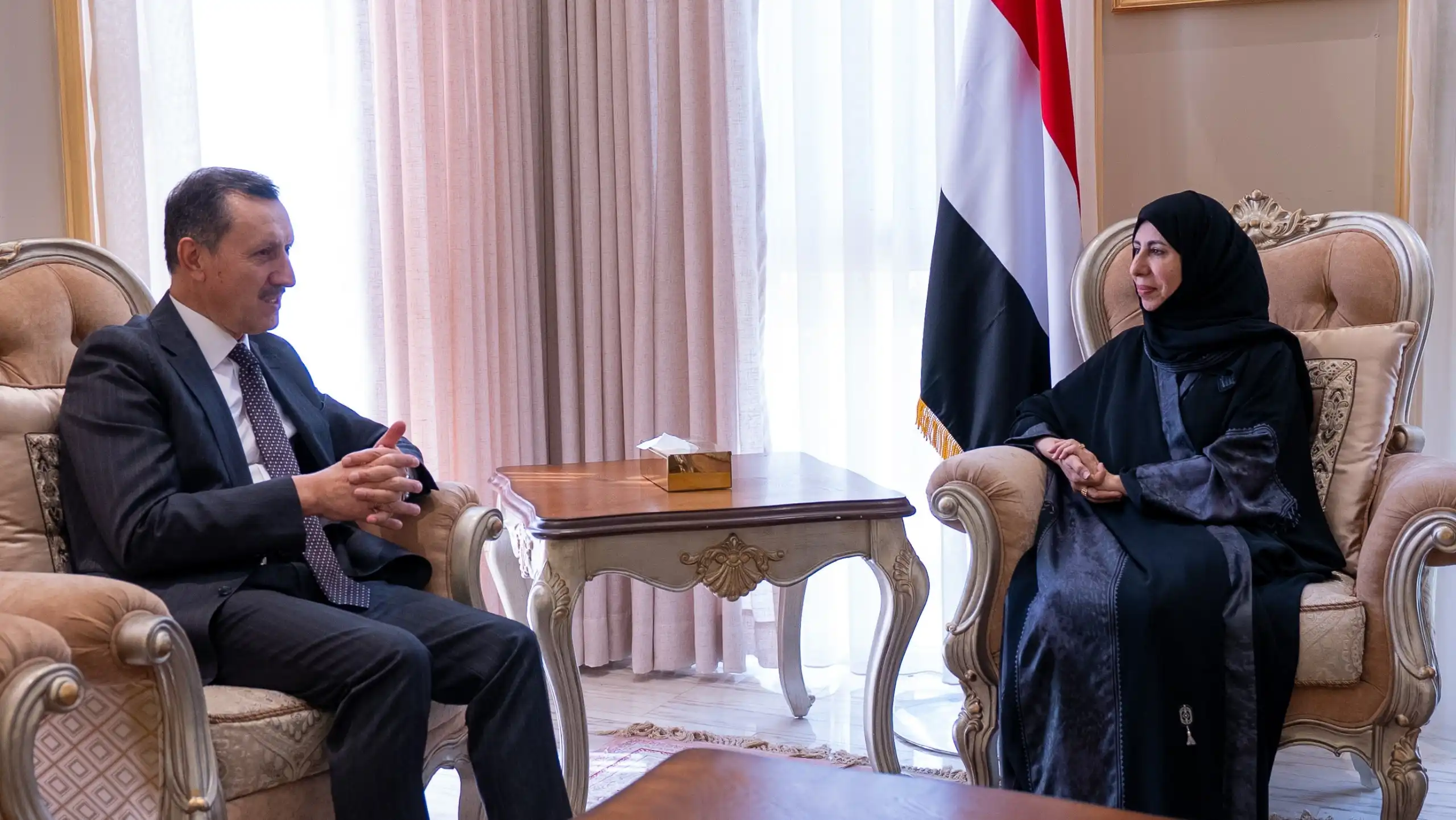
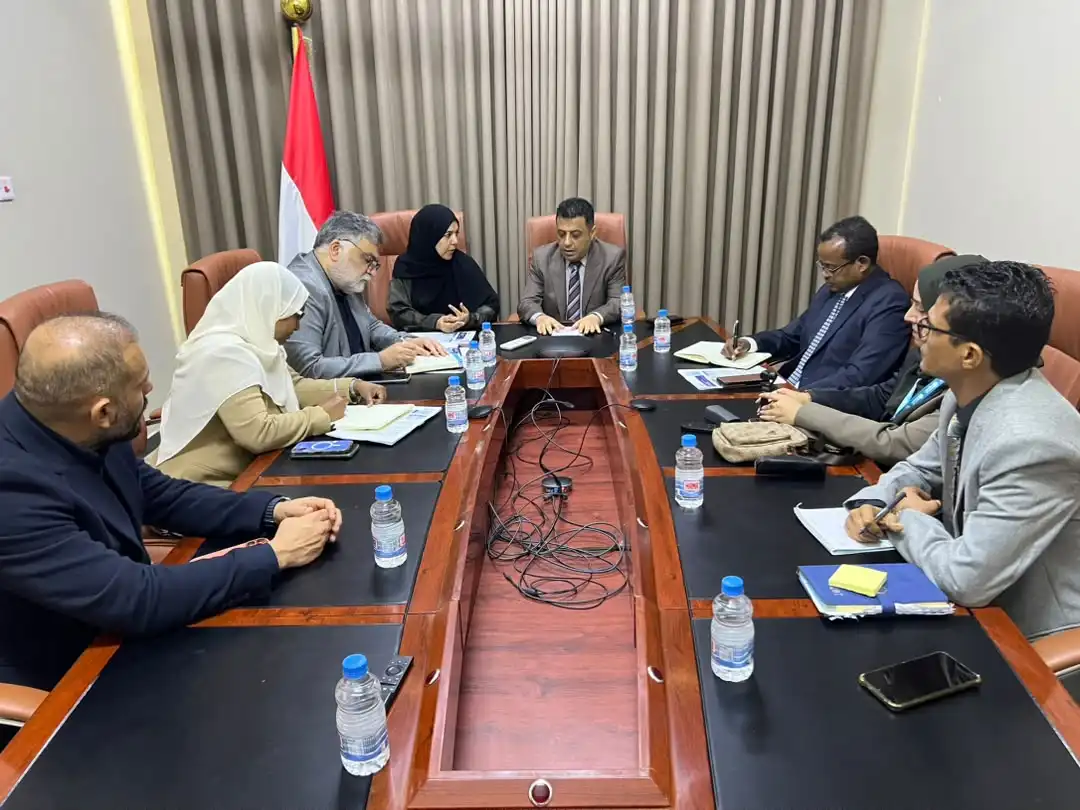
On Wednesday, Walid Al-Abara, the Minister of State for Displacement and Irregular Migration, met with Dr. Syed Jafar, the World Health Organization (WHO) representative in Yemen, in the temporary capital of Aden. They focused on enhancing the emergency humanitarian and health response for displaced individuals.
Acknowledging WHO Efforts
During the meeting, which included Dr. Noha Mahmoud, the Deputy WHO Representative, and several officials from the organization, Minister Al-Abara praised the efforts and contributions of WHO in the emergency response for the displaced. He emphasized the necessity of strengthening humanitarian interventions in displacement areas, especially given the increasing needs arising from emergency displacements.
Urgent Needs for Displaced Persons
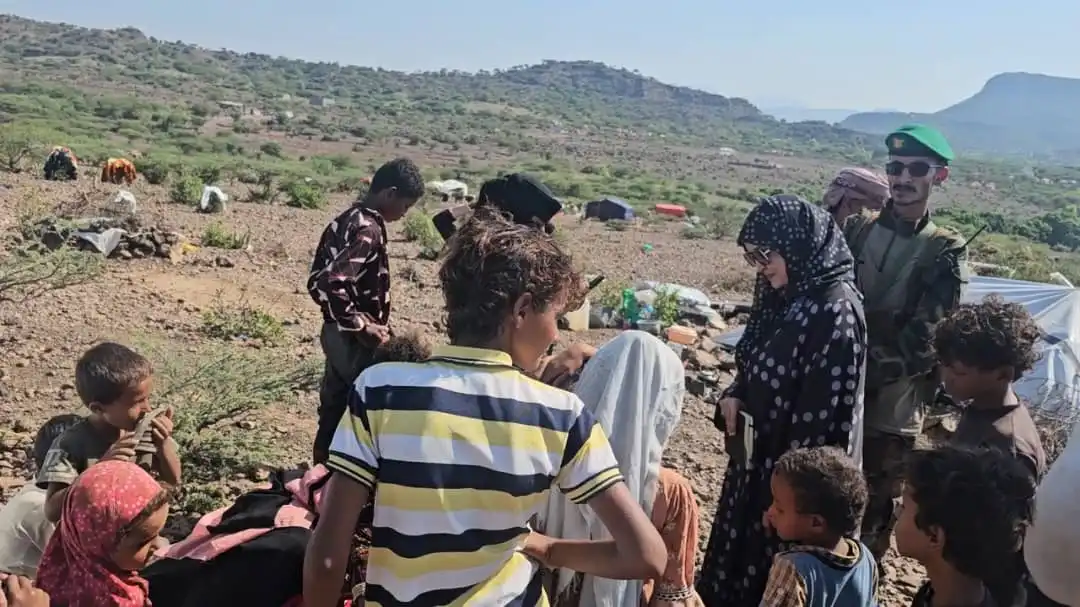
Al-Abara pointed out that reception sites for displaced persons require immediate interventions from international and humanitarian organizations. He highlighted the urgent medical needs of individuals suffering from various health conditions, as well as the requirements for vaccinations, nutrition for children, and healthcare for women and other vulnerable groups.
Addressing Gaps in Health Response
The minister noted a significant gap in the speed of response to the health needs of displaced persons. This gap stems from the ongoing and escalating displacement caused by the continuous attacks from the Houthi militia on villages and districts in Taiz and several areas in Lahij. He mentioned recent incidents, such as the targeting of the city of Al-Turbah, which suffered five ballistic missile strikes.
Importance of Data Sharing
Al-Abara stressed the importance of enhancing the exchange of statistics and data between government entities and humanitarian organizations. This collaboration would improve coordination and response efforts, directing health and humanitarian interventions according to the most urgent needs of the displaced population. It would also strengthen joint efforts to address the ongoing displacement crisis.
WHO’s Commitment to Health Response
In response, Dr. Syed Jafar reaffirmed WHO’s commitment to enhancing health responses for emergency displacements. He explained that the organization is working to identify and assess the locations of displacement camps. This initiative aims to direct its teams and response mechanisms to targeted areas, particularly in the governorates of Aden, Taiz, Lahij, and Abyan, ensuring timely access to necessary health services.
Focus on Vaccinations and Nutrition
Dr. Jafar confirmed WHO’s focus on providing vaccinations for polio and other immunizations. Additionally, the organization aims to support efforts to address malnutrition among children and pregnant women.
To follow the news in Arabic