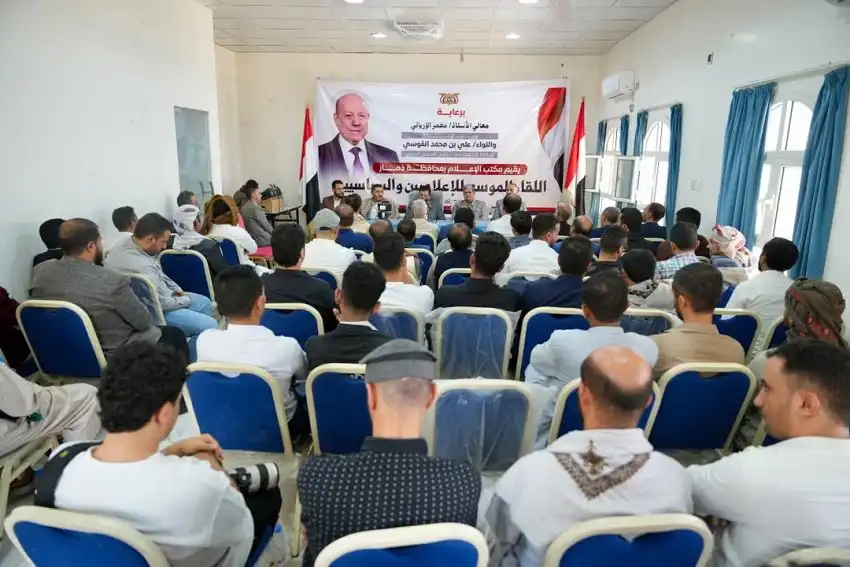
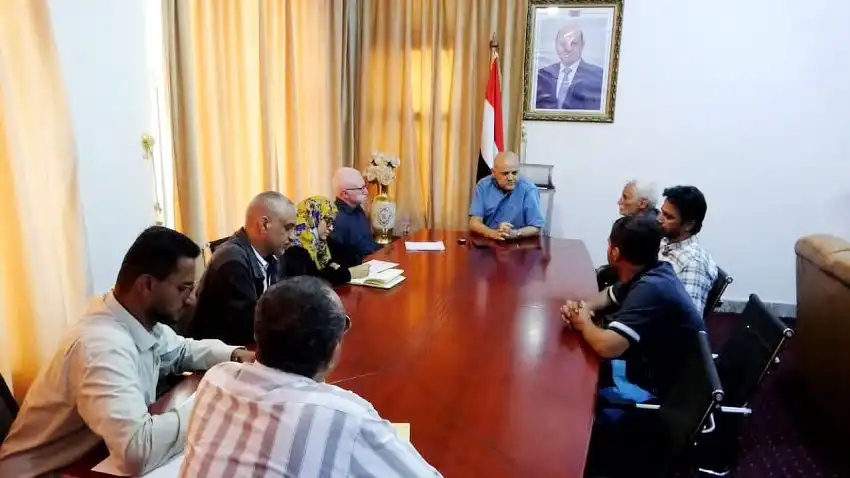
The Lahij Governor discusses the establishment of 50 housing units for families of martyrs, orphans, and people with disabilities.

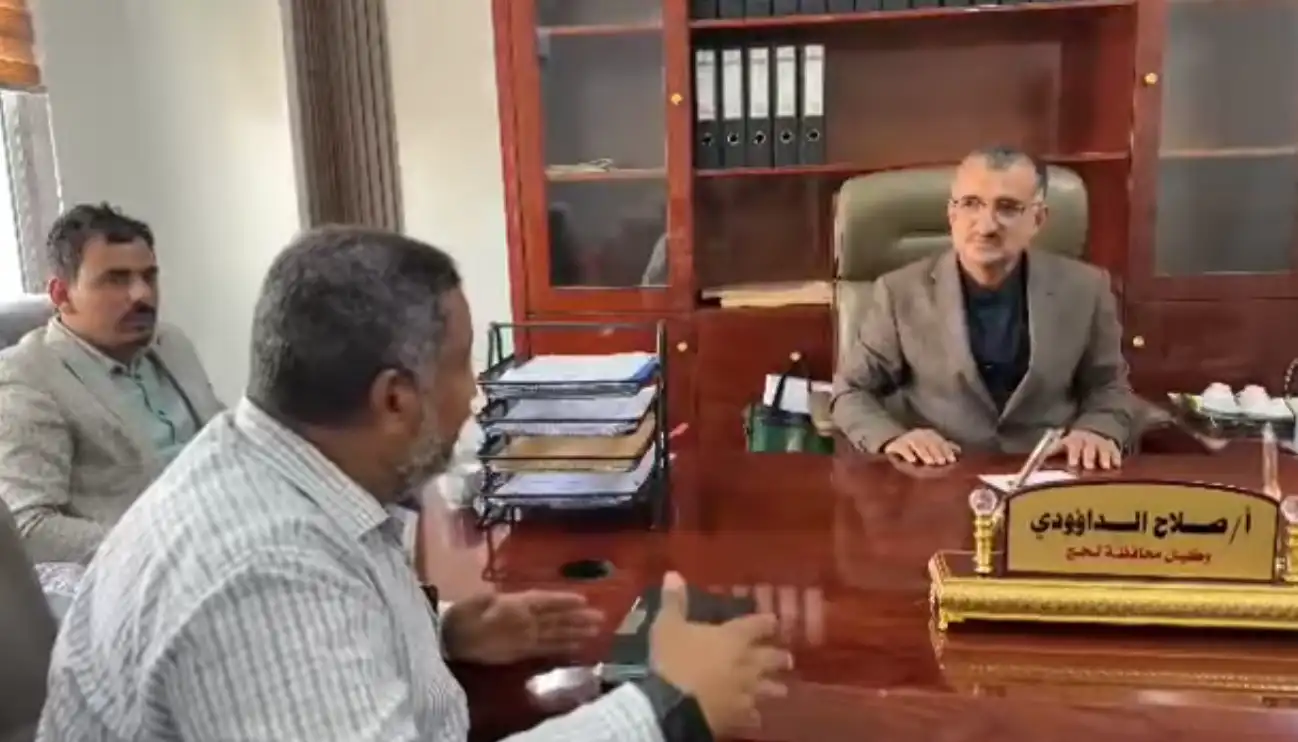
- The Deputy Governor of Lahij discussed a housing project for vulnerable families.
- Fifty housing units will be constructed for families of martyrs, orphans, and disabled individuals.
- The project aims to improve living conditions for the most needy segments of the population.
- Coordination with local authorities and humanitarian organizations is essential for project success.
Discussions on Housing Project for Vulnerable Families in Lahij
The Deputy Governor of Lahij, Salah Al-Dawoodi, met today with Dr. Abu Bakr Al-Saqaf, a representative of the “Basamat” Development Foundation, to discuss opportunities for implementing a housing project aimed at the most vulnerable groups in the governorate’s districts.
Overview of the Proposed Housing Units
During the meeting, which also included Omar Al-Samati, the Director of the Executive Unit for Refugee Camps in Lahij, the participants reviewed the possibility of constructing 50 housing units for the families of martyrs, orphans, and individuals with disabilities. This humanitarian project will cover several districts in the governorate to address the housing needs of the targeted beneficiaries.
Prioritizing the Most Needy Groups
Al-Dawoodi emphasized the importance of directing development initiatives toward the most needy segments of the population, particularly families of martyrs, orphans, and individuals with disabilities. He stated that these efforts would significantly improve their living conditions and provide them with suitable housing.
Addressing Housing Needs Across Districts
Al-Dawoodi pointed out that the distribution of the project across the governorate’s districts should consider existing needs and ensure access to the poorest and most vulnerable families. He stressed the need to prioritize cases lacking adequate shelter.
Importance of Accurate Data
He highlighted the necessity of relying on accurate data to identify deserving families and their housing needs. This approach will aid in determining proposed locations, intervention priorities, and achieving fairness in the distribution of benefits among various districts.
Coordination with Local Authorities and Humanitarian Organizations
The Deputy Governor underscored the importance of coordination between local authorities, the foundation, and relevant humanitarian organizations. This collaboration will leverage available field information regarding the conditions of the most vulnerable families, facilitating the identification of beneficiaries and the implementation of the project based on clear criteria.
Next Steps for Project Implementation
For his part, the representative of the “Basamat” Development Foundation reviewed the opportunities to proceed with the project, considering the needs and priorities discussed during the meeting.
To follow the news in Arabic