The Health Minister calls for unified health planning and enhanced integration between the ministry and provinces to implement the national strategy.

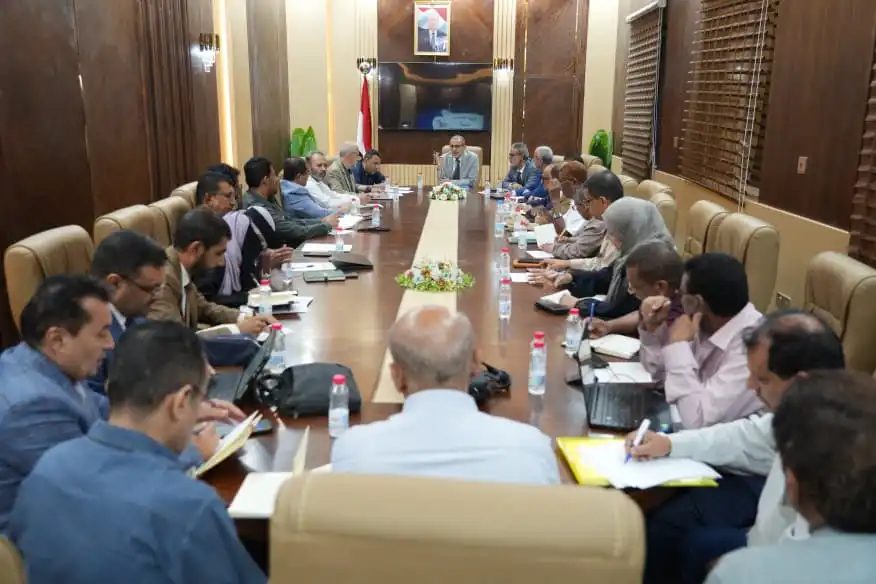
- Dr. Qassem Baheeb calls for unified health planning in Yemen during a meeting in Aden.
- The Minister emphasizes the need for integrated health planning at local and provincial levels.
- A comprehensive health planning system will align ministry sectors with provincial health offices.
- Improved coordination with provincial health offices aims to optimize resources and avoid duplication.
Minister of Health Advocates for Unified Health Planning in Yemen
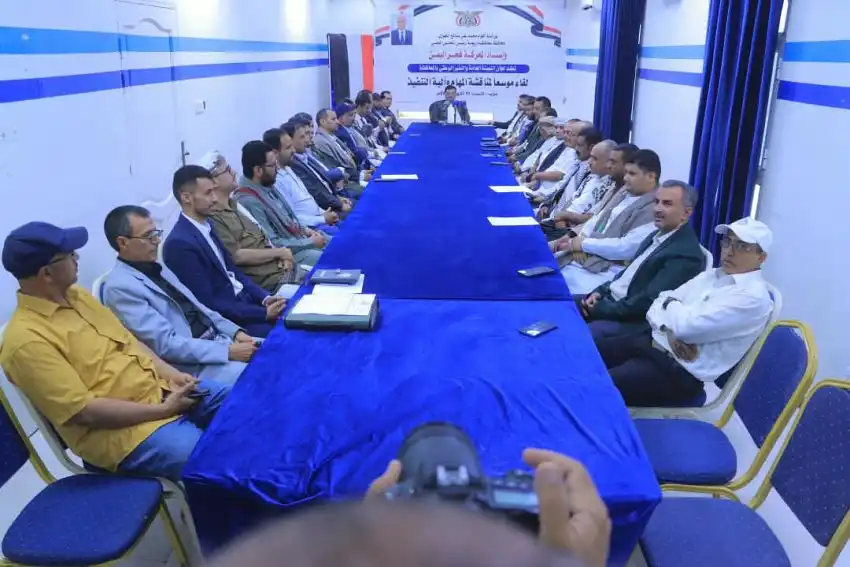
In a significant meeting held today in Aden, Dr. Qassem Baheeb, Yemen’s Minister of Public Health and Population, gathered with key officials from the ministry. The meeting included sector deputies, general directors of health programs, and health office directors from various provinces. The primary focus was to discuss the ministry’s future direction and the implementation of the National Health Strategy.
Emphasizing Integrated Health Planning
Dr. Baheeb stressed the need for a more integrated approach to health planning, execution, monitoring, and evaluation. He highlighted that this approach would ensure the translation of the National Health Strategy’s goals into actionable programs and plans at both the ministry and provincial levels. This strategy aims to respond more effectively to the actual health needs of citizens.
Local to Central Planning
The Minister underscored the importance of initiating planning processes at the local level, which should reflect the real needs and priorities of health facilities and populations. By doing so, the plans developed at the district and provincial levels will inform the ministry’s overall strategy. This method enhances the realism of planning and directs resources toward the most urgent health priorities.
Developing a Comprehensive Health Planning System
Dr. Baheeb outlined the ministry’s commitment to developing a comprehensive health planning system. This system will align the plans of various ministry sectors with provincial health offices, moving away from isolated approaches. The goal is to work under a unified national vision, shared objectives, clear responsibilities, and measurable indicators.
Enhancing Coordination with Health Offices
The Minister emphasized the need for improved coordination between the ministry and provincial health offices regarding projects and programs supported by international organizations and health sector partners. This coordination will ensure that interventions align with sector priorities and the ministry’s plans, avoiding duplication and fragmentation. It will also optimize the use of resources and external support, directing them toward the actual needs of health facilities and communities.
Transitioning to Integrated Planning
Dr. Baheeb noted the ministry’s shift from fragmented planning to integrated planning. This transition focuses on measuring results and impacts rather than merely executing activities. Clear responsibilities will be established across different levels of the health system, and a continuous monitoring and evaluation system will be activated to ensure effective implementation of plans and achievement of targets.
Strengthening Institutional Documentation Culture
The Minister reiterated the importance of fostering a culture of institutional documentation for activities, programs, and results. Accurate data and information serve as the foundation for performance evaluation, identifying strengths and weaknesses, making evidence-based decisions, and improving resource allocation efficiency. Additionally, the ministry will organize training programs to build capacity based on actual needs, documenting their outcomes and measuring their impact on institutional performance.
Key Discussion Points
The meeting addressed several key topics, including the role of the technical office, coordination mechanisms among various sectors, integration of central and local plans, training priorities, and documentation methods. The discussions also covered the planning of health services, pricing mechanisms, and the ministry’s plans for hospitals and health services.
Improving Oversight and Quality of Care
Participants discussed enhancing oversight and monitoring of healthcare facilities and pharmacies to organize services and the pharmaceutical market, ultimately protecting public health. The meeting also explored the therapeutic sector’s strategies and how to achieve integration between the ministry and provincial health offices in managing and developing therapeutic services, ensuring their quality and sustainability.
Future Vision for Health Information Systems
The attendees reviewed the ministry’s vision for developing health information systems in the upcoming phase. They aimed to strengthen the capabilities of ministry sectors and provincial health offices in data collection, analysis, documentation, and utilization for evidence-based health planning and decision-making.
Population Sector Priorities
The meeting also touched on the population sector’s vision and its priorities for the upcoming phase. It emphasized enhancing coordination between the central and provincial levels to ensure that population and health programs align with national priorities and the health strategy.
Conclusion and Recommendations
The meeting concluded with several recommendations aimed at unifying health planning pathways, enhancing integration between ministry sectors and provincial health offices, improving coordination in program and project implementation, and developing information and documentation systems. These efforts will support the execution of the National Health Strategy, enhance resource utilization efficiency, and improve the quality and sustainability of health services provided to citizens.
To follow the news in Arabic