The Gulf Cooperation Council and the European Union condemn Iranian attacks.

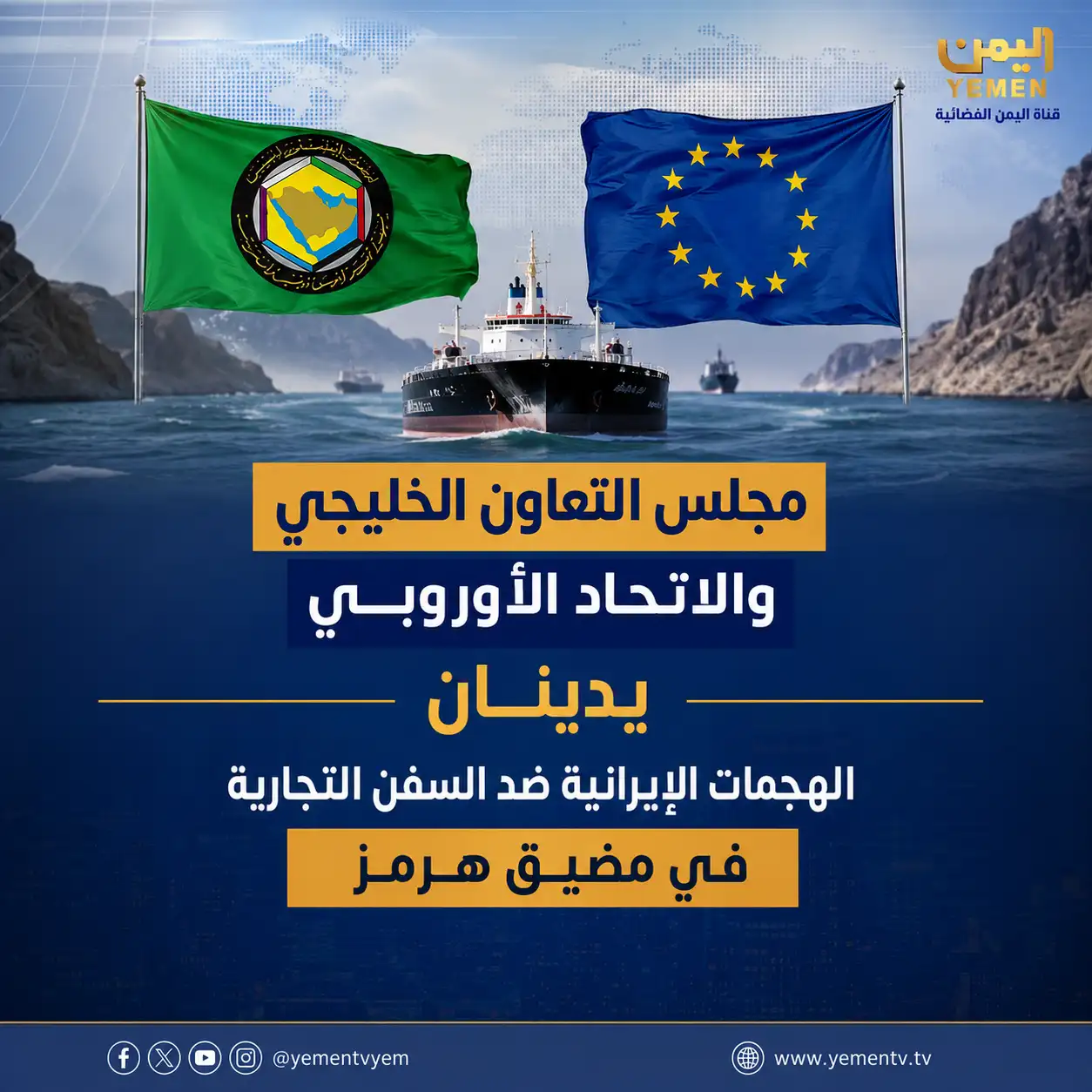
GCC and EU Condemn Iranian Attacks on Commercial Vessels
The Gulf Cooperation Council (GCC) and the European Union (EU) have strongly condemned Iran’s recent attacks on commercial vessels transiting through the Strait of Hormuz. These assaults have impacted several nations, including Bahrain, Kuwait, the United Arab Emirates, Qatar, Oman, and Jordan. Both parties emphasized that such actions are unjustifiable, pose a threat to civilian lives and sailors, and represent a blatant violation of international law and UN Security Council Resolution 2817.
Joint Statement Following Security Forum
This condemnation emerged in a joint statement released after a high-level regional security and cooperation forum held in Brussels. The forum was co-chaired by EU High Representative for Foreign Affairs, Kaia Kalas, and Bahrain’s Foreign Minister, Dr. Abdullatif Al-Zayani, who serves as the chair of the GCC Ministerial Council.
Freedom of Navigation and Rights of States
Both the GCC and EU reaffirmed that freedom of navigation and the right to passage through the Strait of Hormuz, recognized as an international strait, are guaranteed to all nations under international law and the United Nations Convention on the Law of the Sea. They stressed that no country has the right to suspend, obstruct, or impose conditions on this right.
The statement called on Iran to immediately and unconditionally cease all attacks and forms of interference in maritime navigation. It also underscored the necessity of keeping the strait open sustainably, without conditions, tolls, or services, while fully adhering to international law and UN Security Council Resolution 2817.
Rejection of Unlawful Claims
The GCC and EU jointly rejected any unlawful claims of sovereignty or control over the Strait of Hormuz. They asserted that any arrangements or systems for permits or tolls imposed on international navigation are unacceptable. The statement warned that the right of passage through the strait should not be restricted or subjected to the permission of any state.
Solidarity with Affected Nations
The statement expressed full solidarity with the affected nations and with sailors of various nationalities who have faced danger. It highlighted that any attack on the security of one nation is a shared concern for all parties relying on the safety of this vital corridor. The statement called for intensified efforts within international institutions responsible for maritime governance, particularly the International Maritime Organization.
Commitment to Ongoing Coordination
Both parties concluded by emphasizing the importance of continued close coordination to safeguard freedom of navigation and protect international shipping and sailors. They also called for the promotion of just and lasting peace and security in the region, stressing the importance of restraint and adherence to dialogue and diplomacy as a means to resolve the crisis and ensure freedom of navigation in the Strait of Hormuz.
For more details, visit the original article on Yemen TV.
To follow the news in Arabic