The Governor of Taiz emphasizes the importance of transparency in distributing humanitarian aid and enhancing community oversight.

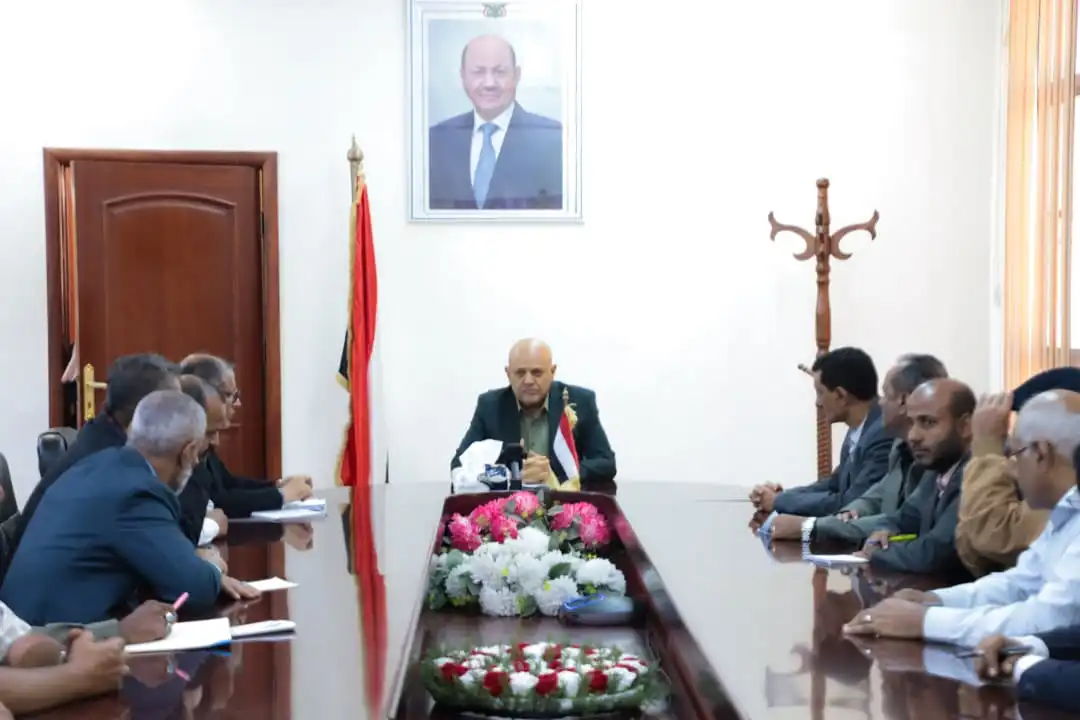
- Governor Emphasizes Transparency in Humanitarian Aid Distribution Governor Nabil Shamsan of Taiz Province stressed the importance of enhancing transparency and community oversight in the coordination and distribution of humanitarian aid.
- Addressing the Humanitarian Crisis Shamsan explained that this gap arises amid the rapidly deteriorating humanitarian conditions caused by war and blockade, alongside rising poverty and need.
- Establishing Transparency and Accountability Shamsan emphasized the need to establish a system for transparency and accountability in coordination with district directors and community oversight committees.
- Warning Against Exploitation of Humanitarian Needs Governor Shamsan warned against exploiting humanitarian needs to incite chaos and community disruption.
Governor Emphasizes Transparency in Humanitarian Aid Distribution
Governor Nabil Shamsan of Taiz Province stressed the importance of enhancing transparency and community oversight in the coordination and distribution of humanitarian aid. He aimed to ensure that assistance reaches the most vulnerable families based on clear and fair criteria.
Coordination and Accountability in Humanitarian Efforts
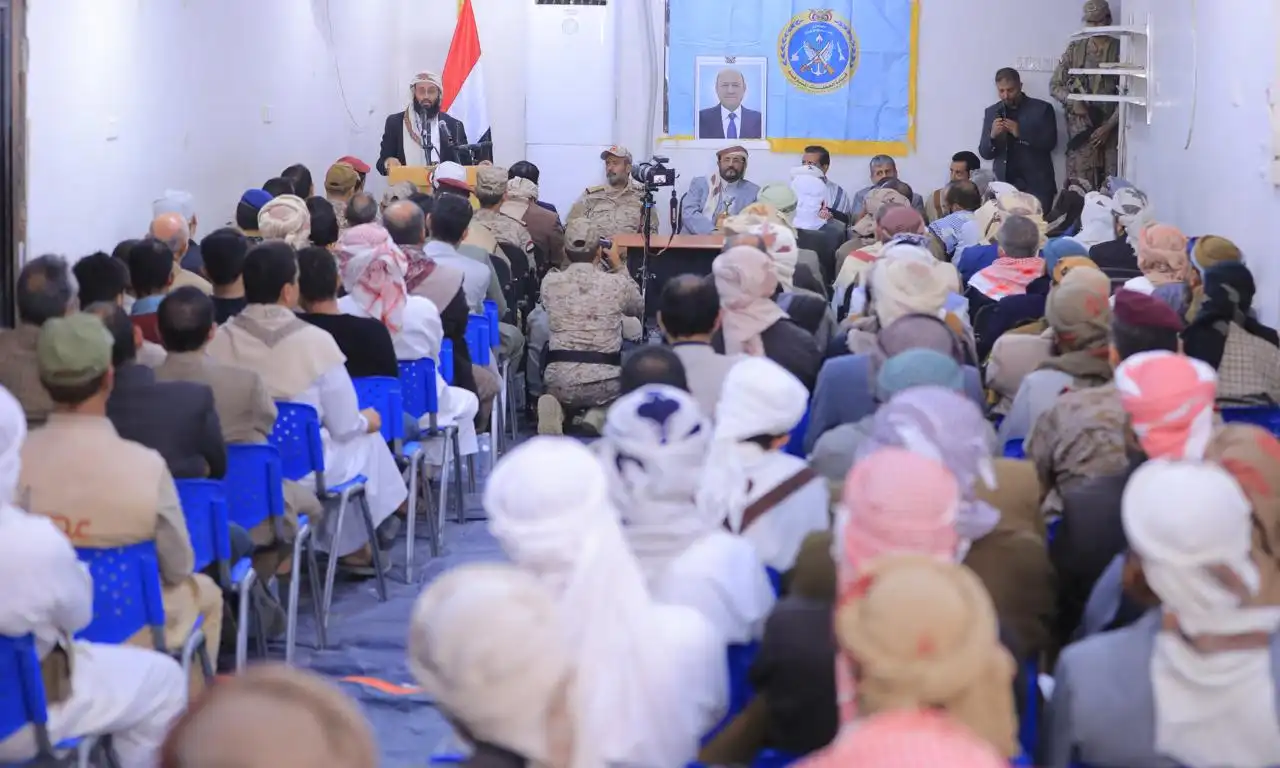
During a meeting of the Humanitarian and Relief Interventions Coordination Committee, which includes international and local organizations, Governor Shamsan highlighted the need to unify efforts and strengthen coordination, oversight, and accountability mechanisms. These measures will ensure an efficient humanitarian response and prevent duplication and misconduct.
Humanitarian Needs in Taiz
The governor reviewed the scale of humanitarian needs in the districts of Taiz City, Sabir Al-Mawadim, and Mashra’a Wadnan. He noted that approximately 238,095 families, including displaced families, require assistance. In contrast, only about 40,000 families benefited from aid during October and November, illustrating a significant gap between actual needs and the scale of humanitarian interventions.
Addressing the Humanitarian Crisis
Shamsan explained that this gap arises amid the rapidly deteriorating humanitarian conditions caused by war and blockade, alongside rising poverty and need. He mentioned that the local authority has sent a letter to the Prime Minister, urging communication with donors and UN agencies to review targeting criteria. This review aims to align with current needs and address all families residing in Taiz City and Sabir districts as affected and needy families.
Institutional Steps for Aid Organization
The local authority has taken institutional steps to organize the aid process. They formed a supervisory committee that includes relevant authorities, private sector representatives, and members from the United Nations Office for the Coordination of Humanitarian Affairs (OCHA). This committee will coordinate interventions, unify efforts, and enhance oversight of their implementation.
Establishing Transparency and Accountability
Shamsan emphasized the need to establish a system for transparency and accountability in coordination with district directors and community oversight committees. He called for clear and accessible mechanisms to receive, verify, and follow up on citizen complaints. Additionally, he advocated for objective and publicly announced criteria to determine beneficiaries, considering the levels of need and living conditions of families.
Comprehensive Field Survey
The governor pointed out the implementation of a comprehensive field survey of families across various districts, involving local authority representatives. This survey aims to create an accurate and updated database, which will be verified in coordination with the Statistics Office. This database will serve as a reference for directing humanitarian interventions based on district recommendations, with implementing organizations responsible for verifying beneficiary lists according to the nature of their interventions.
Warning Against Exploitation of Humanitarian Needs
Governor Shamsan warned against exploiting humanitarian needs to incite chaos and community disruption. He urged responsible handling of observations and complaints, encouraging submission through appropriate channels and specialized teams. This approach will safeguard citizens’ rights and enhance trust, transparency, and community cohesion.
Discussion on Humanitarian Intervention Mechanisms
The meeting discussed mechanisms for organizing humanitarian and relief interventions and enhancing aid delivery to the most needy families. It also approved the assignment of district directors to form executive coordination committees at the district level, along with subcommittees at the neighborhood and locality levels. The selection of individuals for these committees should prioritize integrity, competence, responsibility, and volunteerism, avoiding favoritism and ensuring effective community representation.
Continuous Coordination for Humanitarian Efforts
Participants underscored the importance of collaborative efforts and ongoing coordination with relevant entities to address the challenges and obstacles facing humanitarian and relief work.
To follow the news in Arabic