Researchers develop an injectable sensor for monitoring sugar levels under the skin.

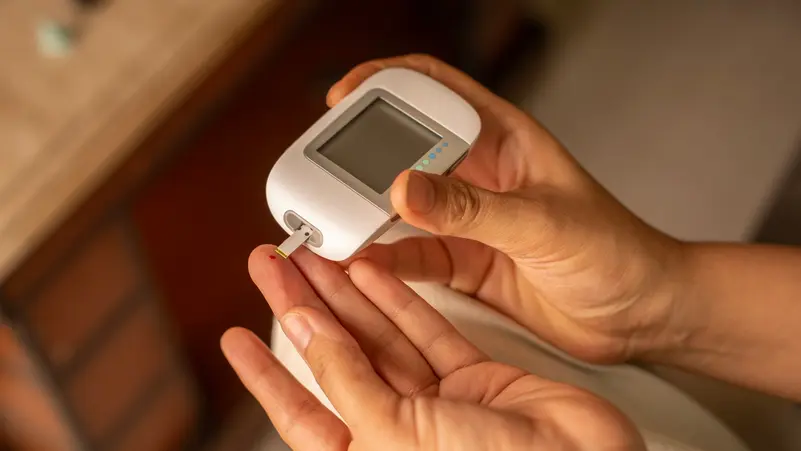
- Researchers Develop Injectable Sensor for Glucose Monitoring Researchers at Texas A&M University have developed an innovative, small-sized sensor that can be injected under the skin to monitor glucose levels.
- This method eliminates the need for implanted electronic components, allowing readings to be taken via an external device.
- Laboratory Tests Show Promising Results Laboratory tests demonstrated the sensor's ability to track glucose levels within a range of 25 to 400 milligrams per deciliter.
- This approach allows for the use of materials that are approximately ten times cheaper than some current technologies while maintaining a similar level of performance.
Researchers Develop Injectable Sensor for Glucose Monitoring
Researchers at Texas A&M University have developed an innovative, small-sized sensor that can be injected under the skin to monitor glucose levels. This advancement may provide a less expensive and less intrusive alternative to continuous glucose monitoring devices.
New Technology Utilizes Near-Infrared Light
The new sensor relies on a technology that uses near-infrared light to measure glucose levels. This method eliminates the need for implanted electronic components, allowing readings to be taken via an external device.
Protein-Based Measurement Approach
The researchers explained that the new technique does not depend on enzymes commonly used in traditional devices. Instead, it employs a protein that binds to sugar molecules and a special dye that reacts to changes in glucose levels within the body.
Laboratory Tests Show Promising Results
Laboratory tests demonstrated the sensor’s ability to track glucose levels within a range of 25 to 400 milligrams per deciliter. This range encompasses low, normal, and high glucose levels.
Cost-Effective Design
The research team noted that the sensor was designed using low-cost components. This approach allows for the use of materials that are approximately ten times cheaper than some current technologies while maintaining a similar level of performance.
Further Research Needed for Clinical Use
The researchers confirmed that the technology remains in the laboratory testing phase. Additional studies and clinical trials are necessary to establish its efficacy and reliability before it can be introduced for medical use.
A Promising Future for Diabetes Management
The researchers believe this innovation could represent a promising option for millions of people with diabetes worldwide. It offers a more comfortable and cost-effective method for monitoring blood sugar levels.
To follow the news in Arabic