National Workshop in Aden Aims to Strengthen Anti-Corruption Measures

- Aden hosted a national workshop focused on anti-corruption strategies and recovery efforts.
- The workshop aims to develop a strategic framework to enhance state institutions' efficiency.
- Dr. Al-Zandani emphasized the need for coordinated efforts to combat corruption effectively.
- A committee was established to oversee corruption cases and improve institutional preventative measures.
National Workshop on Anti-Corruption Initiated in Aden
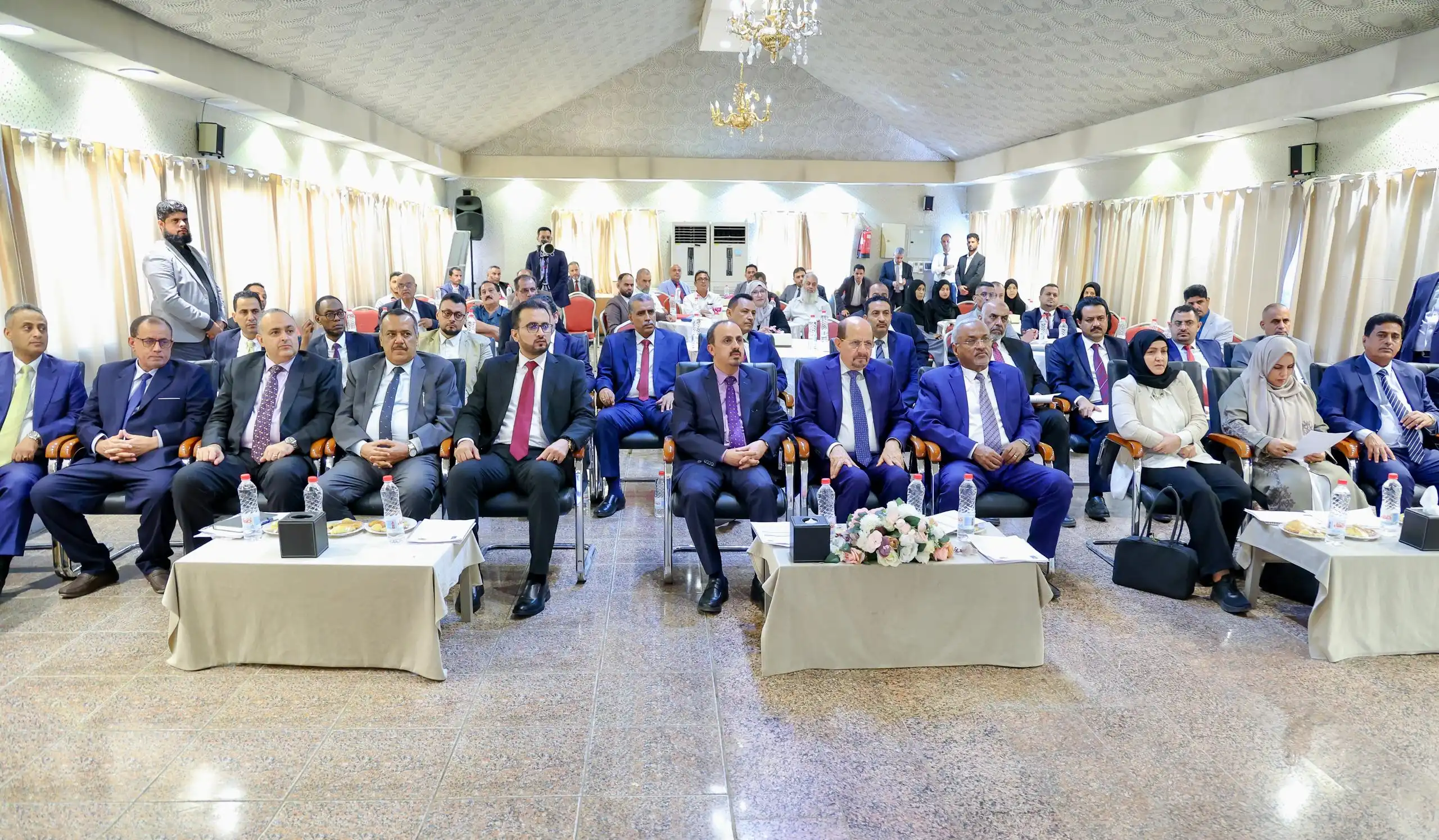
On Sunday, the temporary capital of Aden hosted a significant national workshop titled “Towards a Strategic Framework for Combating Corruption to Support Recovery Efforts in Yemen.” This event was organized by the technical team of the Prime Minister in partnership with the United Nations Development Programme (UNDP). It gathered participation from numerous ministers, judicial and regulatory representatives, security officials, and international experts.
Objectives of the Workshop
This two-day workshop aims to formulate a comprehensive national strategic framework that bolsters anti-corruption initiatives. The framework will be closely aligned with the priorities for economic recovery and institutional reform, ultimately seeking to enhance the efficiency of state institutions and build trust among citizens and international partners.
Emphasizing a Coordinated Approach
During his opening remarks, Dr. Sha’if Mohsen Al-Zandani, the Prime Minister and Minister of Foreign Affairs, underscored the necessity of adopting an integrated institutional approach to combat corruption. He highlighted that such an approach is pivotal for promoting economic recovery and stability. Dr. Al-Zandani called for improved coordination among various stakeholders, integration of their roles, and activation of mechanisms designed to protect public funds. These measures are deemed essential for achieving meaningful and sustainable results.
Government Reforms and Transparency
Dr. Al-Zandani emphasized that these initiatives are in line with ongoing government reform programs, aimed at advancing transparency and accountability. He reiterated the government’s commitment to establishing regulatory and legislative frameworks that foster integrity and combat corruption effectively.
Institutional Efforts Against Corruption
The workshop also addressed current institutional efforts, particularly the issuance of Prime Ministerial Decision No. 34 of 2025. This decision established a coordination and follow-up committee among judicial, regulatory, and security bodies to combat corruption. The committee convenes regularly to oversee its responsibilities effectively.
Committee Responsibilities
The committee’s responsibilities encompass tracking corruption-related cases, providing recommendations to enhance institutional preventative measures, and coordinating efforts among judicial, regulatory, and security entities. These actions are aimed at ensuring the integration and acceleration of procedures, facilitating information exchange, and developing secure, shared databases that enhance institutional effectiveness.
Expected Outcomes
Participants anticipate that the workshop will generate practical recommendations contributing to the establishment of a national integrity system. These recommendations are expected to support the reform process and strengthen the principles of good governance, ultimately aiding the state in achieving recovery and stability in both the medium and long term.