Closure of the Hormuz Strait: A Catalyst for Global Economic Instability

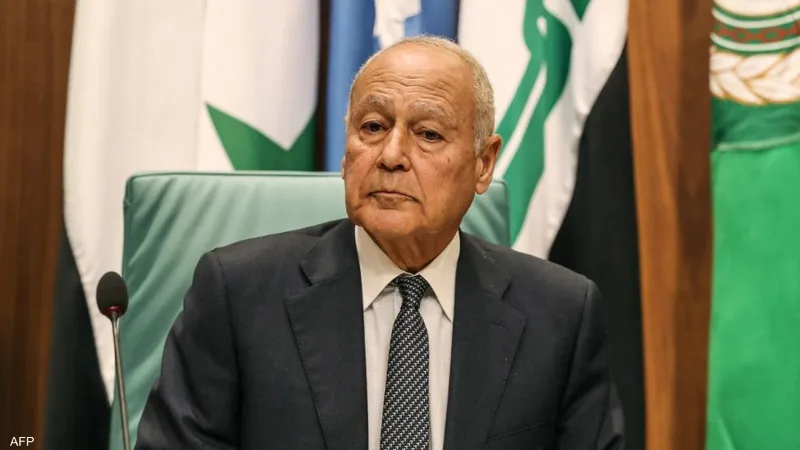
- Closure of the Hormuz Strait has disrupted global supply chains and increased prices.
- Ahmed Abu Ghait condemned attacks on Arab nations as violations of international law.
- The crisis underscores the need to protect vital maritime corridors and ensure navigation freedom.
- Abu Ghait called for enhanced Arab cooperation to address economic challenges and promote stability.
Closure of the Hormuz Strait Triggers Economic Turmoil
Cairo, Egypt – The recent closure of the Hormuz Strait has escalated into a significant crisis, as outlined by Ahmed Abu Ghait, the Secretary-General of the Arab League. This development has severely disrupted international navigation, leading to increased prices for energy and essential goods. The ramifications have plunged the global economy into a prolonged state of instability.
Economic Consequences of the Closure
During the opening session of the extraordinary meeting of the Arab Chambers Union, held at the Arab League headquarters in Cairo, Abu Ghait emphasized that the attacks targeting several Arab nations constitute a blatant violation of international law. He categorically rejected these actions, asserting that they cannot be justified under any circumstances.
The Secretary-General highlighted that this crisis underscores the critical importance of maintaining vital maritime corridors and safeguarding the freedom of navigation. He urged for the enhancement of alternative transport routes and regional trade corridors to prevent similar disruptions in the future. Protecting maritime navigation is not only an economic necessity but is also essential for ensuring security and stability throughout the region.
A Call for Strengthening Arab Cooperation
Abu Ghait further stressed the need for collective Arab action to tackle the economic challenges confronting Arab nations. He pointed out the necessity of bolstering the capacity of countries to manage crises effectively, highlighting the pivotal role of the private sector in fostering development and investment. Collaborative efforts among Arab states are crucial in contributing to economic stability and improving the living conditions of their citizens.
For further details, visit the original article here.
The post originally appeared on Yemen TV.