U.S.-Iran Negotiation Crisis Intensifies: Implications for Regional Stability

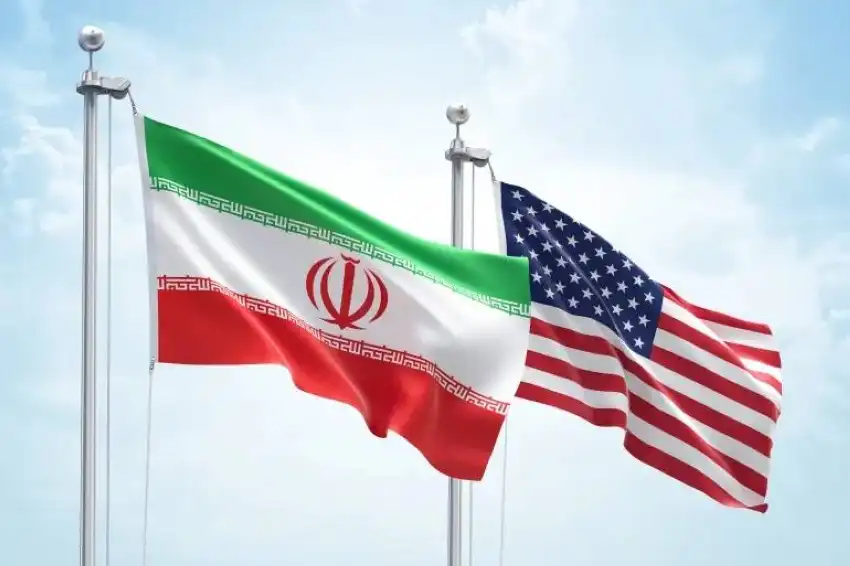
- Negotiations between the U.S. and Iran have reached a stalemate, raising concerns.
- Iran's proposal includes demands for lifting the blockade and U.S. troop withdrawal.
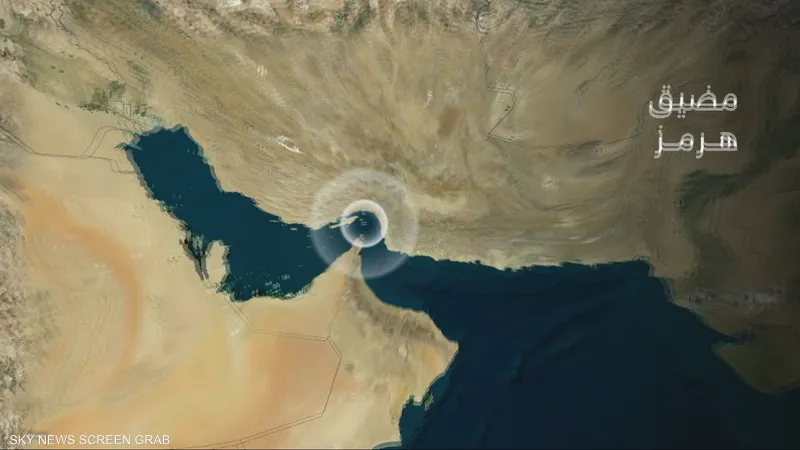
- The Strait of Hormuz remains a critical issue for global energy supplies and negotiations.
- Deep ideological divides hinder understanding and complicate the potential for resolution.
Rising Tensions: The Future of U.S.-Iran Relations
Questions are escalating regarding the trajectory of tensions between the United States and Iran. Recent diplomatic negotiations have reached a deadlock, with Washington signaling its rejection of Iran’s latest proposal. In the wake of recent conflicts, the regional landscape remains fraught with uncertainty.
The Strait of Hormuz: A Geopolitical Flashpoint
Following a prolonged 40-day conflict, the likelihood of Tehran attempting to close the Strait of Hormuz took many by surprise, including Washington. Conversely, Iran did not anticipate that the administration of President Donald Trump would respond with a sweeping maritime blockade, resulting in economic strangulation that has exacerbated the crisis.
The Strait of Hormuz is a pivotal channel for global energy supplies, and it lies at the heart of this ongoing crisis. While the reopening of the strait appears inevitable, the core disagreement centers on prioritizing key issues for negotiation.
Divergent Conditions and Conflicting Visions
Iran is insisting on the lifting of the blockade and the reopening of the Strait of Hormuz as prerequisites for further negotiations. Among its demands are:
- Management of the Strait of Hormuz
- Withdrawal of U.S. military forces from the region
- Compensation payments for economic losses
In contrast, Washington views these demands as unrealistic, arguing that Tehran seeks to dictate negotiation terms from a position of crisis.
This stark disparity underscores a profound divide in perspectives between the two nations. Each party approaches the situation from fundamentally different vantage points, severely limiting potential for mutual understanding at this juncture. Consequently, the region remains in a precarious state, facing a multitude of possible outcomes.
The ongoing crisis in negotiations between Washington and Tehran exemplifies the complexities of international relations and underscores the urgent necessity for renewed dialogue.