Sudan plans to import corn from Ukraine and Brazil to address rising prices.

- Sudan to Allow Import of Sorghum from Ukraine and Brazil The Sudanese government plans to permit the importation of sorghum from Ukraine and Brazil.
- This move responds to proposals aimed at taking advantage of lower prices in global markets compared to those in the Sudanese market.
- Importance of Sorghum in Food and Livestock Sectors The crisis holds particular significance due to sorghum's connection to the food and livestock sectors.
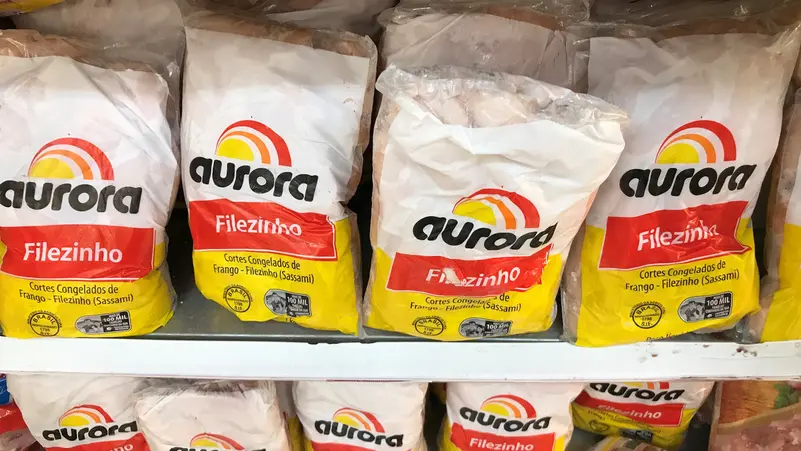
- Additional Measures to Reduce Local Demand The suggested measures also encompass permitting the import of frozen poultry.
Sudan to Allow Import of Sorghum from Ukraine and Brazil
The Sudanese government plans to permit the importation of sorghum from Ukraine and Brazil. This decision aims to address the sharp rise in sorghum prices and alleviate the financial burdens on citizens. The gap between local and global prices continues to widen.
Government Response to Economic Pressures
Economic reports indicate that a source from the Ministry of Foreign Trade confirmed the government’s intention to open the door for sorghum imports. This move responds to proposals aimed at taking advantage of lower prices in global markets compared to those in the Sudanese market.
Price Discrepancies Highlighted
The source explained that the price of a ton of sorghum in global markets ranges between 200 and 230 dollars. In contrast, the local market price reaches approximately 800 dollars per ton. This disparity reflects the pressures facing the local market due to limited supply and rising production costs.
Importance of Sorghum in Food and Livestock Sectors
The crisis holds particular significance due to sorghum’s connection to the food and livestock sectors. Sorghum serves as a primary component in poultry feed, while the majority of the population relies on it as a staple food.
Proposed Measures for Importation
The proposals include allowing both the public and private sectors to import sorghum, exempting shipments from customs duties and taxes. Additionally, the imported quantities will enter the market at reduced prices to help stabilize costs.
Additional Measures to Reduce Local Demand
The suggested measures also encompass permitting the import of frozen poultry. This strategy aims to lessen the pressure on local demand for feed and reduce production costs.
Economic Expectations
Economic entities anticipate that these measures will lower sorghum prices by 30 to 40 percent. Furthermore, poultry prices may decrease by up to 35 percent, supporting citizens’ purchasing power and mitigating the impacts of the economic crisis.
To follow the news in Arabic