Yemen chairs the 37th session of the Arab Ministers Responsible for the Environment Council.

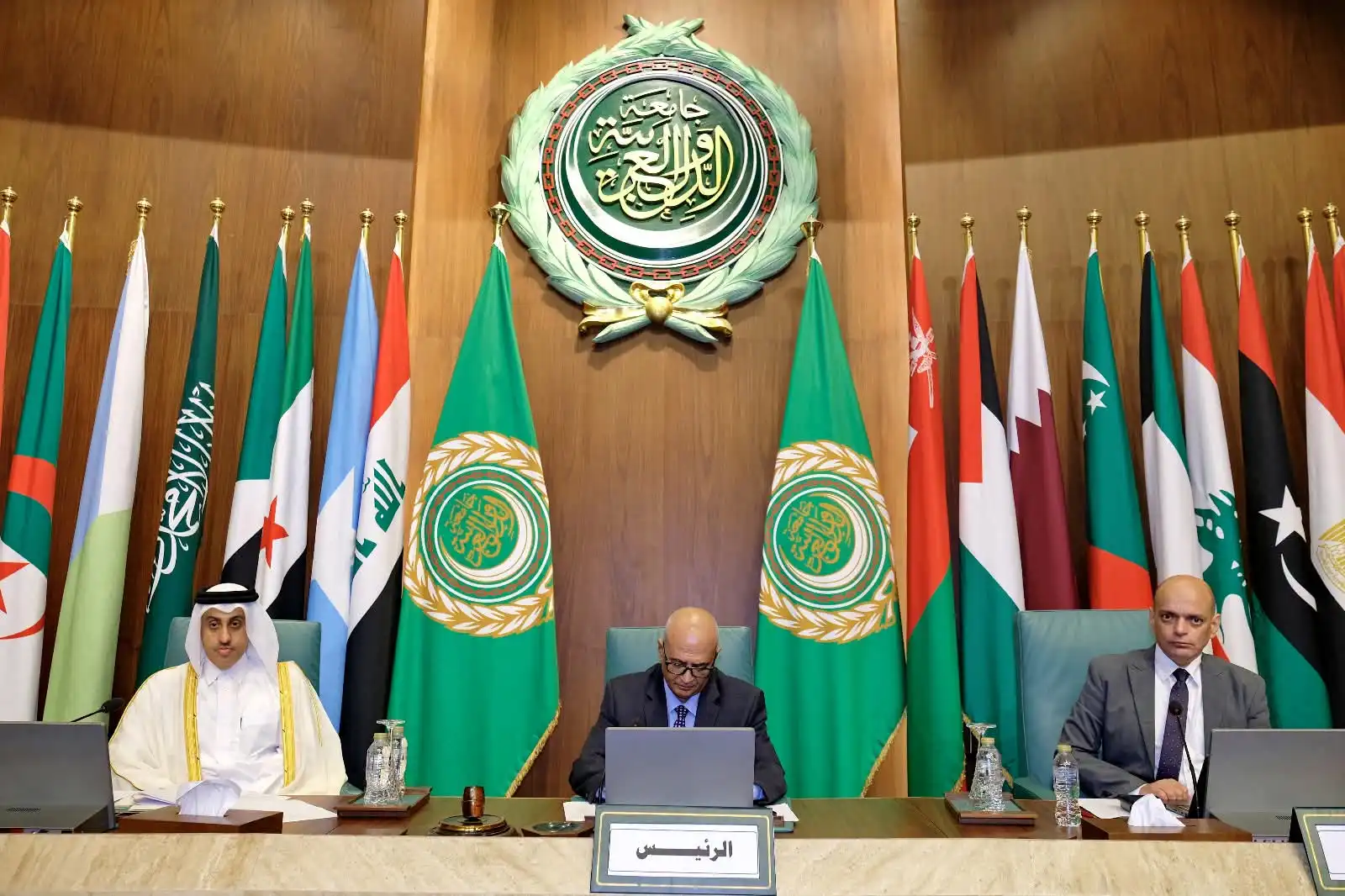
- Yemen chaired the 37th session of the Arab Ministers Responsible for the Environment in Cairo.
- Minister Tawfiq Al-Sharjabi acknowledged Egypt's hosting and Mauritania's previous presidency contributions.
- The meeting addressed pressing environmental challenges, including water scarcity and climate change impacts.
- Al-Sharjabi emphasized transitioning from consensus to actionable policies in environmental practices.
Yemen Chairs the 37th Meeting of Arab Ministers Responsible for the Environment
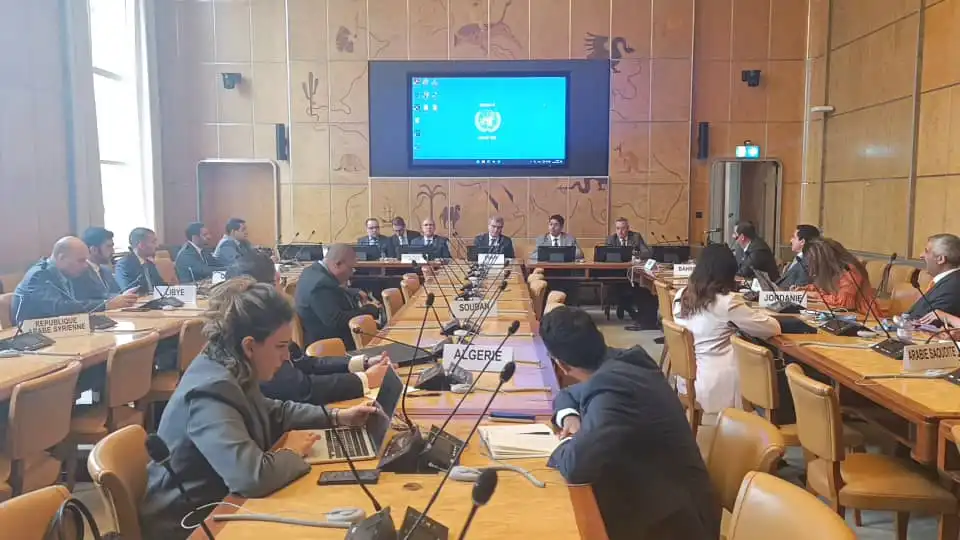
The Republic of Yemen chaired the 37th session of the Arab Ministers Responsible for the Environment today. This meeting took place at the headquarters of the Arab League in Cairo, Egypt.
Warm Welcome and Acknowledgments
Engineer Tawfiq Al-Sharjabi, the Minister of Water and Environment and the current session’s president, welcomed the ministers and heads of delegations from participating Arab countries. He expressed gratitude on behalf of Yemen to the Arab Republic of Egypt for hosting the session and for its excellent organization. He also thanked the Islamic Republic of Mauritania for its efforts during the previous presidency of the council. Al-Sharjabi commended the work of the Arab League’s General Secretariat, the technical secretariat of the council, and the technical committee on the environment for their preparation and follow-up on the council’s decisions.
Addressing Environmental Challenges
Al-Sharjabi emphasized that the meeting occurs amid increasing environmental and developmental challenges facing the Arab region. Key issues include water scarcity, drought, desertification, land degradation, loss of biodiversity, and rising pollution levels. Additionally, he highlighted the growing impacts of climate change and its repercussions on water and food security, development, and community stability.
The Importance of Environmental Integration
He noted that environmental issues have evolved from being a separate sector to becoming a fundamental element of national security, community stability, and future development. Al-Sharjabi stressed the need to enhance Arab coordination and develop more effective and integrated positions in international forums, reflecting the priorities and unique developmental circumstances of Arab nations.
Promoting Sustainable Practices
The minister underscored the importance of linking water, agriculture, and the environment as an integrated system. He called for leveraging current environmental transformations through circular economy practices, blue economy initiatives, and nature-based solutions. These efforts aim to promote the sustainable use of resources, protect ecosystems, and support sustainable development.
Transitioning from Agreement to Action
In closing, Al-Sharjabi highlighted the necessity of moving from consensus to action, from decisions to implementation. He advocated for strengthening follow-up mechanisms, sharing experiences, and fostering partnerships. These steps will help translate the council’s outcomes into actionable policies, programs, and projects, thereby enhancing Arab representation in international environmental forums.
Agenda and Discussions
The meeting discussed several agenda items, including the adoption of the agenda, review and approval of reports and decisions, and environmental and climate issues of common Arab interest. The session also featured the distribution of the Environmental Excellence Award and speeches from ministers and heads of delegations addressing major environmental challenges and ways to enhance collaborative Arab environmental efforts.
Addressing Humanitarian and Environmental Issues
Furthermore, the meeting addressed various environmental and humanitarian issues in the Arab region. Participants emphasized the importance of continuing efforts to assess environmental damages, strengthen institutional capacities, and mobilize necessary support for recovery and rehabilitation in countries affected by conflicts, disasters, displacement, and environmental degradation.
Session Overview
The session began with a closed consultative meeting for ministers and heads of delegations, followed by an opening session that included representatives from the Arab League’s General Secretariat and several regional and international organizations concerned with the environment and sustainable development.
To follow the news in Arabic