The Executive Unit reports the displacement of 1,395 families in Taiz and Hodeidah due to Houthi escalation.

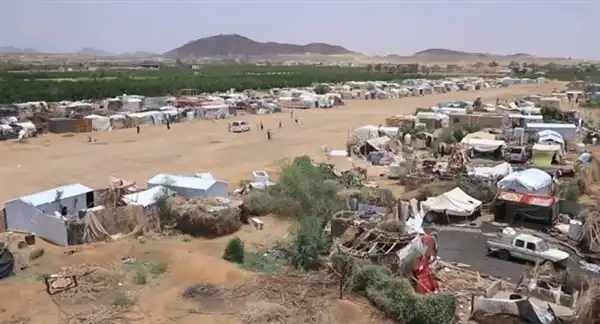
- ,395 families have displaced from Taiz and Al Hudaydah due to Houthi military actions.
- In Taiz, 1,149 families relocated to six districts amid ongoing bombardment.
- Al Hudaydah recorded 246 families fleeing, with most moving to Hays and Al Khawkhah.
- Displaced families urgently need shelter, food, water, sanitation, and healthcare support.
Displacement Crisis in Yemen: 1,395 Families Forced to Leave Their Homes
The Executive Unit for Managing Displaced Camps reported that as of Friday evening, 1,395 families have fled their homes in the provinces of Taiz and Al Hudaydah. This mass displacement results from intensified military actions by the Houthi militia in several areas, prompting families to seek refuge in safer locations.
Taiz: Widespread Displacement Across Six Districts
Field reports indicate that 1,149 families have been displaced in Taiz. These families have relocated to the following districts:
- Jabal Habashi
- Al-Mafer
- Maqbana
- Mawza
- Al-Shamayatayn
- Al-Mudhaffar
The displacement primarily stems from areas experiencing heavy bombardment and military escalation, particularly in Maqbana, Jabal Habashi, and Al-Mafer.
Al Hudaydah: 246 Families Seek Shelter in Hays and Al Khawkhah
In Al Hudaydah province, the Executive Unit documented the displacement of 246 families. Of these, 207 families moved to Hays, while 39 families sought refuge in Al Khawkhah. The ongoing clashes and armed conflict have forced these families to scatter across various villages and sites within the two districts.
Increasing Humanitarian Needs
The Executive Unit emphasized that displaced families face urgent needs, including:
- Shelter
- Food
- Drinking water
- Sanitation
- Healthcare
- Protection
- Basic necessities
Some families require immediate housing solutions, especially those arriving without shelter or living in temporary arrangements.
Ongoing Monitoring and Warnings of Further Displacement
Teams from the Executive Unit continue to monitor and document displacement movements, assess family needs, and coordinate with local authorities, humanitarian partners, and relevant agencies. They warned of the potential for increased displacement if military escalation persists. The unit stressed the importance of enhancing preparedness, accelerating responses, and providing essential support to areas receiving displaced individuals.
The situation remains critical as humanitarian organizations work to address the growing challenges faced by those affected by the conflict.
To follow the news in Arabic