Government meetings with the IMF mission have commenced to discuss the monitoring program led by the Fund’s experts.

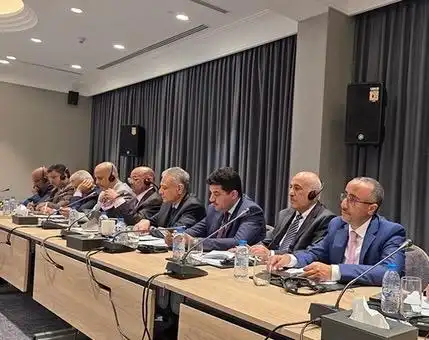
Meetings Begin Between Yemeni Government and IMF Mission in Amman
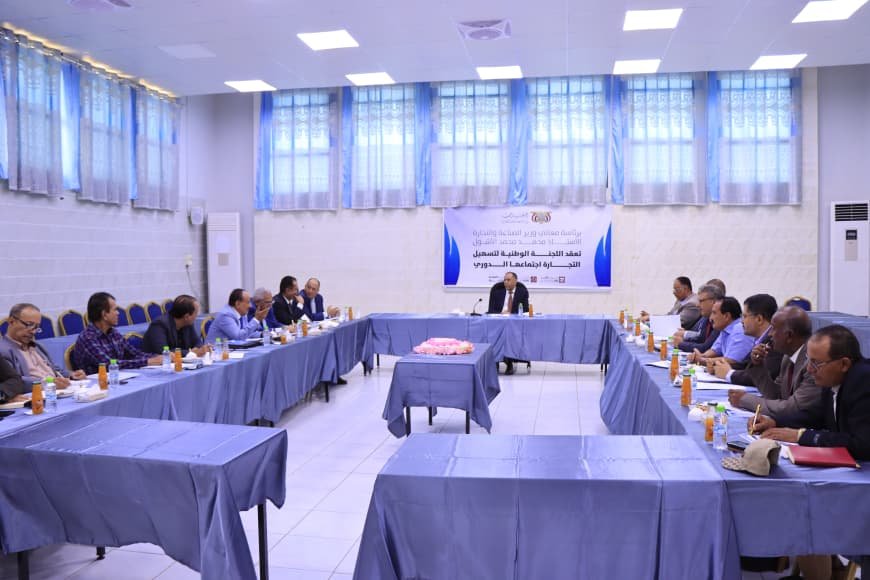
Today, the official meetings commenced in Amman, Jordan, between the Yemeni government and a delegation from the International Monetary Fund (IMF). The discussions focus on the IMF’s monitoring program, featuring key participants such as Ahmed Ghaleb, the Governor of the Central Bank of Yemen, Marwan bin Ghanem, the Minister of Finance, and Esther Perez, the head of the IMF mission to Yemen.
Government’s Appreciation for IMF Support
At the start of the meeting, the Yemeni delegation expressed gratitude for the professional cooperation and technical support provided by the IMF. They acknowledged the understanding and flexibility demonstrated by the IMF team, which has been crucial for maintaining dialogue and collaboration during recent challenges.
Importance of the Meetings
These discussions follow the successful completion of the Fourth Article Consultations and mark a significant step in the partnership between Yemen and the IMF. They reflect a mutual desire to build on previous achievements, aiming for a practical, balanced, and executable reform program. This program seeks to enhance economic and financial stability while supporting the government’s efforts in implementing necessary reforms.
Current Economic Challenges
The delegation highlighted the IMF’s comprehensive understanding of Yemen’s economic situation, particularly following the Fourth Article Consultations. They pointed out that the ongoing halt in oil exports has led to a sharp decline in public revenues. This situation, coupled with increasing pressures on public finances and the external sector, poses exceptional challenges that directly impact the government’s ability to meet essential obligations, including salary payments for state employees and the provision of public services.
Ongoing Reforms Amidst Difficulties
Despite these extraordinary circumstances, the government and the Central Bank have continued to implement comprehensive institutional, economic, and financial reforms at both central and local levels. These reforms include improving public financial management, enhancing revenue collection, and developing monetary policies and exchange rate management. Such efforts demonstrate a steadfast commitment to reform, even in the face of ongoing challenges.
Commitment to Economic Reform
The delegation emphasized that the shift towards an IMF monitoring program reflects a strong belief that economic reform is a national priority. This program serves as an institutional framework for coordinating economic, financial, and monetary policies, setting reform priorities, and ensuring commitment to a clear timeline for implementation. These efforts aim to bolster economic stability, improve institutional efficiency, and promote governance and transparency.
Balancing Ambition with Realism
The government expressed its hope for a program that balances ambition with realism, based on an objective assessment of state institutions’ capabilities. It also seeks to consider the exceptional economic, financial, and social conditions currently facing Yemen, thereby enhancing the likelihood of the program’s success.
IMF’s Commitment to Support
In response, the IMF team reiterated its commitment to reaching an agreement on an economic reform program that meets aspirations and achieves desired goals. They affirmed their readiness to provide all necessary technical support to ensure the program’s success and enhance implementation capabilities.
Upcoming Discussions
In the coming days, both teams will discuss various aspects of the IMF monitoring program. Topics will include fiscal and monetary policies, public finance reforms, revenue management, financial sector development, and priority structural reforms. The goal is to agree on a comprehensive reform framework that supports macroeconomic stability and strengthens Yemen’s economic resilience, paving the way for a new phase of cooperation and partnership between Yemen and the IMF.
Attendees of the Meeting
The meeting included the presence of Dr. Jalal Faqira, Yemen’s Ambassador to Jordan, along with deputy governors from the Central Bank of Yemen, representatives from the Ministries of Finance and Planning and International Cooperation, and members of the Yemeni technical team. From the IMF side, Dr. Mohammed Jaber, the resident representative of the IMF in Yemen, and other mission members were also in attendance.
To follow the news in Arabic