President Alimi Presents a Unified National Vision for Yemen’s Future

- President Alimi commemorated Yemen's National Day, urging unity and renewed commitments.
- He emphasized the importance of addressing the Southern issue for lasting peace and stability.
- Alimi highlighted recent security challenges, crediting Saudi support for maintaining national unity.
- The council's vision includes restoring state institutions and integrating Yemen into the Gulf Cooperation Council.
President Alimi Addresses the Nation on Yemen’s 36th National Day
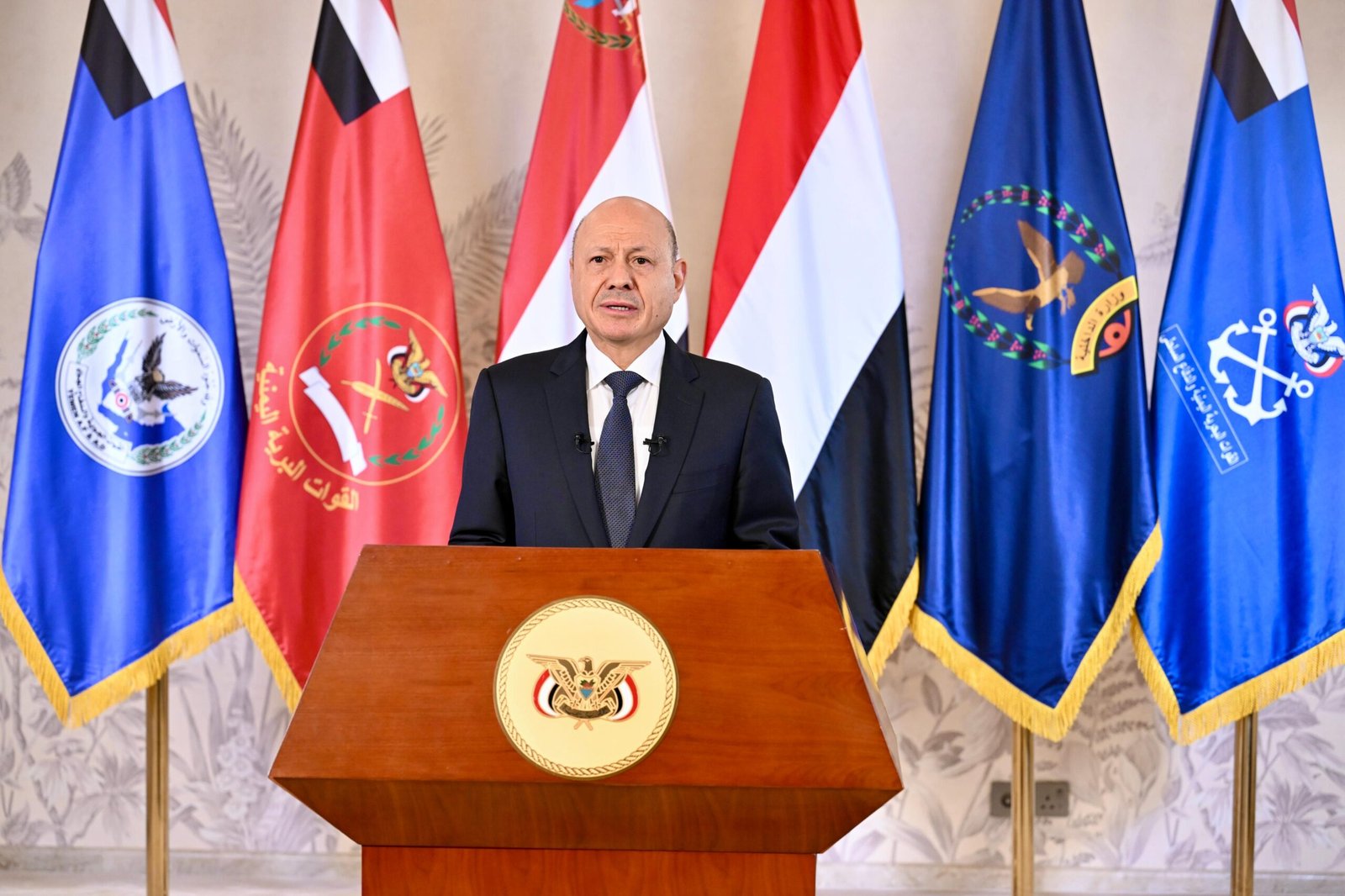
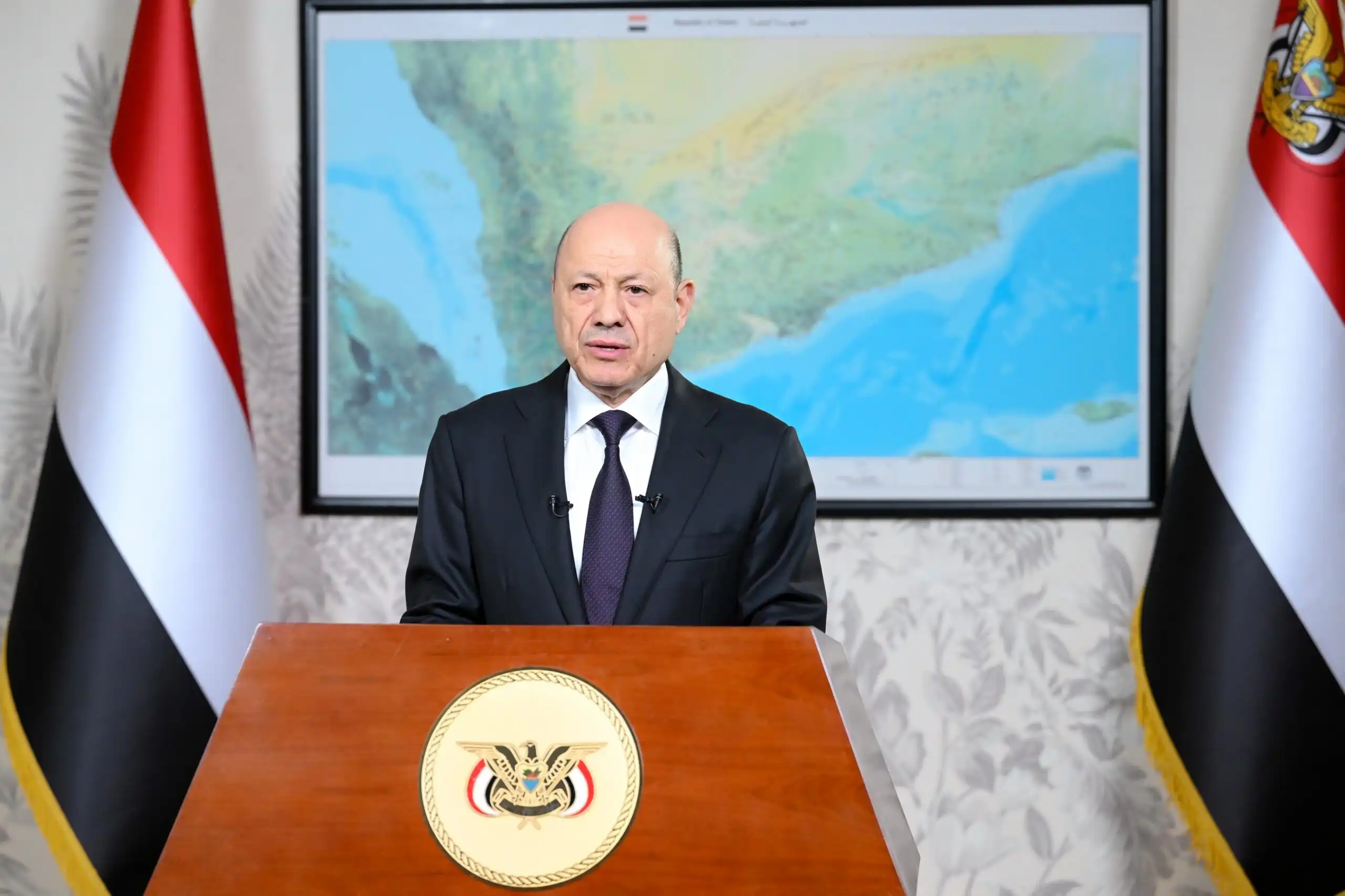
In a significant address to the Yemeni people, President Dr. Rashad Mohammed Alimi, head of the Presidential Leadership Council, commemorated the 36th anniversary of Yemen’s National Day on May 22. He extended his congratulations on behalf of himself and his fellow council members, urging citizens to use this occasion as a new opportunity to restore trust, renew commitments, and unify efforts towards justice, partnership, and sustainable development.
A Call for Unity and Responsibility
President Alimi emphasized that this national celebration should not merely reflect traditional festivities or political victories. Instead, he spoke with a sense of responsibility towards a nation that has endured prolonged suffering due to wars, injustices, and institutional collapse. He stated, “Yemen stands at a pivotal moment in its modern history, requiring us all to have the courage to face the truth and build a future free from the scars of the past.”
The President highlighted that Yemeni unity has long been a noble dream for successive generations, representing a path toward a state of institutions, justice, and equal citizenship. However, he acknowledged that this vision faced serious deviations that led to deep injustices, including exclusion and marginalization, which undermined the foundational partnership of unity.
Commitment to Southern Justice and Moving Forward
Alimi reiterated the importance of addressing the Southern issue, emphasizing that rectifying past wrongs and ensuring equitable power and wealth sharing remains a steadfast commitment. He asserted that the Southern cause is central to any fair resolution and a key to achieving lasting peace and stability.
In his address, President Alimi also discussed the recent security and political challenges in the southern and eastern provinces, which threatened the legal framework of the state. He credited the decisive actions taken, with the support of Saudi Arabia, for averting further division and maintaining national unity against the Houthi coup, backed by Iranian interests.
The President urged all Yemenis to embrace the new realities, recognizing that there are no winners in civil conflicts. He called on relevant authorities to take necessary legal actions to review and dismiss arrest orders against individuals not involved in terrorism or violence, ensuring that Yemen remains a homeland for all its citizens.
A Vision for the Future and Humanitarian Efforts
Alimi outlined the council’s vision for the future, focusing on restoring state institutions, reinforcing the republican system across Yemen, and completing economic reforms. He emphasized the need for a strategic partnership with Saudi Arabia and the gradual integration of Yemen into the Gulf Cooperation Council.
The President praised recent government reforms aimed at rebuilding the nation while considering the needs of low-income citizens. He stressed the importance of enhancing security measures and military integration to ensure that liberated areas like Aden become models of recovery and stability.
In a humanitarian gesture, Alimi announced the recent agreement to release 1,750 detainees, reaffirming the government’s commitment to resolving the issue of those held by Houthi militias. He emphasized that the state should embody justice and fairness, preserving human dignity and rights.
Conclusion: A Call to Action
In closing, President Alimi urged the Yemeni people to unite and work towards a brighter future, stating, “Let us make this anniversary a new starting point to restore trust, renew our commitments, and open a new chapter defined by justice, partnership, and civil governance.” He honored the sacrifices of martyrs and called for healing for the wounded, freedom for detainees, and the continued existence of a renewed civil state in Yemen.