Saudi Program for Development and Reconstruction of Yemen Hosts Urban Recovery Dialogue at WUF13

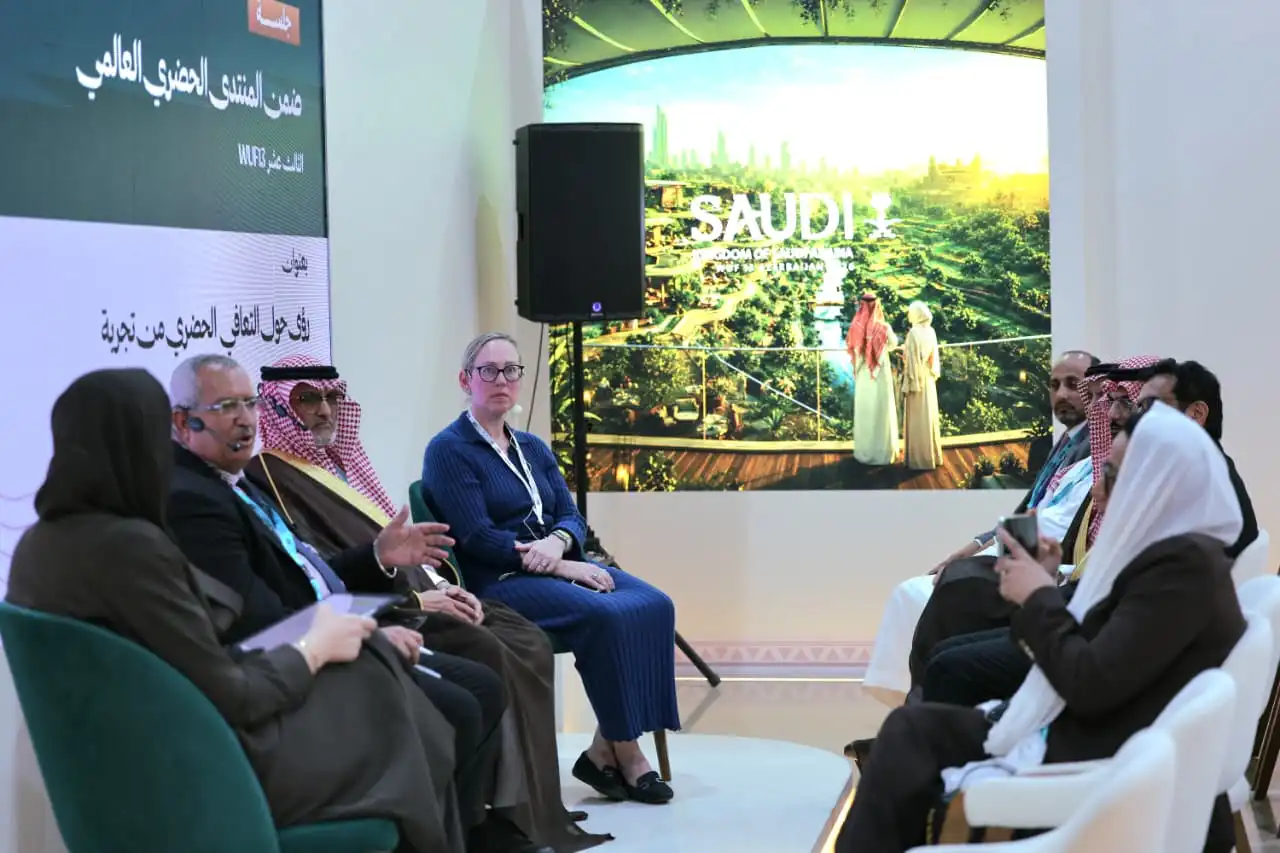
- The Saudi Program for Development and Reconstruction of Yemen hosted a dialogue at WUF13.
- Key figures discussed urban recovery and integration of vital sectors for stability.
- The program utilizes a holistic approach, collaborating with various organizations for sustainability.
- An agreement for the second phase of the "Adequate Housing" project was signed during the forum.
Saudi Program for Development and Reconstruction of Yemen Hosts Urban Recovery Dialogue
The Saudi Program for Development and Reconstruction of Yemen organized a dialogue session titled “Insights on Urban Recovery from the Experience of the Saudi Program for Development and Reconstruction of Yemen.” This significant event was held at the Saudi Arabia pavilion during the 13th World Urban Forum (WUF13) in Azerbaijan.
Key Participants Discuss Urban Recovery
The session featured a distinguished panel of experts, including Hassan Al-Attas, Assistant Supervisor General of the program and Head of the Projects and Development Programs Sector; Dr. Ali Hassan, Undersecretary of the Ministry of Public Works and Roads for Housing; Dr. Catherine Tofe, Director of Global Practices for Urban Development and Resilience at the World Bank; and Abdullah Ben Qaddah, Assistant Supervisor General for Institutional Relations and Head of Communication and International Cooperation.
During the discussions, participants delved into the Saudi program’s innovative approach to urban recovery, which emphasizes the integration of critical sectors such as energy, water, and transportation. This multifaceted strategy has played a vital role in fostering urban stability and enhancing essential services. Furthermore, the program’s influence extends to the health and education sectors, thereby strengthening community resilience and revitalizing economic activities.
Comprehensive Development Approach and Future Initiatives
The Saudi program has adopted a holistic development strategy that prioritizes effective fieldwork and collaboration with local, regional, and international organizations. By aligning its interventions with developmental priorities, the program works closely with the Yemeni government, local authorities, and civil society organizations to ensure the sustainability of its impact.
In addition to promoting stability, the Saudi Program for Development and Reconstruction of Yemen has paved the way for a more sustainable recovery path for the future. During the forum, the program signed an agreement for the second phase of the “Adequate Housing” project in partnership with the United Nations Human Settlements Programme (UN Habitat). The program also engaged in several bilateral meetings and showcased an exhibition featuring 287 developmental projects and initiatives since its establishment in 2018. These initiatives span crucial sectors such as education, health, energy, water, transportation, agriculture, and fisheries, while focusing on enhancing the capacities of the Yemeni government.
Ultimately, the Saudi Program for Development and Reconstruction of Yemen continues to play a pivotal role in shaping the future of urban recovery and development in Yemen.