Yemeni Government Delegation Engages with World Bank Group on Key 2026 Development Projects

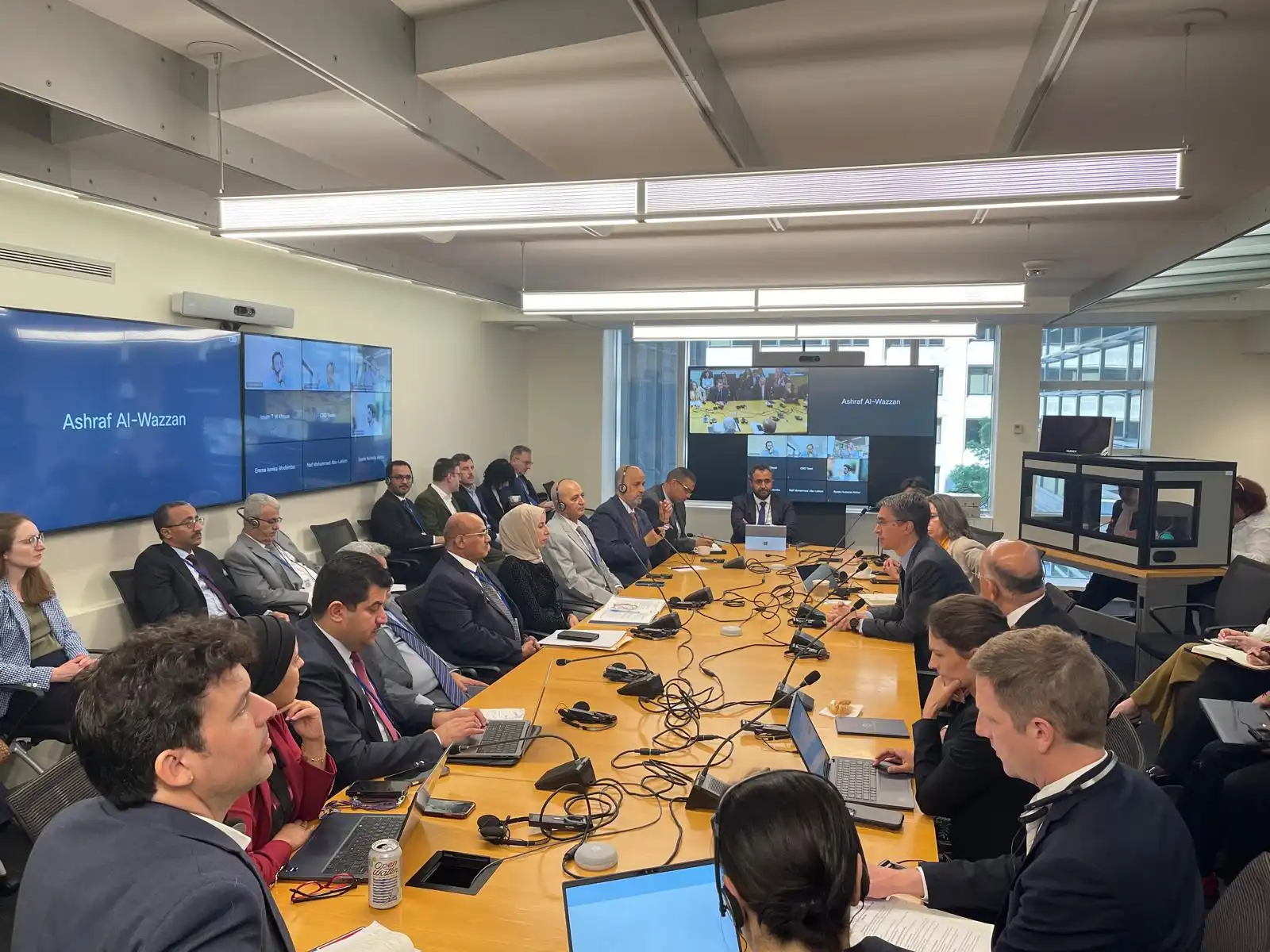
- The Yemeni government delegation met with the World Bank Group during the Spring Meetings 2026.
- Proposed projects include climate-resilient water services and health initiatives for fiscal year 2026.
- Minister Dr. Afrah Al-Zuba emphasized alignment with the National Development Plan and trade facilitation.
- Central Bank Governor Ahmed Ghaleb reaffirmed commitment to monetary stability and banking reforms.
Spring Meetings 2026 in Washington
The Yemeni government delegation participating in the Spring Meetings 2026 of the World Bank Group and the International Monetary Fund (IMF) convened a crucial meeting today in Washington, D.C. This session involved extensive discussions with World Bank Group leadership regarding a series of vital projects planned for the fiscal year 2026.
Proposed Vital Projects
During the meeting, the World Bank team introduced several proposed initiatives. Among these is a program designed to bolster the resilience of water services against climate change, which will be implemented in three phases. Additionally, discussions included projects focused on health, nutrition, water, and sanitation. Other significant initiatives on the agenda comprised a cash-for-nutrition and livelihoods program, a project aimed at modernizing public institutions and systems, and further funding for the Integrated Urban Emergency Services Project.
In a bid to support the private sector, the International Finance Corporation (IFC) emphasized its commitment to developing Sharia-compliant financial products, which aim to strengthen small and medium-sized enterprises (SMEs) in Yemen.
Government Reaffirms Development Priorities
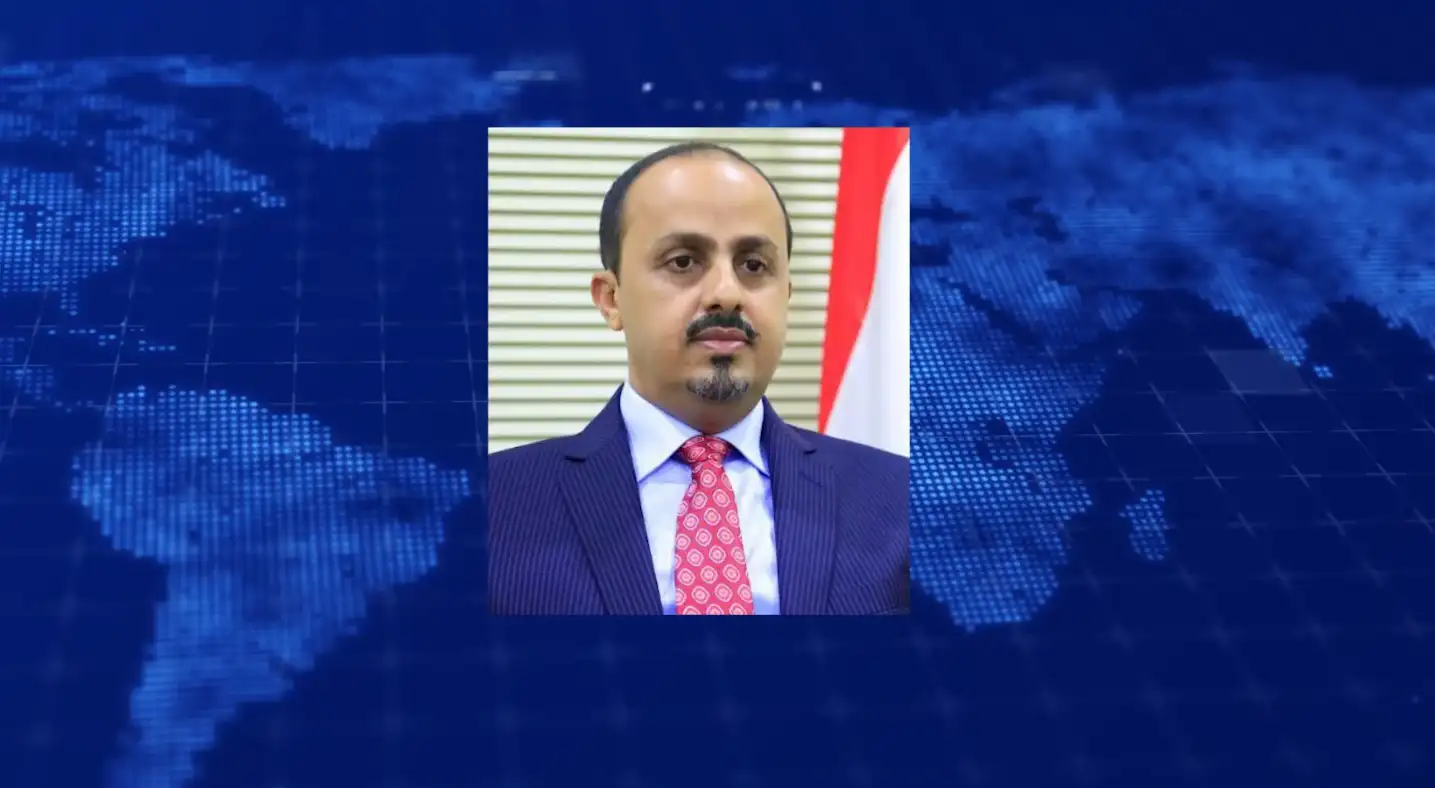
Throughout the discussions, Dr. Afrah Al-Zuba, Minister of Planning and International Cooperation, underscored the necessity for the new country partnership framework to align with the priorities set forth in the Yemeni government’s National Development Plan. She highlighted the need for a flexible operational model that integrates direct government execution with third-party arrangements.
Dr. Al-Zuba also advocated for the inclusion of a trade facilitation project on the agenda, aimed at modernizing customs and port infrastructure to facilitate the flow of essential goods. Furthermore, she drew attention to the importance of a road project designed to enhance critical infrastructure and connect economic centers across various provinces.
Supporting Financial and Economic Stability
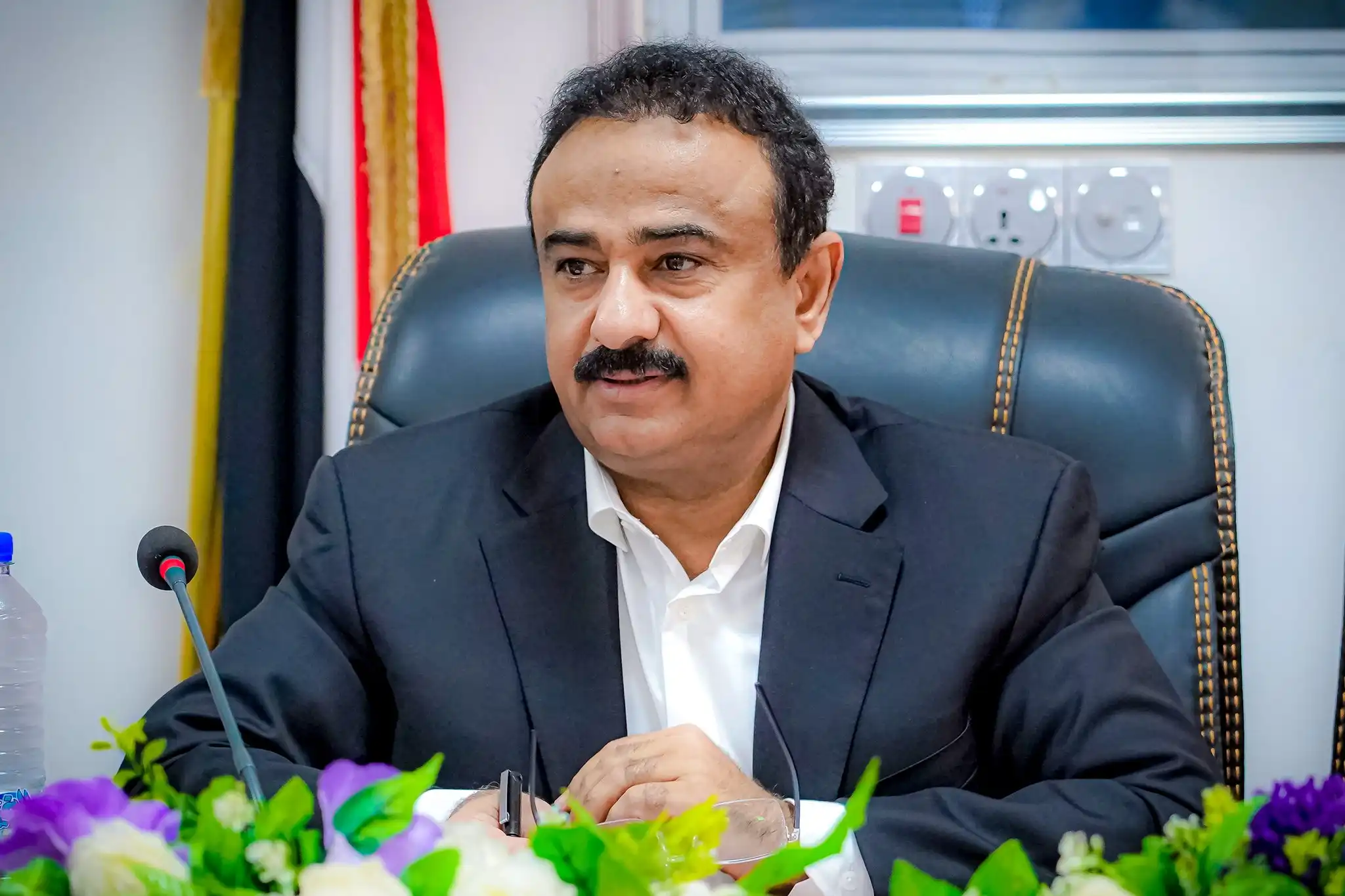
In related discussions, Ahmed Ghaleb, Governor of the Central Bank of Yemen, reiterated the bank’s commitment to maintaining monetary stability, managing exchange rates, and promoting essential reforms within the banking sector. He acknowledged the urgent need for intensified support to mitigate the regional crisis’s impact on the Yemeni economy.
Finance Minister Marwan Bin Ghanem expressed the government’s dedication to advancing reforms in public financial management and revenue mobilization, emphasizing the vital role of technical and financial assistance from the World Bank in strengthening public finances amidst ongoing challenges.
The World Bank’s Country Director indicated that the new country partnership framework is set to be submitted to the World Bank Board of Directors for discussion at the end of May. He confirmed that a comprehensive list of projects is being prepared with the support of the International Development Association, affirming the World Bank’s commitment to fostering development in Yemen.