Yemen reaffirms its commitment to implementing measures aimed at eradicating terrorism and extremism.

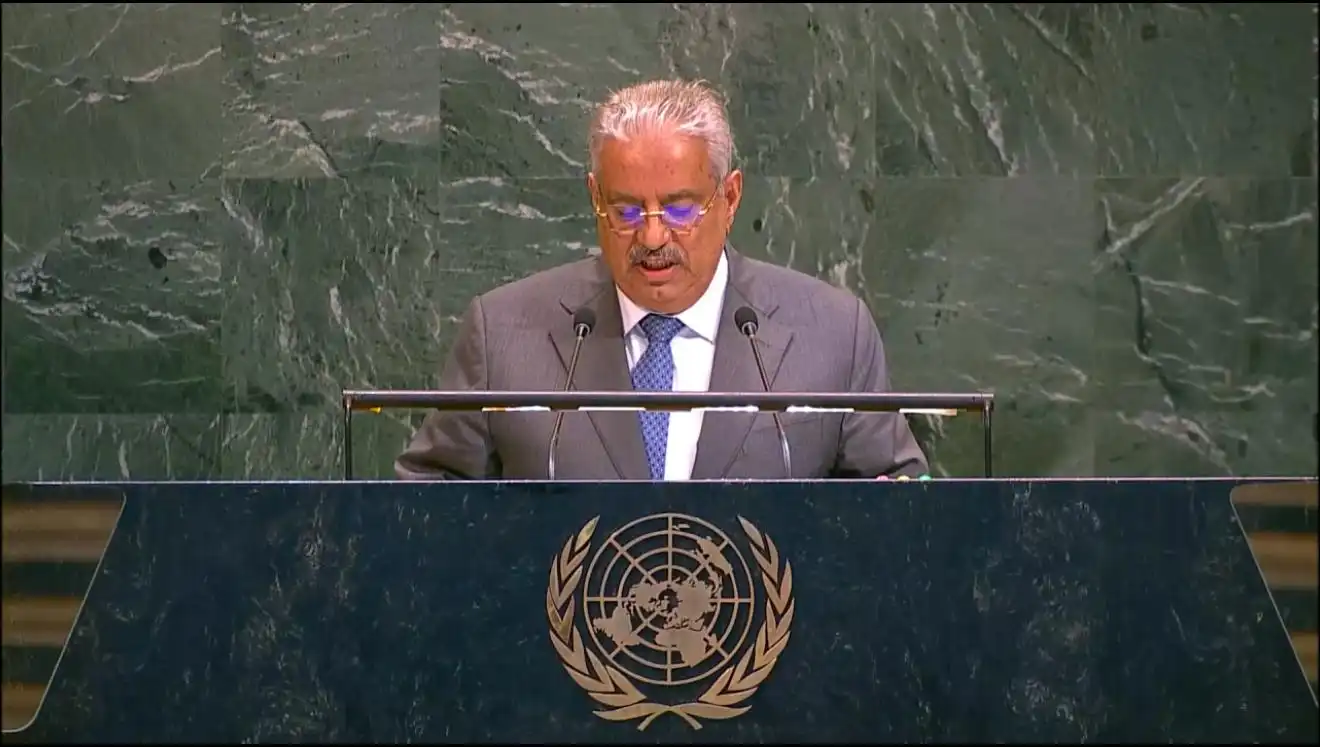
Yemen Reaffirms Commitment to Combat Terrorism and Extremism
The Republic of Yemen has reiterated its dedication to implementing comprehensive measures aimed at eradicating the serious threats of terrorism and extremism. These issues jeopardize international peace and security, undermine development opportunities, and threaten the lives of people.
Strong Stance Against Terrorism
In a statement delivered by Major General Mohammed Ayda, head of the Central Security Agency, before the United Nations General Assembly, Yemen reaffirmed its unwavering position against terrorism and extremism in all forms. The statement emphasized that terrorism should not be linked to any religion, nationality, culture, or ethnic group.
The Impact of Conflict on Terrorism
Major General Ayda highlighted that conflict zones provide fertile ground and safe havens for terrorist groups. This situation is evident in parts of Yemen, where the war initiated by Houthi militias in 2014 has led to one of the worst humanitarian crises globally. He noted that Houthi prisons remain overcrowded with detainees, including many women and their children, as well as approximately 73 United Nations employees and numerous NGO staff members. This situation represents a blatant violation of international law and humanitarian principles.
Maritime Threats and Regional Security
The statement also addressed the significant threat posed to navigation in the Red Sea, Arabian Sea, and Bab el-Mandeb Strait. Houthi militias have conducted over 180 attacks on vessels in international waters, damaging 46 ships and hijacking several others along with their crews. The increase in arms smuggling and drone technology from the Iranian Revolutionary Guard to the Houthis exacerbates the situation, with several vessels intercepted carrying weapons and manufacturing equipment.
Collective Responsibility in Counter-Terrorism
Major General Ayda emphasized that combating terrorism is a collective responsibility that no single nation can tackle alone, especially those affected by conflict, like Yemen. Despite the exceptional circumstances and security challenges Yemen faces, the Yemeni government continues its efforts to enhance its national capabilities in counter-terrorism. This includes institutional measures to develop the security system, such as merging intelligence agencies into a unified “State Security Agency” and establishing a specialized counter-terrorism unit. These steps aim to improve institutional coordination and readiness to address terrorist threats in collaboration with regional and international partners.
Building Capacity in Conflict-Affected States
The General stressed the importance of strengthening capacity-building efforts in conflict-affected countries, aligning with their national needs and priorities. Effective coordination with local governments ensures the sustainability and effectiveness of these initiatives. He noted the growing significance of this approach in light of the increasing threats posed by terrorist groups, including the Houthis and Al-Qaeda, who seek to acquire modern technologies for terrorist purposes, particularly drone systems and other emerging technologies.
Acknowledgment of International Support
Major General Ayda expressed gratitude for the support provided by the Kingdom of Saudi Arabia through the Coalition to Support Legitimacy, which enhances the capabilities of Yemeni security institutions in counter-terrorism efforts. He also thanked the United Nations Office of Counter-Terrorism for its ongoing support in implementing the global counter-terrorism strategy. He acknowledged the valuable contributions of the facilitators involved in the ninth review of the strategy, particularly the Permanent Representatives of Finland and Morocco for their wise leadership and efforts in facilitating negotiations.
Conclusion: A Call for Global Cooperation
In conclusion, Major General Mohammed Ayda reaffirmed that combating terrorism requires collective responsibility, enhanced international cooperation, effective coordination, and the exchange of expertise. He emphasized the need to respect national sovereignty and priorities while reiterating Yemen’s commitment to working with all regional and international partners to eliminate terrorism in all its forms.
For more information, visit Yemen TV.
To follow the news in Arabic