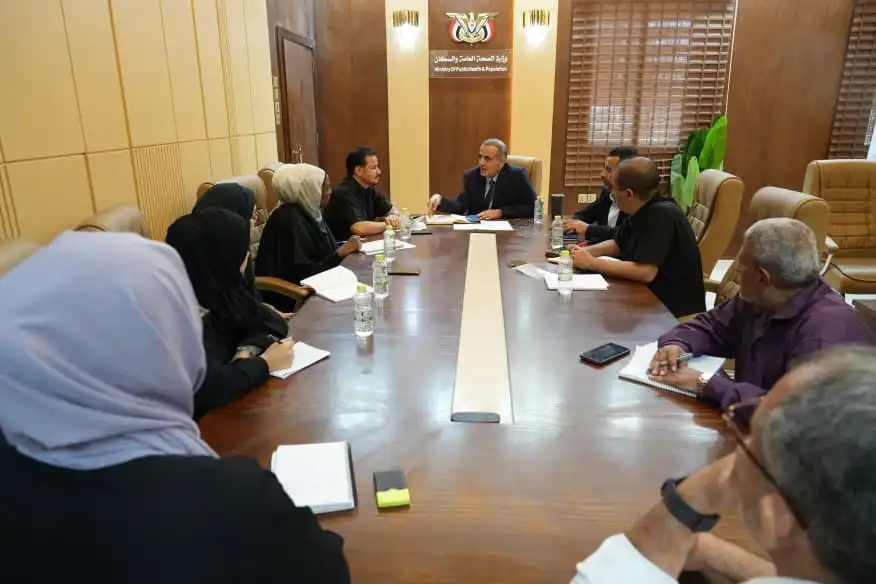
Yemen participates in the thirtieth meeting of heads of judicial inspection bodies in Arab countries.

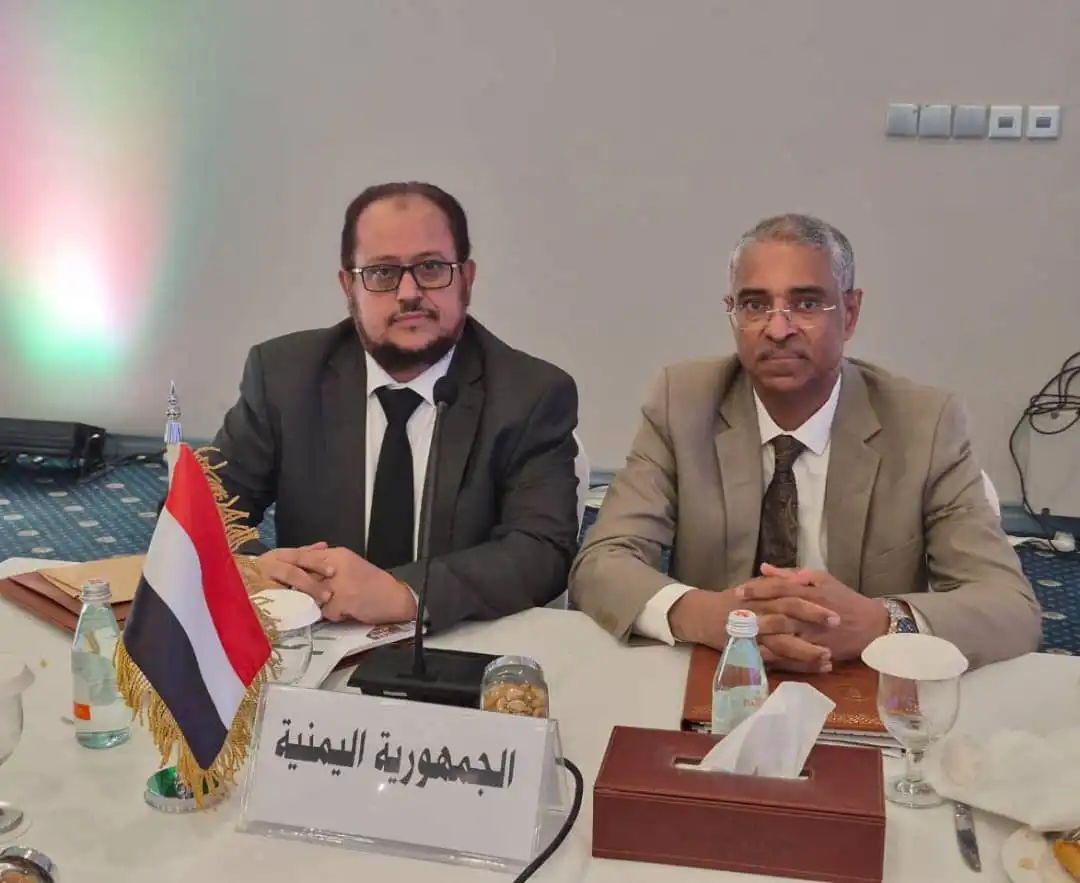
- Yemen participated in the 30th meeting of judicial inspection authorities in Oman.
- Chief Judge Nazim Baouzir emphasized the importance of experience exchange among Arab countries.
- The meeting discussed transitioning to preventive oversight and using smart technologies in legal processes.
- A proposal for a unified Arab model for evaluating judicial rulings was on the agenda.
Yemen Participates in the 30th Meeting of Judicial Inspection Authorities in Arab Countries
The Republic of Yemen participated today in the 30th meeting of heads of judicial inspection authorities in Arab countries, held in Dhofar Governorate, Oman.
Importance of Yemen’s Participation
The head of the Yemeni delegation, Chief Judge Nazim Baouzir, stated that Yemen’s participation in this meeting holds significant importance. It enhances the country’s presence in Arab judicial forums and allows for the exchange of advanced experiences in the field of judicial inspection. This collaboration aims to improve work mechanisms and elevate the standards of judicial performance.
Emphasizing Experience Exchange
Baouzir highlighted the importance of exchanging experiences among judicial inspection authorities in Arab countries. He stressed the need to keep pace with modern technological developments, particularly the use of artificial intelligence in analyzing rulings and measuring their quality. This approach aims to enhance judicial efficiency and contribute to the development of the justice system.
Opening Remarks from Oman
During the opening of the meeting, Dr. Yaqoub Al-Saeedi, head of the General Administration of Judicial Inspection at the Supreme Judicial Council of Oman, emphasized the necessity of developing oversight and evaluation tools. He called for leveraging modern technologies to achieve efficiency while maintaining judicial independence.
Presentations from Participating Countries
Participating Arab countries presented working papers that addressed the transition from traditional oversight to preventive oversight, evaluating court performance, and exploring the use of smart technologies in legal research and data processing. They also discussed challenges related to algorithmic bias and the protection and confidentiality of judicial files.
Meeting Agenda and Goals
The meeting, which includes representatives from 14 countries over two days, will discuss a proposal to prepare a unified Arab model for evaluating the quality of judicial rulings. Additionally, the agenda includes establishing a guiding framework that considers the nature of Arab judicial systems, as well as approving standards and regulations for awarding the Arab Prize for Judicial Inspection Work.
To follow the news in Arabic