Turkey Extends Short Selling Ban to Stabilize Financial Markets Amid Economic Challenges

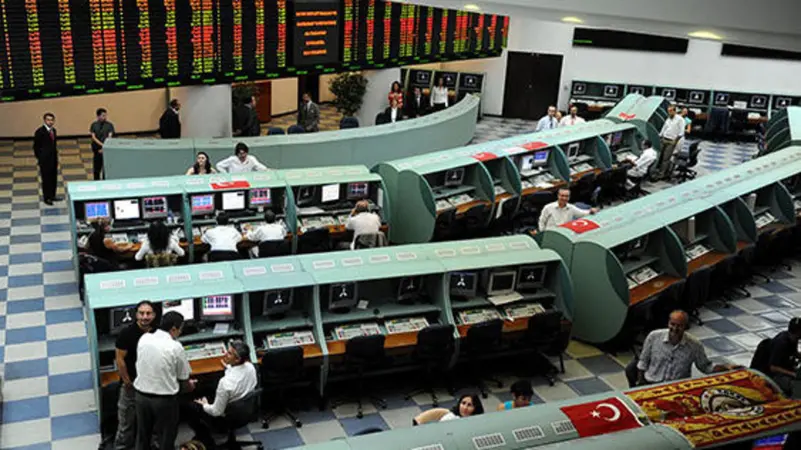
- Turkey extends the short selling ban on stocks until May 26 to stabilize markets.
- The flexible equity ratio application for margin trading has also been extended.
- The government is implementing financial and tax incentives to boost investment competitiveness.
- Ankara aims to position Istanbul as a leading financial hub in the region.
Turkey Extends Short Selling Ban Amid Market Volatility
The Turkish Capital Markets Authority has announced the extension of the short selling ban on stocks until the end of trading on May 26. This decision is intended to protect financial markets amid the ongoing volatility linked to the repercussions of the war in Iran. The continuation of this ban reflects the government’s commitment to maintaining stability in the financial sector during challenging economic times.
Flexible Equity Ratio Implementation
In conjunction with the short selling ban, the authority has also prolonged the implementation of a flexible equity ratio for margin trading. This measure, as reported by Bloomberg, is part of a comprehensive set of regulatory actions that Turkey has enacted since the onset of the conflict in Iran in late February. These efforts are designed to mitigate risks in the stock market and provide a safety net for investors.
Financial and Tax Incentives to Boost Competitiveness
The extension of the short selling ban coincides with the Turkish government’s ongoing efforts to unveil financial and tax incentives aimed at enhancing competitiveness and attracting investments. Recently, Finance Minister Mohammed Şimşek announced a strategic plan that includes:
- Expanding the tax exemption on service exports to 100%
- Targeting high-value sectors such as software, gaming, and medical tourism
- Reducing the corporate tax rate for exporting companies in manufacturing to 9% to bolster competitiveness and attract foreign direct investment
Through these initiatives, Ankara aims to enhance the investment climate and position Istanbul as a leading financial hub in the region. These measures are part of the government’s broader strategy to stabilize markets and ensure financial stability while fostering a robust economic environment.
For more details, visit the original article on Yemen TV.