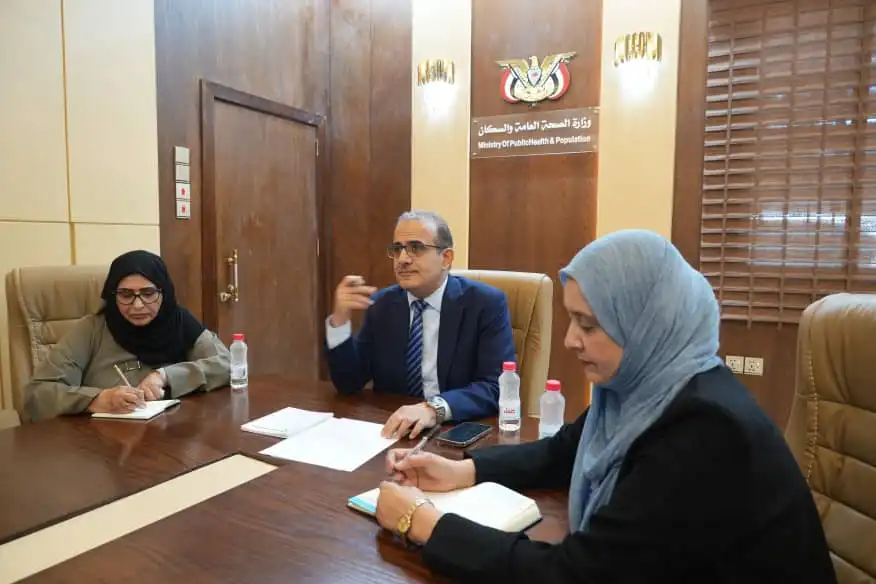
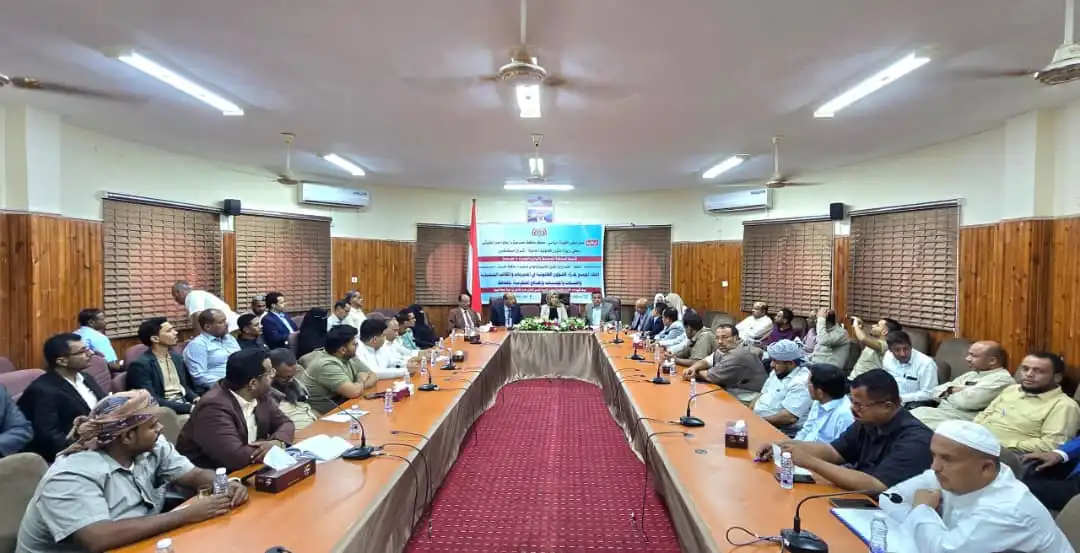
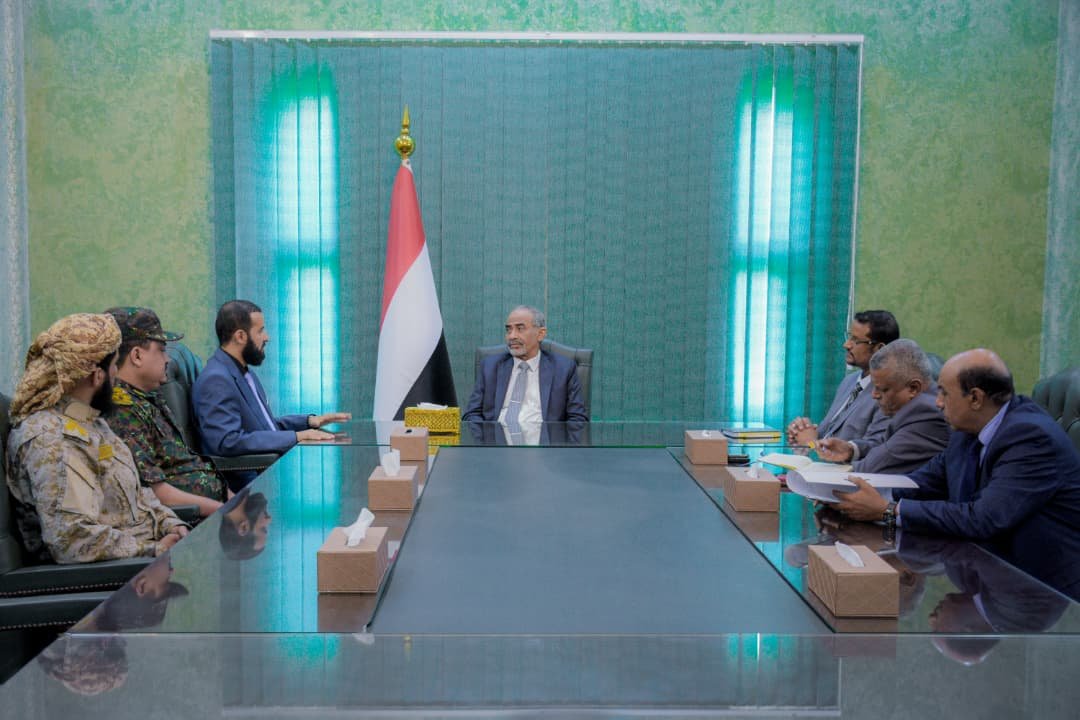
The Minister of Planning chaired the fifth meeting of the steering committee for the Economic Resilience Project in Yemen.


Minister Leads Fifth Steering Committee Meeting on Economic Resilience Project in Yemen
In a significant development for Yemen’s economic landscape, Dr. Waed Badhieb, the Minister of Planning and International Cooperation, chaired the fifth meeting of the steering committee for the Economic Resilience Project in the temporary capital, Aden. This project, funded by the European Union and implemented by the Organisation for Economic Co-operation and Development (OECD), aims to bolster Yemen’s economic stability.
Review of Project Activities and Future Plans
The meeting included key figures such as Dr. Nizar Bashihab, Deputy Minister of Planning; Salman Al-Wali, Deputy Minister of Industry and Trade; and Dr. Mohammed Banajeh, Deputy Governor of the Central Bank. Participants reviewed the activities and projects executed during the project’s initial phase. They also discussed the core components of the second phase and identified key priorities for 2026.
Strengthening Economic Sustainability
Minister Badhieb praised the European Union’s interventions and the OECD’s support. He emphasized that the second phase of the project would provide a new impetus for Yemen’s economy. This phase aims to enhance financial sustainability, develop public resources, and improve governance in public financial management. Badhieb highlighted the importance of training programs and international expertise in boosting the efficiency of financial institutions and expanding revenue sources.
Promoting Public-Private Partnerships
The Minister stressed the need to strengthen dialogue and partnerships with the private sector, particularly in renewable energy, food security, supply chains, and infrastructure through Public-Private Partnerships (PPP). He noted that the government is currently working on developing investment laws and a partnership policy with the private sector, supported by the World Bank. Additionally, efforts to enhance regulatory efficiency, combat corruption, and promote integrity, transparency, and accountability are underway.
Collaborative Efforts to Overcome Challenges
Badhieb explained that the Yemeni government is making significant efforts, in collaboration with regional and international partners, to address economic, social, humanitarian, and institutional challenges. The focus remains on activating state institutions, improving financial and economic performance, and restoring essential services like electricity, education, and healthcare. The government also aims to rebuild infrastructure, alleviate poverty and unemployment, and enhance the business environment.
EU’s Continued Support for Yemen
The EU’s program director reaffirmed the union’s long-standing partnership with Yemen, highlighting its ongoing support in food security, governance, and economic development. She commended the comprehensive reforms recently adopted by the Yemeni government and its policy of engaging the private sector. The EU expressed its readiness to strengthen communication and partnership in support of Yemen’s priority reform plan.
This meeting marks a crucial step in Yemen’s journey toward economic resilience and stability, with collaborative efforts paving the way for a brighter future.
To follow the news in Arabic