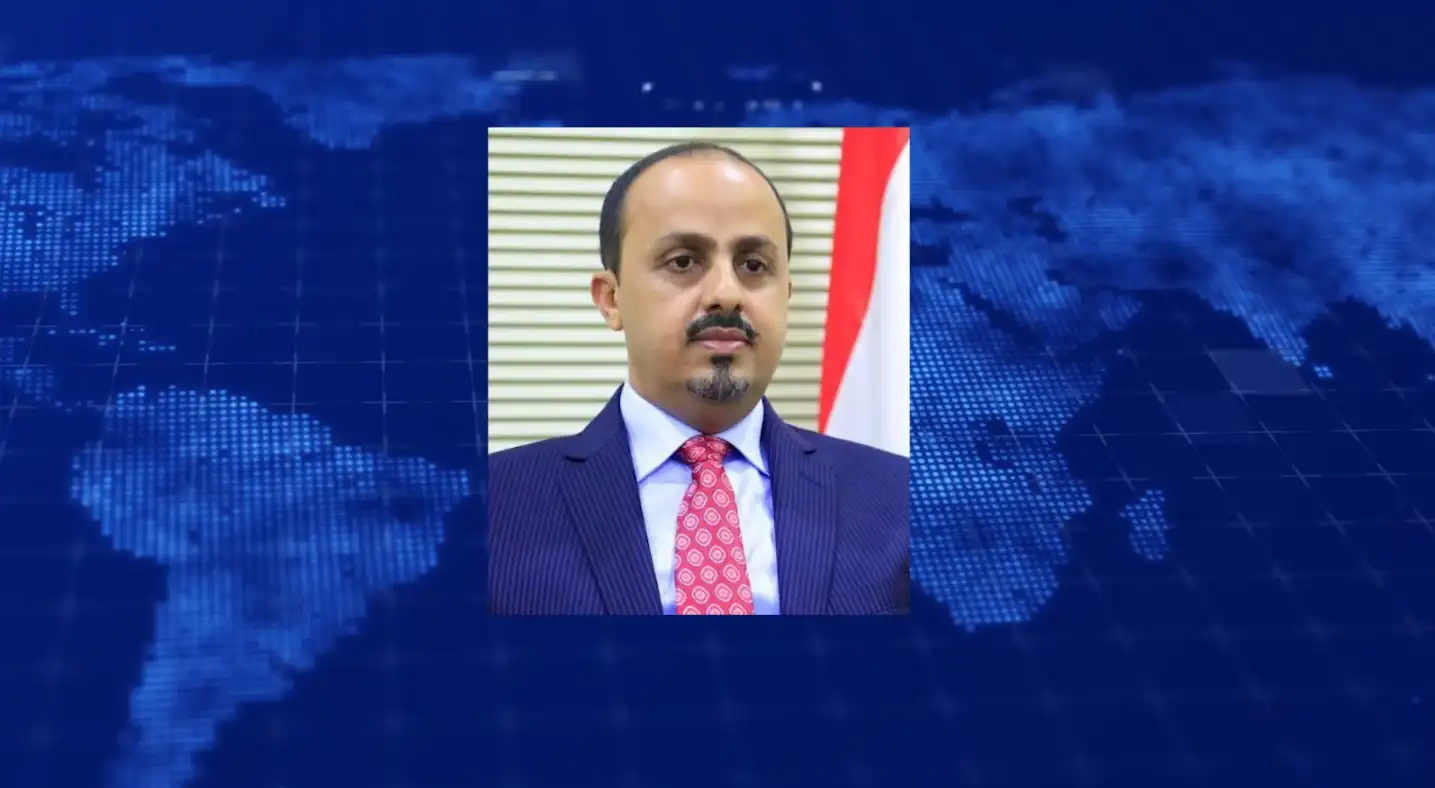
The Minister of Information stated that Yemeni tribes are an integral part of the national fabric and partners in state-building.

- Yemeni tribes are vital to the national identity and state-building efforts.
- Minister Al-Eryani challenges Houthi claims to represent Yemeni tribes' interests and dignity.
- Tribal leaders face ongoing violations and threats from the Iran-backed Houthi militia.
- Houthi militia exploits poverty to recruit young individuals for conflict front lines.
Yemeni Minister of Information Emphasizes the Role of Tribes in National Identity
Minister of Information Muammar Al-Eryani stated that the Yemeni tribe, with its rich history, authentic traditions, and deep-rooted values of honor, nobility, and protection of the vulnerable, plays a crucial role in the nation.
Tribes as Pillars of State and Revolution
Al-Eryani explained that tribes have always served as a fundamental support for the state, revolution, and republic. They have made significant sacrifices in defense of the homeland and the achievements of the Yemeni people. He emphasized that tribes do not belong to any group, nor do they serve as tools for authorities, fuel for wars, or bargaining chips in political negotiations. Their historical significance and national and social roles transcend any political or military agenda.
Houthi Claims to Represent Tribes Challenged
The minister asserted that the Iran-backed Houthi militia has no right to speak on behalf of the Yemeni tribes or claim to represent and defend their dignity and status. He pointed to the militia’s dark record against Yemeni tribes, as documented by human rights reports and tribal testimonies. This record includes targeting tribal leaders and elders, committing murder, kidnapping, and abuse against those who resist their demands, and undermining the social fabric in regions such as Sana’a, Amran, Dhamar, Saada, Hajjah, Al-Mahwit, Al-Bayda, and others.
Ongoing Violations Against Tribal Leaders
Al-Eryani highlighted the repeated violations faced by tribal leaders and elders, aimed at weakening tribal references and stripping them of their independent decision-making. The militia seeks to exploit their human and social resources to further its political and military objectives.
Recent Incidents Raise Concerns
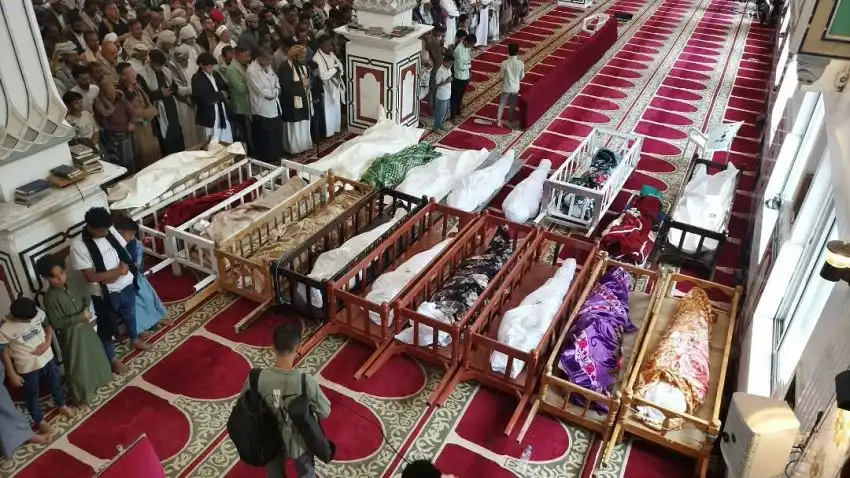
The minister referred to the killing of Sheikh Abdulqawi Ghanem in his home, which has raised accusations against the militia for responsibility. This incident brings to light a series of violations attributed to the Houthis against tribal leaders and elders. Al-Eryani called for investigations and accountability, raising serious questions about the militia’s treatment of independent tribal references and its willingness to respect their social status and right to make decisions free from coercion and threats.
Houthi Attempts to Restructure Tribal Dynamics
Reports and local testimonies document the Houthi militia’s efforts to reshape tribal structures to serve its influence. This includes weakening traditional social references, creating parallel centers of power, and empowering loyal figures at the expense of historically significant leaders. The militia uses weapons, privileges, and economic pressures to rearrange power dynamics within tribes.
Exploitation of Poverty for Recruitment
Al-Eryani noted that the Houthi militia has exploited poverty and need to recruit young people and push them to the front lines of conflict. This tactic threatens the independence of tribal decision-making and weakens social solidarity and mutual support.
True Defense of Tribal Values
The minister asserted that genuine defense of the tribe does not come from slogans or claims of representation. Instead, it requires respecting tribal leaders and elders, safeguarding the dignity of its members, protecting peaceful civil gatherings, and preserving authentic traditions, including solidarity and mutual aid. He emphasized the rejection of turning youth into fuel for battles or exploiting their living conditions to impose loyalties.
The Independence of Yemeni Tribes
Al-Eryani affirmed that the Yemeni tribe is not a pawn in the hands of any armed group. Its will cannot be confiscated, nor can its social ties be used to serve projects that do not reflect the free choices of its members.
Importance of National Partnership
The minister stressed the need to enhance national partnership between state institutions and Yemeni tribes based on mutual respect, the rule of law, and equal citizenship. He underscored the importance of preserving the tribe’s status, independence, and role in maintaining social peace.
Tribes as Integral to National Fabric
Al-Eryani concluded that Yemeni tribes, with their leaders, elders, men, women, and youth, will remain an essential component of the national fabric and a partner in building state institutions and establishing security and stability. He noted that Yemeni tribes existed before transient projects and will continue to thrive, rooted in their heritage, dignified in their honor, and independent in their will, resistant to monopolization and confiscation.
To follow the news in Arabic