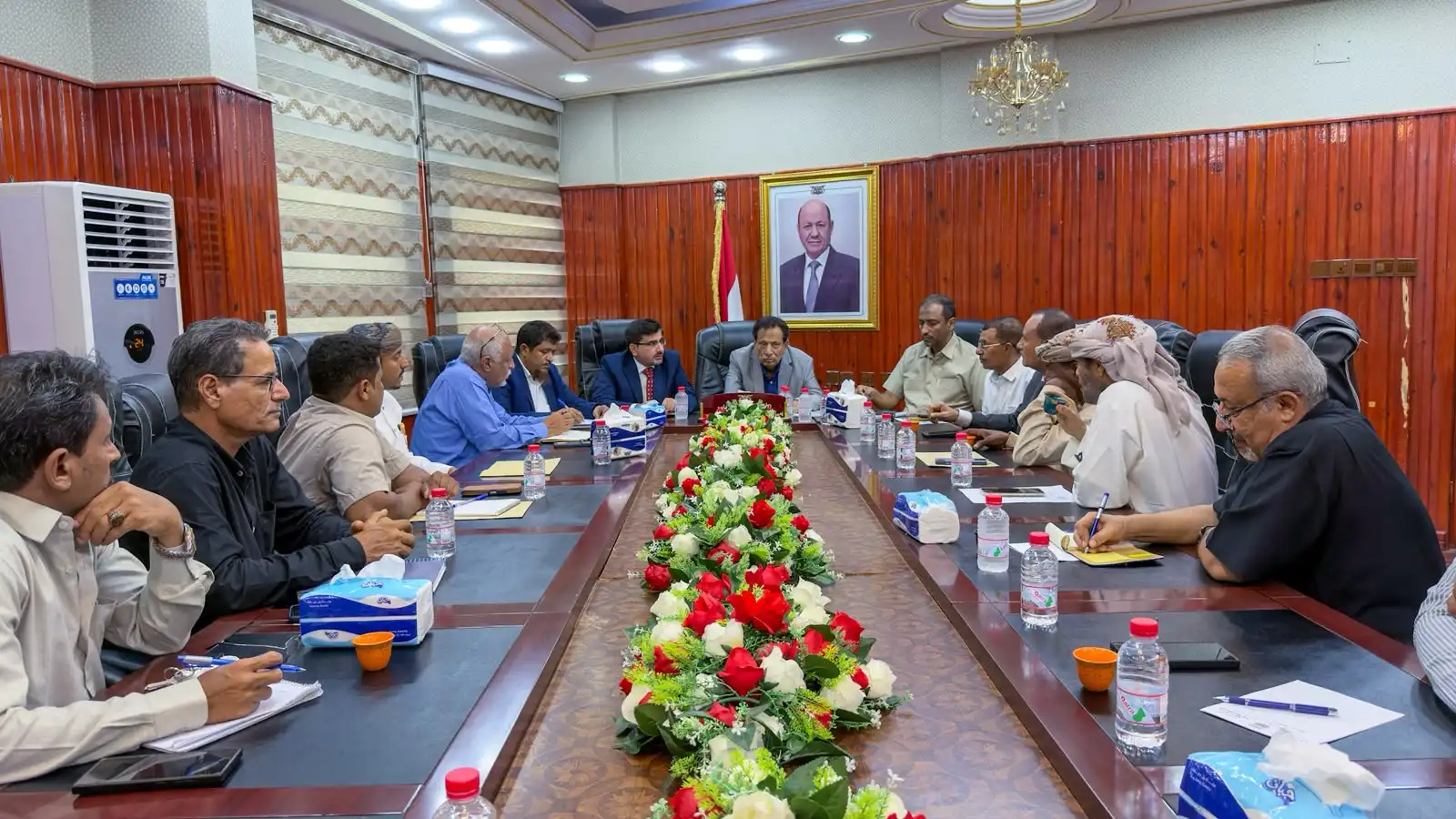
The Minister of Health discusses with the World Food Program enhancing nutritional interventions and combating malnutrition in Yemen.

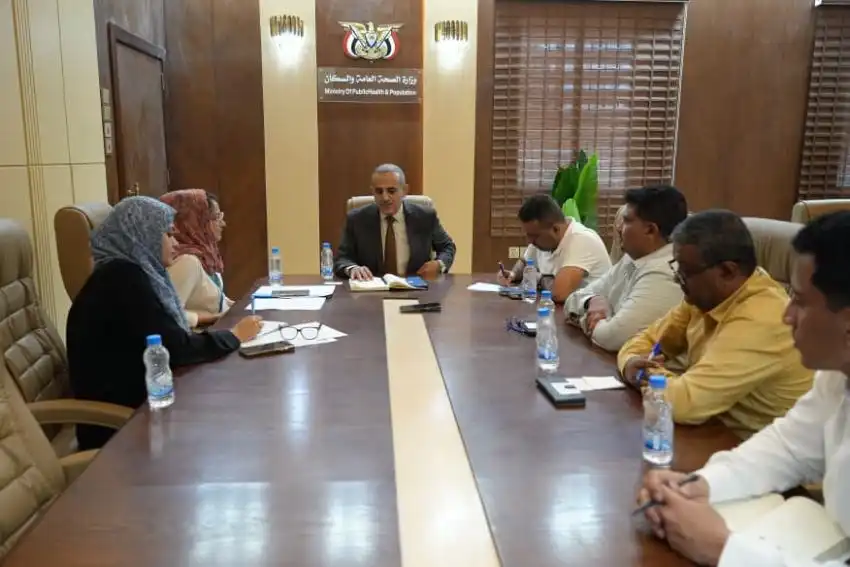
- Minister of Public Health Discusses Nutritional Interventions with World Food Programme Dr.
- Strengthening Partnerships for Better Nutrition Dr.
- Prioritizing Malnutrition as a Health Concern Dr.
- Commitment from the World Food Programme Samantha Sharag reaffirmed the World Food Programme's commitment to continue coordinating and collaborating with the ministry.
Minister of Public Health Discusses Nutritional Interventions with World Food Programme
Dr. Qassem Baheeb, the Minister of Public Health and Population, met today in the temporary capital of Aden with Samantha Sharag, the Deputy Country Director for Operations at the World Food Programme in Yemen. They discussed ways to enhance nutritional interventions and expand responses to current health and food needs, focusing on the most vulnerable areas and populations at risk of malnutrition.
Current Nutritional Situation in Yemen
The meeting addressed the current nutritional situation in Yemen, emphasizing the importance of intensifying efforts and expanding preventive and therapeutic programs. They highlighted the need for improved coordination between health authorities and international organizations to ensure that services reach the targeted groups.
Strengthening Partnerships for Better Nutrition
Dr. Baheeb stressed the importance of strengthening partnerships with the World Food Programme and developing nutritional interventions that align with existing needs. He called for directing support to the most needy areas and expanding early detection services for malnutrition, as well as therapeutic interventions. Additionally, he emphasized the need for nutrition awareness programs, particularly for mothers and children, to reduce health complications and improve nutritional indicators.
Prioritizing Malnutrition as a Health Concern
Dr. Baheeb noted that addressing malnutrition represents a health and humanitarian priority. He advocated for transitioning to more integrated and sustainable interventions that connect primary healthcare services with nutrition programs and maternal and child health. He also called for enhanced coordination mechanisms and resource allocation based on actual needs to ensure an efficient response and a tangible impact on population health.
Commitment from the World Food Programme
Samantha Sharag reaffirmed the World Food Programme’s commitment to continue coordinating and collaborating with the ministry. She emphasized the importance of enhancing nutritional interventions according to field priorities and needs, with special attention to the most vulnerable areas and affected populations. This approach aims to improve the nutritional situation and reduce the risks of malnutrition, especially among children and women.
Collaborative Efforts for Effective Programs
Sharag highlighted the significance of integrating efforts between the ministry, the programme, and humanitarian and health partners. She stressed the need for information exchange and jointly identifying priorities to enhance the effectiveness of nutritional programs and expand access to services for beneficiaries.
To follow the news in Arabic