The Governor of Taiz discusses the implications of the Houthi blockade with the UN Under-Secretary-General for Humanitarian Affairs.

- Deteriorating Humanitarian Conditions During the video call, Shamsan outlined the worsening humanitarian situation in Taiz due to the ongoing blockade imposed by Houthi militias.
- Economic Impact of the Siege The governor pointed out that the continued siege disrupts supply chains, drives up food prices, reduces families' purchasing power, and threatens food stockpiles.
- Violations by Houthi Militias The governor also addressed the violations and practices committed by Houthi militias in the districts under their control.
- He called for expanding humanitarian interventions to match the scale of needs.
Governor of Taiz Discusses Humanitarian Crisis with UN Official
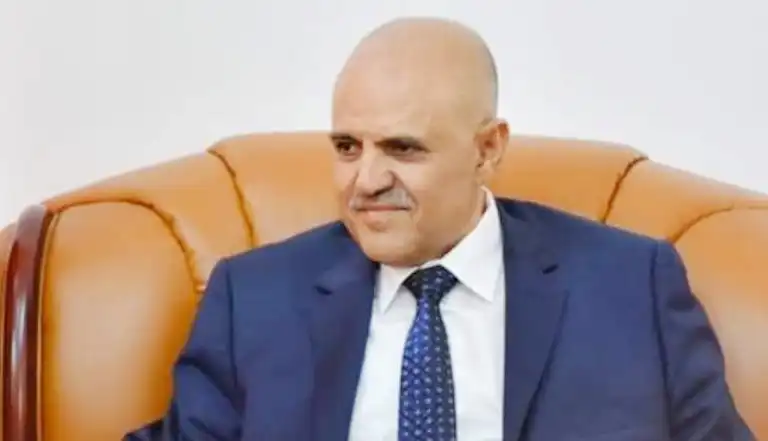
Governor of Taiz, Nabil Shamsan, held a virtual meeting today with Tom Fletcher, the UN Under-Secretary-General for Humanitarian Affairs and Emergency Relief Coordinator. They discussed the implications of the Houthi siege on the city of Taiz and explored ways to enhance humanitarian responses and intensify relief interventions to alleviate the suffering of the population.
Deteriorating Humanitarian Conditions
During the video call, Shamsan outlined the worsening humanitarian situation in Taiz due to the ongoing blockade imposed by Houthi militias. He highlighted the closure of roads and entry points, as well as the restrictions on the import of food, medicine, and fuel.
Shamsan explained that these restrictions allow only limited quantities of essential goods to enter, which fail to meet the basic needs of over one million six hundred thousand residents, including around twelve thousand displaced families within the city. He noted that the blockade extends beyond road closures and the prevention of goods flow, affecting various aspects of daily life.
Economic Impact of the Siege
The governor pointed out that the continued siege disrupts supply chains, drives up food prices, reduces families’ purchasing power, and threatens food stockpiles. Additionally, the blockade exacerbates the fuel crisis, impacting the operation of hospitals, health facilities, water pumping stations, sewage systems, transportation, and public services.
Shamsan warned that these conditions jeopardize health and nutrition services, limit patients’ access to medical care, and increase the suffering of vulnerable groups, particularly children, women, the elderly, and the displaced. He also mentioned the adverse effects on education, economic activities, and citizens’ sources of income.
Violations by Houthi Militias
The governor also addressed the violations and practices committed by Houthi militias in the districts under their control. These include the imposition of their ideologies by force, interference in social and cultural fabrics, child recruitment, and intimidation of citizens.
Call for International Action
Shamsan emphasized the importance of the United Nations and the international community fulfilling their humanitarian and moral responsibilities towards the people of Taiz. He urged for increased pressure to ensure the unconditional opening of roads, the establishment of a safe and sustainable humanitarian corridor for the entry of food, medicine, and relief aid, and the secure flow of essential goods and fuel. He called for expanding humanitarian interventions to match the scale of needs.
UN Commitment to Addressing the Crisis
In response, Tom Fletcher reaffirmed that alleviating the humanitarian crisis in Yemen, particularly in Taiz, remains a priority for the United Nations. He explained that arrangements are underway to coordinate a UN food and medical aid convoy to Taiz as part of efforts to deliver assistance and ease the suffering of the population.
Fletcher noted that he had listened to briefings on the humanitarian situation in Taiz during meetings in the temporary capital, Aden, with representatives from international and local organizations. He confirmed his intention to highlight the scale of the humanitarian disaster in Taiz during discussions with international stakeholders and partners, aiming to mobilize necessary funding and enhance international support.
Importance of Coordination
The meeting underscored the importance of ongoing coordination and communication between local authorities and the UN Office for the Coordination of Humanitarian Affairs, as well as international organizations. This collaboration aims to expedite the delivery of aid, expand humanitarian interventions, and ensure assistance reaches those most in need.
To follow the news in Arabic