Syrian Elections in Kurdish Regions: A Step Towards Representation in the People’s Council

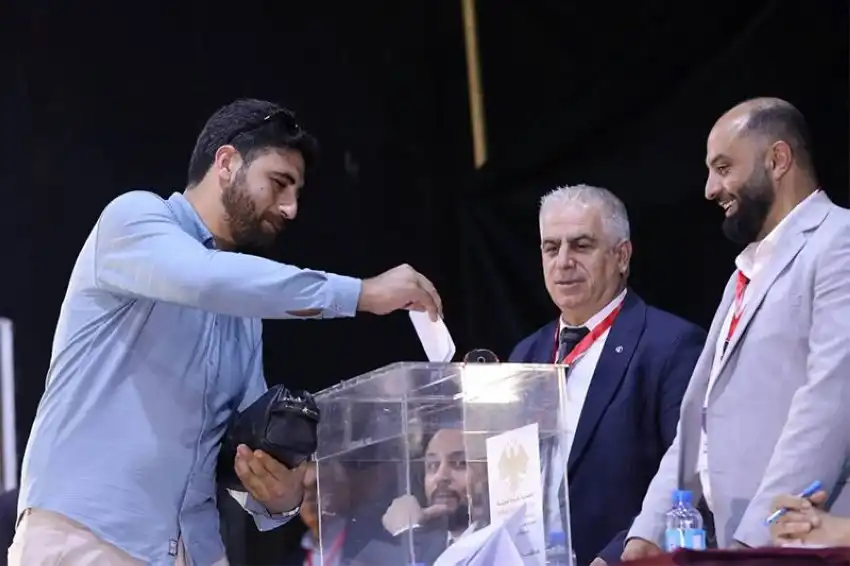
- Syrian authorities conducted elections in predominantly Kurdish regions on Sunday.
- Voting occurred in Hasakah and Qamishli districts, and Ayn al-Arab in Aleppo.
- Elections are part of an agreement between Damascus and the Syrian Democratic Forces.
- seats remain vacant due to security concerns in Hasakah, Raqqa, and Sweida.
Syrian Authorities Conduct Elections in Kurdish Regions
On Sunday, Syrian authorities held elections in predominantly Kurdish areas located in the northeast of the country. The elections were designed to select representatives as part of the ongoing formation of the People’s Council. Notably, the province of Sweida was excluded from this electoral process.
Election Details
According to the Syrian Arab News Agency (SANA), voting occurred in the districts of Hasakah and Qamishli within Hasakah province, as well as in the Ayn al-Arab district in the countryside of Aleppo. During these elections, voters selected nine members. Additionally, in the Malikiya district, two seats were filled through acclamation, as only two candidates stood for election.
Political Background and Council Formation
This election is part of a broader agreement reached in January between Damascus and the Syrian Democratic Forces (SDF). The agreement aims to integrate civil, military, and security institutions in northeastern Syria into the official government structure, with the goal of enhancing stability and achieving a balanced governance approach in the region.
In October, the Higher Election Committee announced that 119 members had been selected out of a planned total of 140, with elections conducted through regional bodies. However, 21 seats remain unfilled in the provinces of Hasakah, Raqqa, and Sweida due to ongoing security concerns, as reported by the committee.
The People’s Council is designed to consist of 210 members, with two-thirds being elected through electoral bodies established by a higher committee appointed by President Ahmad al-Shara. The remaining third, totaling 70 members, will be directly appointed by the president. This appointment process has yet to be completed, reflecting the government’s ongoing commitment to achieving comprehensive representation across all regions.
For more information, visit Yemen TV.