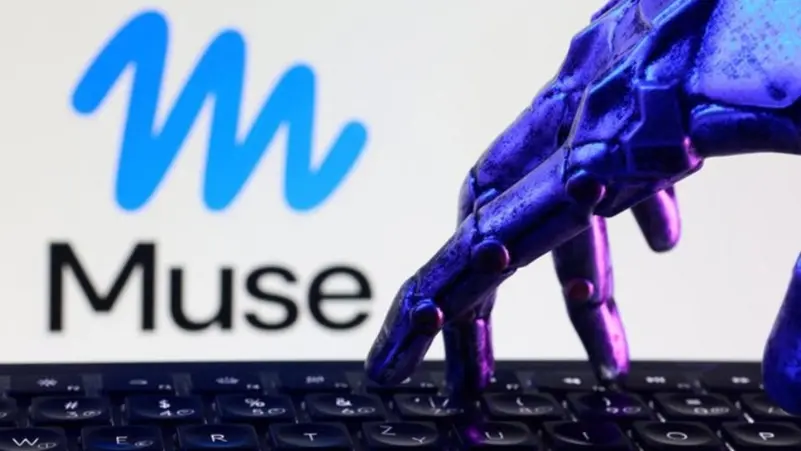
Study: Frequent interaction with chatbots may make humans more similar to machines.


- A study reveals AI chatbots may lead humans to exhibit more mechanical behavior.
- The term "robotoid humanness" describes consumers adapting to the logic of machines.
- The transformation process includes three stages of adapting to chatbot interaction.
- Researchers warn this shift could affect self-perception and communication skills.
New Study Reveals Alarming Effects of AI Chatbots on Human Behavior
A recent study highlights a concerning trend regarding the increasing use of artificial intelligence tools like ChatGPT and Claude. The research indicates that chatbots not only influence how humans communicate but may also gradually lead them to behave in a more mechanical manner, resembling the behavior of these AI models.
Robotoid Humanness: A New Concept
Published in the journal AI & Society, the study introduces the term “robotoid humanness.” This concept describes a shift where consumers become more fluent, precise, and socially aligned as they adapt to the rhythm and logic of machines.
The core idea is simple:
The closer robots become to humans, the closer humans become to robots.
The Transformation Process: Three Stages
According to the model proposed in the study, the process of “robot-like behavior” unfolds in three stages:
- Entering an Artificial Social Reality that imposes a new communication obligation.
- The chatbot captures the user’s identity through a “distorted reflection” based on statistical analysis.
- The user gradually adapts to this reflection, becoming more aligned with the chatbot’s style.
As interactions repeat, both the robot and the user learn from each other, creating a mutual influence.
Why This Shift is Concerning
Researchers warn that this transformation could impact several areas:
- Self-perception
- Sense of self-worth
- Communication with others
- Behavior in work and service environments
As AI becomes more prevalent in customer service, understanding this impact becomes a moral and technical necessity.
Legal and Regulatory Background
This study emerges at a time when companies like Google and OpenAI face lawsuits alleging that chatbots have caused significant psychological harm to users. Consequently, the U.S. Congress is exploring new regulations for artificial intelligence.
Chinese Models Underperform
According to a report by Translucent, Chinese AI models exhibit higher rates of promoting delusional thinking and rarely direct users to human support, in contrast to their Western counterparts.
The implications of this research underscore the need for careful consideration of AI’s role in society and its potential effects on human behavior. As technology continues to evolve, maintaining a balance between innovation and ethical responsibility remains crucial.
To follow the news in Arabic