President Alimi Reiterates Commitment to Resolving Detainee Issues

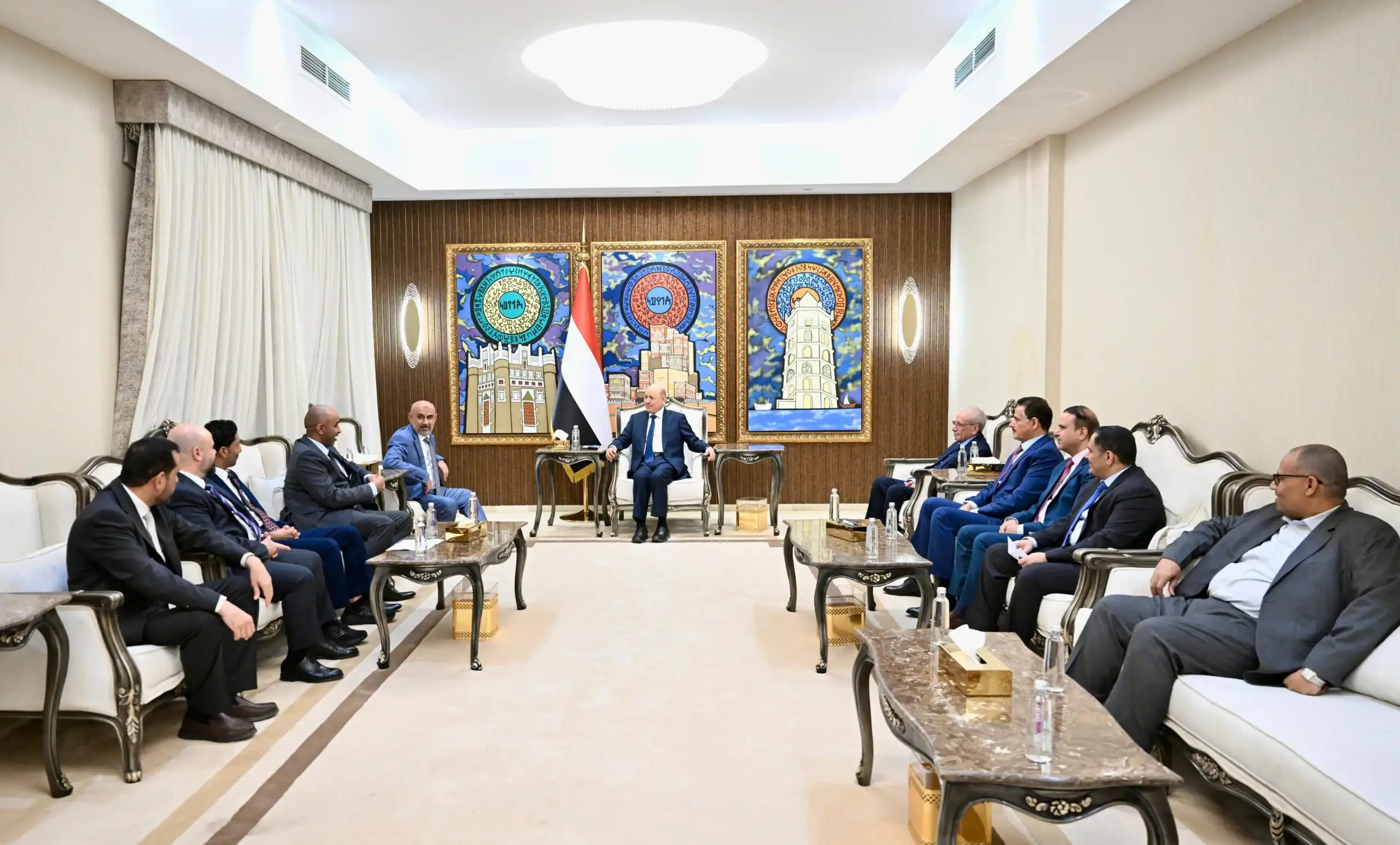
- President Alimi met with the government negotiation team on the detainee issue.
- An agreement was reached to release 1,750 detainees and abductees in recent negotiations.
- Alimi emphasized the Yemeni state's commitment to resolving the detainee issue fully.
- Gratitude was expressed for regional support from Saudi Arabia and Jordan during negotiations.
Meeting with the Government Negotiation Team
On Monday, President Dr. Rashad Mohammed Alimi, the head of the Presidential Leadership Council, convened with the government negotiation team focused on detainees, led by team head Hadi Haij. This meeting served to review the latest developments concerning detained individuals in Yemen.
Overview of Recent Negotiations
During the meeting, President Alimi received an update on recent negotiations conducted in Amman, Jordan, under the auspices of the United Nations. These discussions culminated in an agreement for the release of 1,750 detainees and abductees, marking a vital step in addressing the ongoing humanitarian crisis.
Acknowledgment of Humanitarian Agreement
The President commended the humanitarian agreement, congratulating the families of the detained and missing individuals on this crucial development. He emphasized that resolving this issue is both a humanitarian and national priority.
Recognition of the Negotiation Team’s Efforts
Alimi praised the national spirit and humanitarian approach displayed by the negotiation team, acknowledging the significant impact of this issue on thousands of Yemeni families. He affirmed that the agreement represents a beacon of hope, underscoring the potential for responsible efforts to yield meaningful outcomes despite the complexities involved.
Commitment to Resolving the Detainee Issue
During the discussion, President Alimi reiterated the Council’s commitment to fully address the humanitarian plight surrounding detainees and enforced disappearances in Yemen. He called for expedited implementation of the agreement, emphasizing the need for careful adherence to the established mechanisms and timelines to alleviate the suffering of families involved.
Building Trust for Future Progress
Alimi articulated that successful resolution of the detainee issue could enhance public trust in the potential for progress in other areas, aligning with the aspirations of the Yemeni people for peace, stability, and the restoration of state institutions.
Gratitude for Regional and International Support
The President expressed his gratitude for the unwavering support from the Kingdom of Saudi Arabia, which he credited with playing a vital role in facilitating this milestone. He also acknowledged the Hashemite Kingdom of Jordan for hosting the extensive consultations that enabled productive negotiations.
Additionally, President Alimi recognized Oman’s constructive role in the early stages of consultation, applauding the efforts of the UN Special Envoy to Yemen, the supervisory committee overseeing the implementation of the agreement, and the International Committee of the Red Cross for their humanitarian contributions.
Urgent Attention to Specific Cases
President Alimi underscored the importance of verifying the status of activist Mohammed Qahtan, labeling it a top priority for the state. He stressed the necessity for his immediate and unconditional release, in accordance with UN Security Council resolutions.
Support for Future Negotiations
Alimi committed to ensuring that the negotiation team receives the necessary resources for the next phase of implementation, aspiring for the comprehensive release of all detainees based on a “all for all” principle. He also highlighted the plight of humanitarian workers and UN personnel unjustly detained by Houthi militias, reaffirming that addressing this matter remains a high priority for the state.
Call for Ongoing Advocacy
The President urged the government negotiation team to persist in advocating for the detainees across various platforms, reinforcing the state’s dedication to resolving this urgent humanitarian crisis.