Life for displaced individuals in Aden camps: ongoing suffering and a harsh reality.

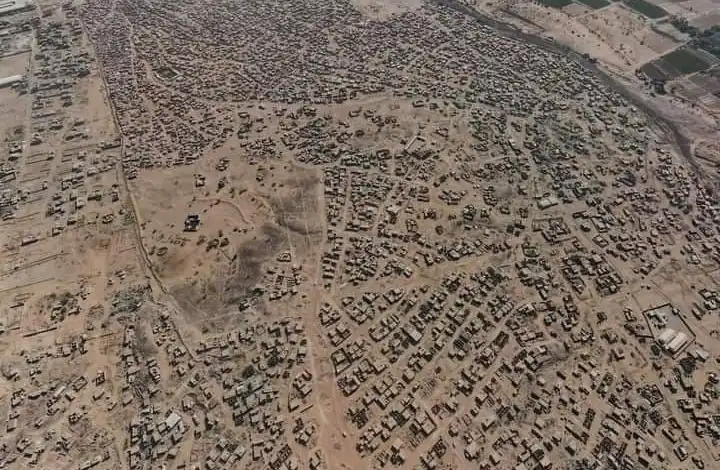
- Thousands of displaced individuals in Aden live in makeshift shelters lacking basic protection.
- Approximately 76% of displaced families in Aden face food shortages and poor dietary diversity.
- Children constitute 45% of the displaced population, with many unable to attend school.
- Most displaced families see no chance of returning home due to ongoing security concerns.
Life of Displaced Persons in Aden Camps: Ongoing Struggles and Harsh Realities
Displacement Crisis in Yemen
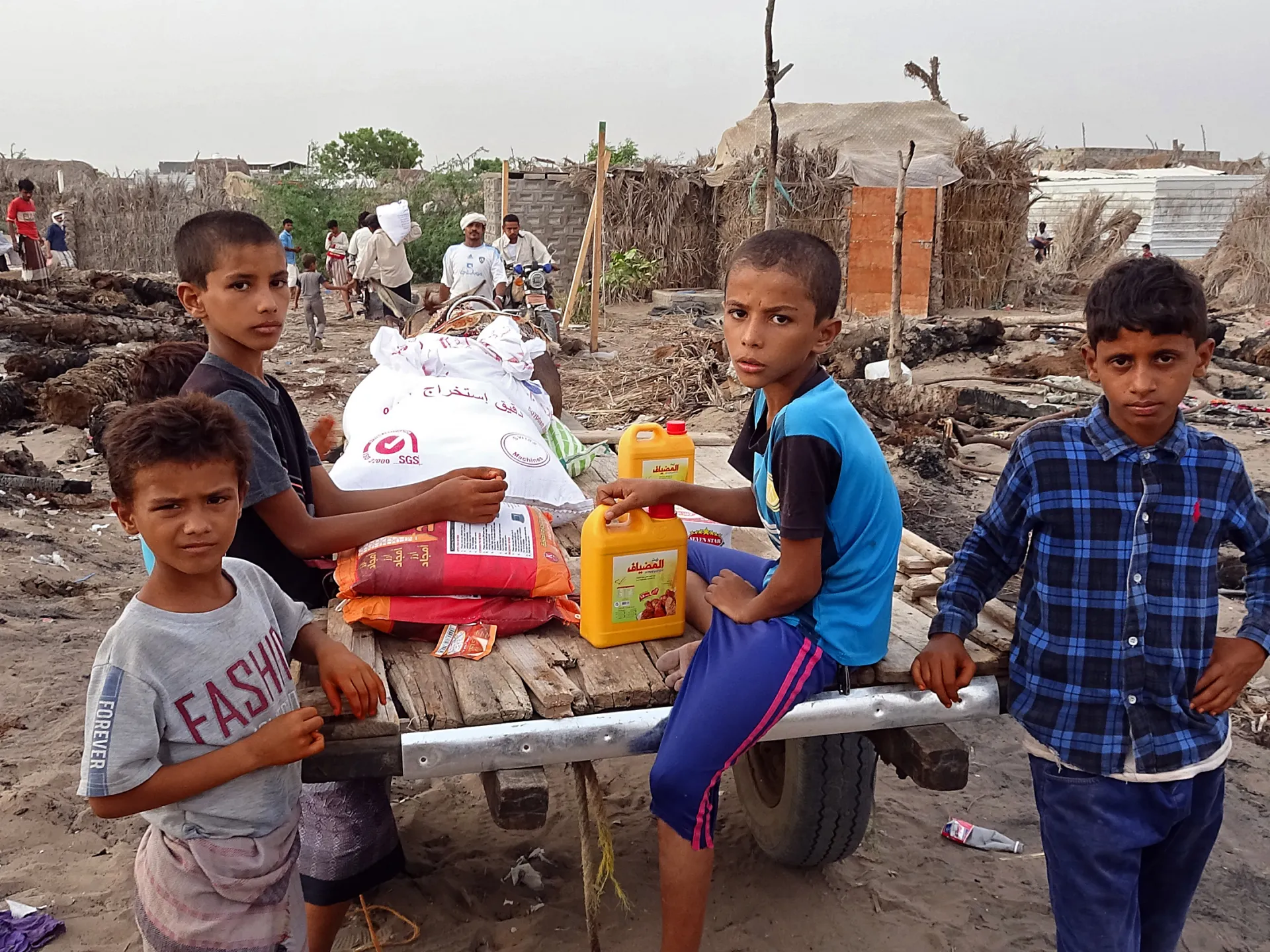
On the outskirts of Aden, fragile shelters crowd together. These structures, unlike traditional tents, consist of palm fronds, remnants of fabric, and plastic, all tied to sun-bleached wooden poles. Thousands of displaced individuals live in these cramped spaces year after year, uncertain of when their plight will end.
Yemen currently hosts 4.5 million internally displaced persons (IDPs), with over 3 million residing in government-controlled provinces. Among them, half a million live in camps. Marib hosts the largest number, followed by Taiz, Aden, Hodeidah, and Hadramout. However, these statistics alone fail to capture the full extent of the tragedy.
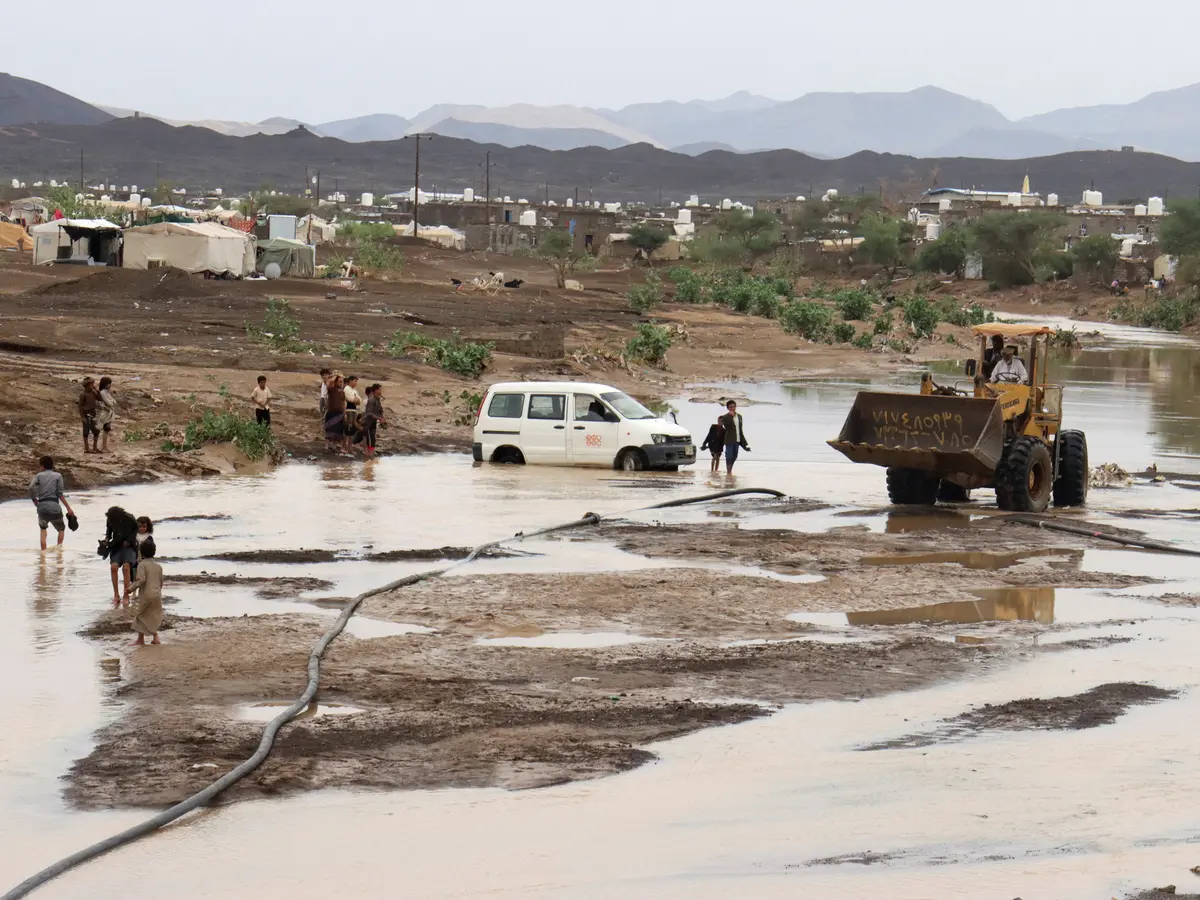
In Aden’s camps, the crisis manifests through inadequate shelter, persistent hunger, untreated illnesses, and children out of school. Under the scorching sun, barefoot children navigate narrow dirt paths while families sit inside homes that offer little protection from the summer heat or winter rains.
Harsh Living Conditions in Unsafe Shelters
Inside one of these makeshift shelters, a displaced person points to gaps in the roof that allow sunlight, dust, and rain to enter. He states, “We call it a shelter, but it offers no protection from heat, dust, or rain.” These homes, constructed from palm fronds and tattered fabric, fail to safeguard against snakes and scorpions. Families also suffer from a lack of sanitation and accumulating waste.
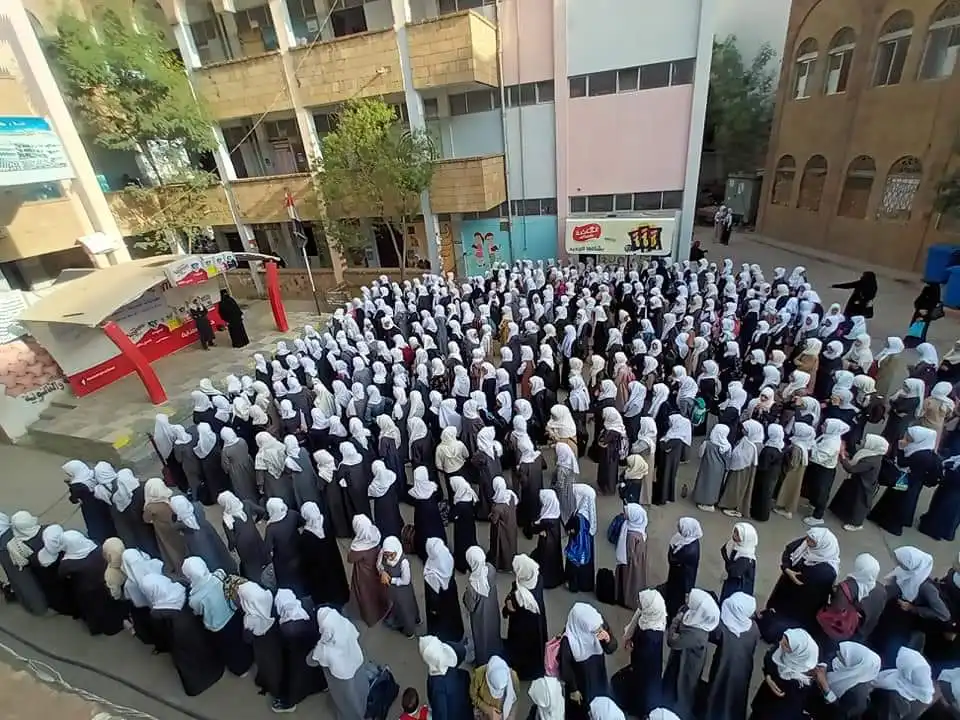
Children make up about 45% of the total displaced population, many of whom do not attend school. This absence is not due to a lack of desire but rather because their families cannot afford food or educational expenses. Some children resort to collecting plastic to help support their families.
Basic Needs and Ongoing Suffering
Displaced families rely on water tanks provided through individual initiatives. Reports reveal that 76% of these families lack sufficient food, and 87% of the camps experience poor dietary diversity. These figures highlight a daily struggle for water and food.
In addition to hunger and illness, some displaced individuals face inflammatory rhetoric that portrays them as a demographic threat, according to a human rights report. This situation exacerbates their suffering, as many patients struggle to access medical treatment.
Lost Hope of Return
Despite the harsh realities, many families see no possibility of returning home. Their houses lie in ruins, security concerns persist, and income sources are nonexistent. One displaced individual expresses the sentiment, “We want to return, but to where?”
Caught between inadequate shelter and a distant home they cannot return to, the lives of thousands of displaced persons hang in a state of limbo. Years pass, children grow older, and the makeshift shelters deteriorate, while the hope for a safe and dignified return remains indefinitely postponed.
For more information, visit Yemen TV.
To follow the news in Arabic