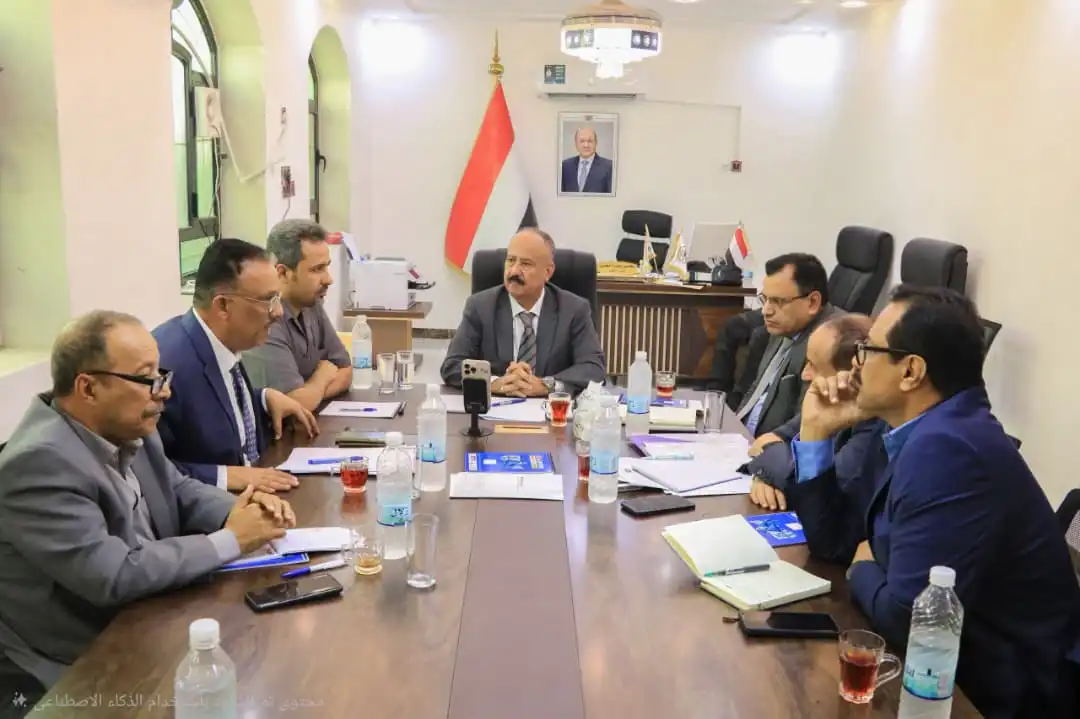
Dr. Abdullah Al-Alimi told The Guardian that the Houthi militia has evolved from a domestic threat to a regional and international one.


Houthi Militias Evolve into Regional and Global Threat, Says Yemeni Official
Dr. Abdullah Al-Alimi, a member of the Presidential Leadership Council, recently addressed the growing concerns surrounding the Houthi militia. He stated that the group has shifted from being a mere internal threat to a significant regional and international menace to global security and the economy.
Iranian Flights Violate Yemeni Sovereignty
In an interview with the British newspaper The Guardian, Dr. Al-Alimi condemned Iranian flights to Yemen as unacceptable violations of the country’s sovereignty. He emphasized that these flights transport Iranian experts to assist the Houthis, rather than serving any humanitarian purpose.
Houthi Weakness Amid External Pressures
Dr. Al-Alimi pointed out the current vulnerabilities of the Houthi militia, contrasting their present situation with their previous strength. He attributed this decline to various internal and external factors, including the weakening support from Iran, which has long backed the group.
A Call for Restoration of State Authority
He expressed optimism about the possibility of ending the Houthi coup and restoring the Yemeni state and its institutions. Dr. Al-Alimi believes that this restoration is crucial for regional and global stability, as well as for securing vital maritime routes and protecting the global economy.
Challenges in Negotiating with the Houthis
The council member highlighted the Houthis’ obstinate stance during repeated negotiation attempts. “We have tried to negotiate with the Houthis multiple times, but these efforts have yielded little,” he remarked. He noted a strategic shift in the Houthis’ influence, stating that they now pose a regional and international threat due to their threats to maritime routes in the Red Sea and Bab al-Mandab.
Conditions for Future Agreements
Dr. Al-Alimi stressed that any future agreements with the Houthis must recognize the state’s monopoly on weapons and the necessity for the legitimate government to regain control over state institutions. He reiterated the government’s commitment to peace while remaining prepared for conflict if the Houthis escalate tensions.
Economic Impact of Houthi Attacks
The official also discussed the economic ramifications of Houthi attacks on oil export facilities. He explained that these assaults have severely strained the government’s budget, affecting its ability to pay civil service salaries. He acknowledged that without Saudi support, the government would struggle to meet its financial obligations.
Strengthening the Presidential Leadership Council
Looking ahead, Dr. Al-Alimi expressed confidence in the cohesion and unity of the Presidential Leadership Council post-January 2026. He noted that members of the dissolved Southern Transitional Council continue to play roles within various state structures, from the council itself to the government and local administrations.
Deepening Yemeni-Saudi Relations
Finally, Dr. Al-Alimi reaffirmed the deep ties between Yemen and Saudi Arabia. “We share a border of over 1,200 kilometers with Saudi Arabia, along with profound historical and cultural connections,” he stated. He also acknowledged Saudi Arabia’s support for the Yemeni people across humanitarian, economic, developmental, and political spheres.
This article highlights the evolving dynamics in Yemen and the broader implications for regional security, emphasizing the need for a unified approach to address the challenges posed by the Houthi militia.
To follow the news in Arabic