Disputes threaten the unified spending agreement in Libya, raising concerns over financial stability and governance.

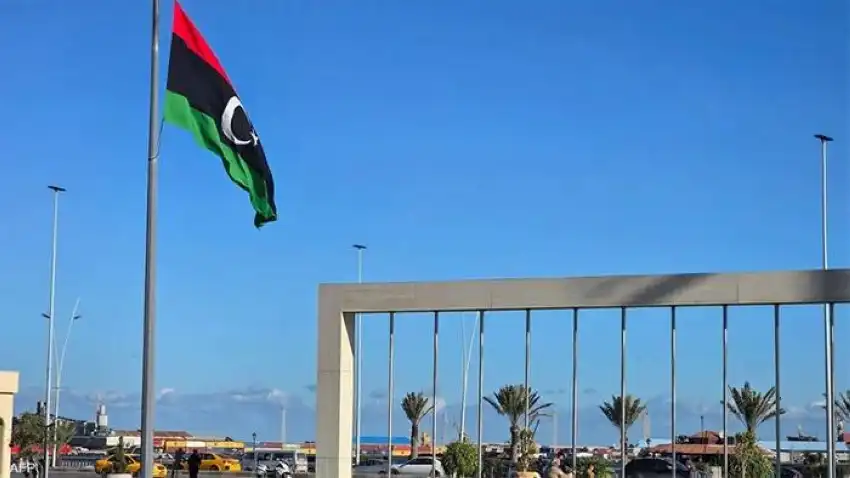
Disputes Threaten Unified Spending Agreement in Libya
The unified public spending agreement in Libya has resurfaced as a contentious issue after months of being hailed as a significant achievement between eastern and western institutions. This agreement, reached in April, marks the first unified budget in 13 years. However, serious obstacles now threaten its implementation following the parliament’s announcement of disagreements regarding its execution.
Parliament Considers Withdrawal
Issa Al-Aribi, the head of the unified spending committee in parliament, has indicated a potential withdrawal from the agreement. This move stems from accusations against the Government of National Unity for failing to adhere to the agreed-upon procedures. Al-Aribi noted that spending continues outside the framework of the agreement, jeopardizing its foundational principles and undermining the efforts made to achieve it.
Potential Implications for Public Finances
Observers warn that any party’s withdrawal from the agreement could reignite disputes over public financial management. Such a scenario poses a significant threat to the progress made in unifying the country’s financial policy. Therefore, it is crucial for all parties to collaborate in overcoming these challenges and revitalizing previous understandings.
Necessary Future Steps
The current situation in Libya demands increased dialogue and understanding among various stakeholders. Emphasizing the importance of the agreement is vital for enhancing financial and administrative stability. A return to fragmented financial management would pose a considerable threat to all parties involved. Thus, bridging the gap between institutions and fostering constructive dialogue is essential for moving forward.
The post Disputes Threaten Unified Spending Agreement in Libya appeared first on Yemen TV.
To follow the news in Arabic