A field report reveals the collapse of living conditions in southern Tehran, with buying food on credit becoming a daily phenomenon.

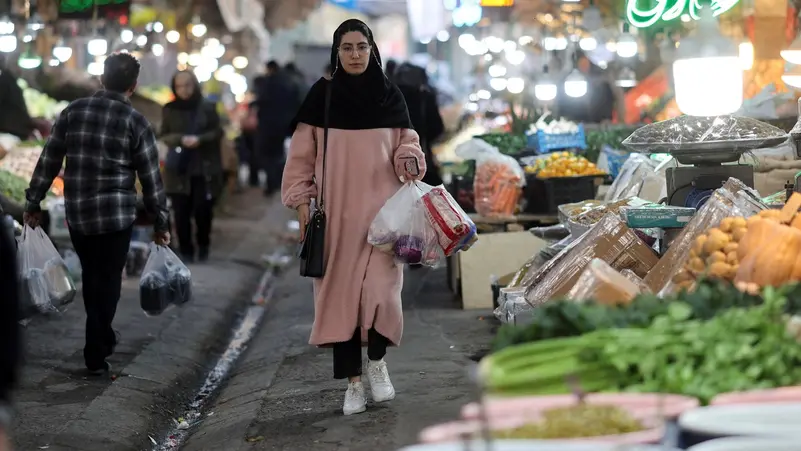
- Southern Tehran faces severe decline in living standards and daily survival struggles.
- Long queues form for basic food items as credit purchases increase among low-income families.
- Iran's inflation rate reaches 89%, making essential goods unaffordable for many households.
- Poverty erodes social trust, with retirees and families unable to secure basic needs.
The southern neighborhoods of the Iranian capital, Tehran, are experiencing an unprecedented decline in living standards. The local economy has lost its rhythm, replaced by a daily struggle for survival in areas such as Mokhtari Street and Darvazeh Ghar. Workers and low-income groups endure increasingly harsh conditions that worsen day by day.
Poverty Visible in the Streets, Not Just Numbers
Poverty in these areas has transcended mere statistics; it has become a part of the daily landscape. Long queues form for a few grams of meat or chicken bones, while stores struggle to sell on credit as rising prices deplete their ability to sustain operations.
According to the Ilna news agency, the greatest burden of this economic collapse falls on women in working-class families. Requests for credit purchases are rising as stores face declining capacity to continue selling on deferred payment terms.
Record Inflation Devours the Poor’s Tables
Official statistics indicate that Iran’s annual inflation rate reached:
- 89% year-on-year
- 69.9% general annual inflation
- 127.5% inflation for food and beverage categories
These figures reveal that essential goods—from meat and chicken to eggs, rice, and bread—have become unaffordable for low-income families.
Independent estimates suggest that covering the expenses for a single household requires a monthly income of approximately 90 million tomans, a figure that does not reflect the daily reality seen in the streets.
Empty Stores and Customers Requesting Bread on Credit
On Mokhtari Street, shop owners share stories of customers asking for bread and food on credit. Some have resorted to posting signs on their shopfronts prohibiting deferred sales due to financial constraints.
A local butcher states that his business would have collapsed without subsidies and food vouchers. He confirms that requests for credit purchases have surged, but he can only fulfill them for long-time customers.
Collapse of Social Trust
Poverty has not only emptied pockets but also struck at social trust. Retirees stand in bread lines, as their pensions barely last a week. Stores refuse to sell on credit, fearing they cannot recover losses amid hourly price increases.
To follow the news in Arabic