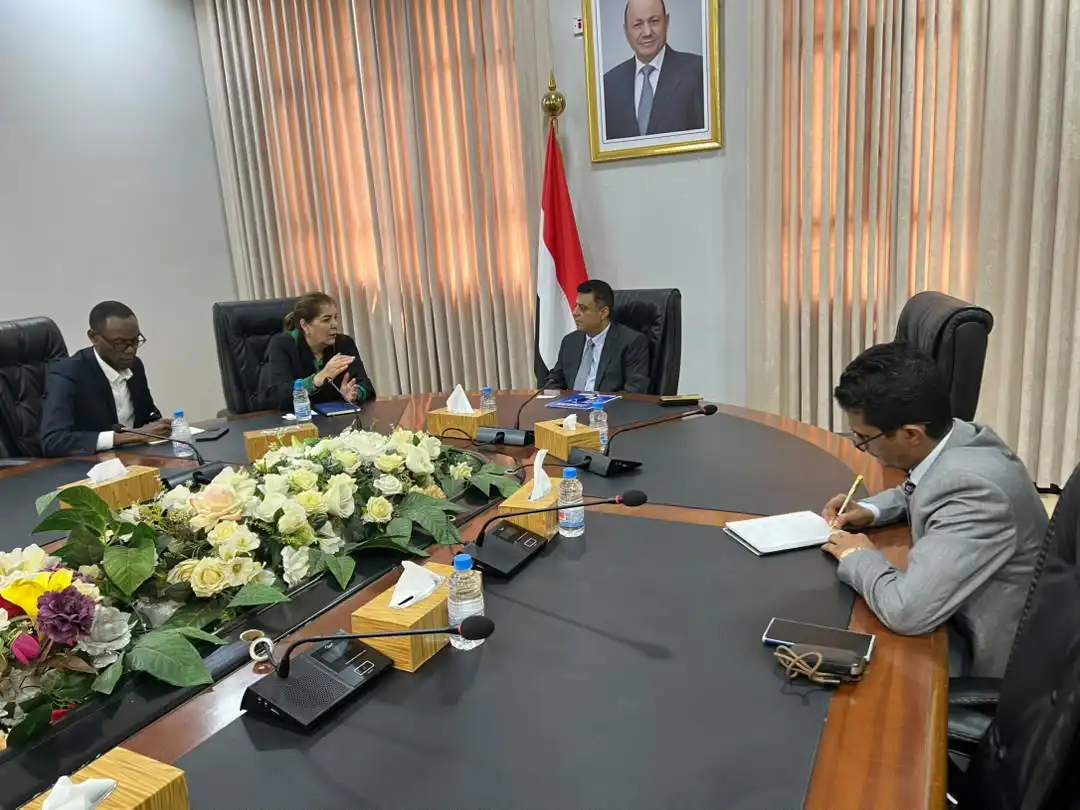
The European Union signs a ten million euro agreement to enhance agricultural food systems in Yemen.


- The European Union signs a €10 million agreement to enhance agricultural food systems in Yemen.
- The SANABEL project aims to strengthen agricultural value chains over 42 months.
- Job creation and sustainable livelihoods are key focuses of the initiative.
- The project addresses local challenges to support resilient food systems in Yemen.
EU Signs €10 Million Agreement to Strengthen Agricultural Food Systems in Yemen
The European Union, the United Nations Development Programme (UNDP), and the Food and Agriculture Organization (FAO) in Yemen have announced the signing of an agreement worth €10 million (approximately $11.4 million). This initiative aims to enhance climate-resilient agricultural food systems, create job opportunities, build more sustainable livelihoods, and promote economic recovery in Yemen.
Project Overview
The EU stated in a press release that the project, titled “Enhancing the Sustainability of Food and Natural Resources to Accelerate Business Growth, Economic Resilience, and Livelihoods” (SANABEL), will operate over 42 months. It will collaborate with farmers, businesses, and local institutions to strengthen agricultural value chains, making them more productive and market-oriented.
Commitment to Economic Resilience
Patrick Simonnet, the EU Ambassador to Yemen, emphasized the Union’s commitment to supporting Yemen’s resilience and sustainable economic recovery. He explained that the project integrates various components necessary to transform Yemen’s agricultural potential into lasting economic opportunities. This includes climate-smart production, sustainable natural resource management, and enhancing market capacity and access to job opportunities.
Importance of Job Creation
Noura Hamlaji, the UNDP Resident Representative in Yemen, highlighted the project’s significance in generating income and maintaining local systems, which is crucial for community stability. She noted that the UNDP will focus on job creation, restoring livelihoods, supporting private sector development, and enhancing local governance. These efforts aim to help families and communities withstand shocks and avoid further hardships by linking them to climate-smart agriculture.
Addressing Local Challenges
Adam Yao, the FAO Representative in Yemen, stated that this project responds to the realities faced by communities across Yemen. It will support farmers, businesses, and local institutions to strengthen resilient food systems and create opportunities for sustainable economic recovery.
To follow the news in Arabic