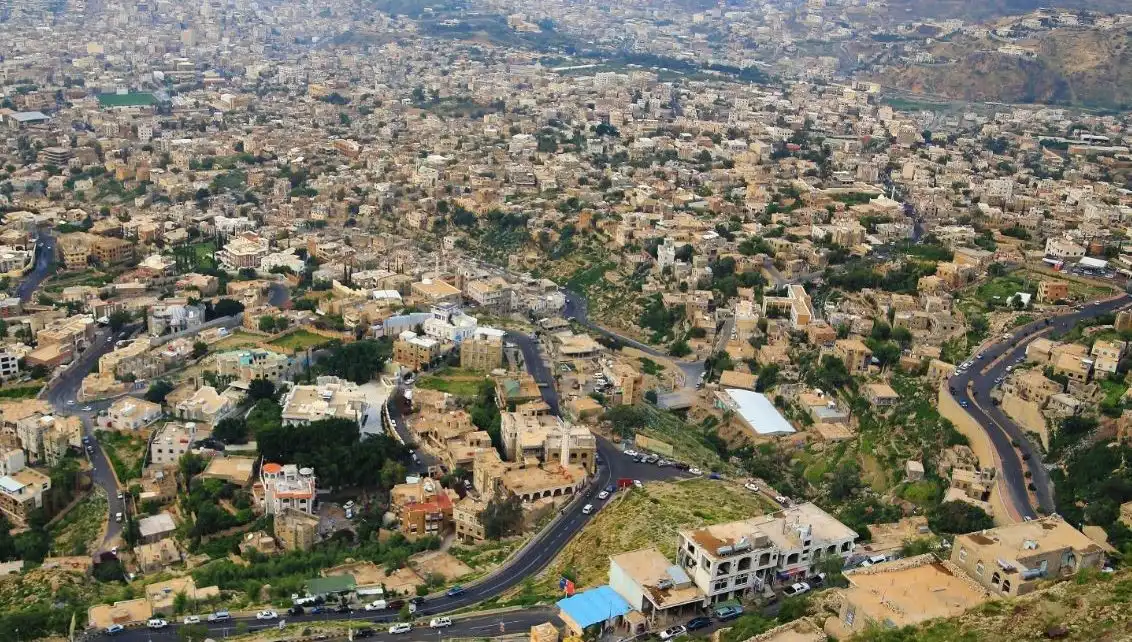
Houthi taxes force restaurants in Sana’a to close, with “Al-Shukr” being the latest victim.

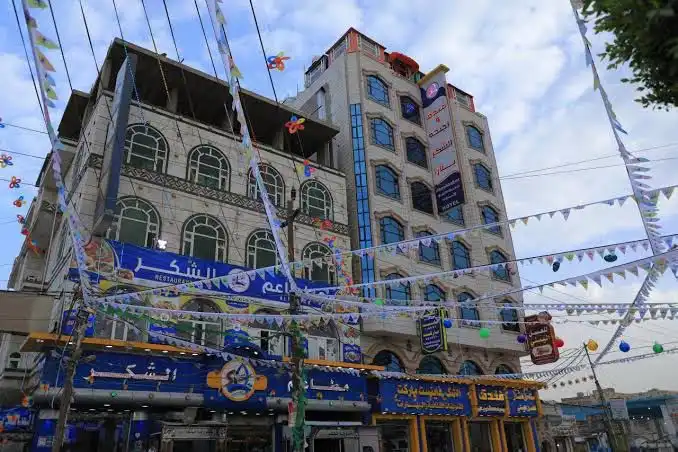
- Houthi militia's heavy taxation forces popular restaurant "Al-Shukr" in Sana'a to close.
- The closure contributes to a wave of restaurant shutdowns in the capital.
- Economic conditions and weak purchasing power are driving demand down for food services.
- Economists warn of increasing fragility in Sana'a's local economy and rising unemployment.
Houthi Taxation Forces Restaurant Closures in Sana’a
Heavy and ongoing taxation imposed by the Houthi militia, along with financial pressures and declining purchasing power among residents, has forced a popular restaurant in the capital, Sana’a, to close its doors and lay off dozens of workers. This marks a continuation of the wave of closures affecting the private sector in the city.
Local residents reported that the “Al-Shukr” restaurant, located on Marib Street in Sana’a, closed on Wednesday after years of operation and serving various types of meals. It joins a growing list of restaurants that have shut down on the same street, including Ameen Qaysh, Al-Rasani, and Al-Shadida, as well as Samarkand and Al-Diya, in addition to dozens of small and large restaurants throughout the capital.
Reasons for the Mass Closures
Sources attribute these closures to:
- Deteriorating economic and living conditions in Sana’a.
- Increasing illegal taxation and harassment imposed by the militia on restaurant and business owners.
- Weak purchasing power among citizens, leading to a decline in demand for food services.
In recent months, branches of the Royal Bahaj and Al-Kindi kebab restaurants have also closed due to Houthi harassment and economic stagnation.
Economic Warnings
Economists view the ongoing wave of closures as a serious indicator of the local economy in Sana’a entering a more fragile phase. This situation may compel small and medium investors to halt their activities, threatening to paralyze the private sector and increase unemployment rates.
To follow the news in Arabic