Trump: Iran is in a bad economic situation, and inflation is nearing three hundred percent.

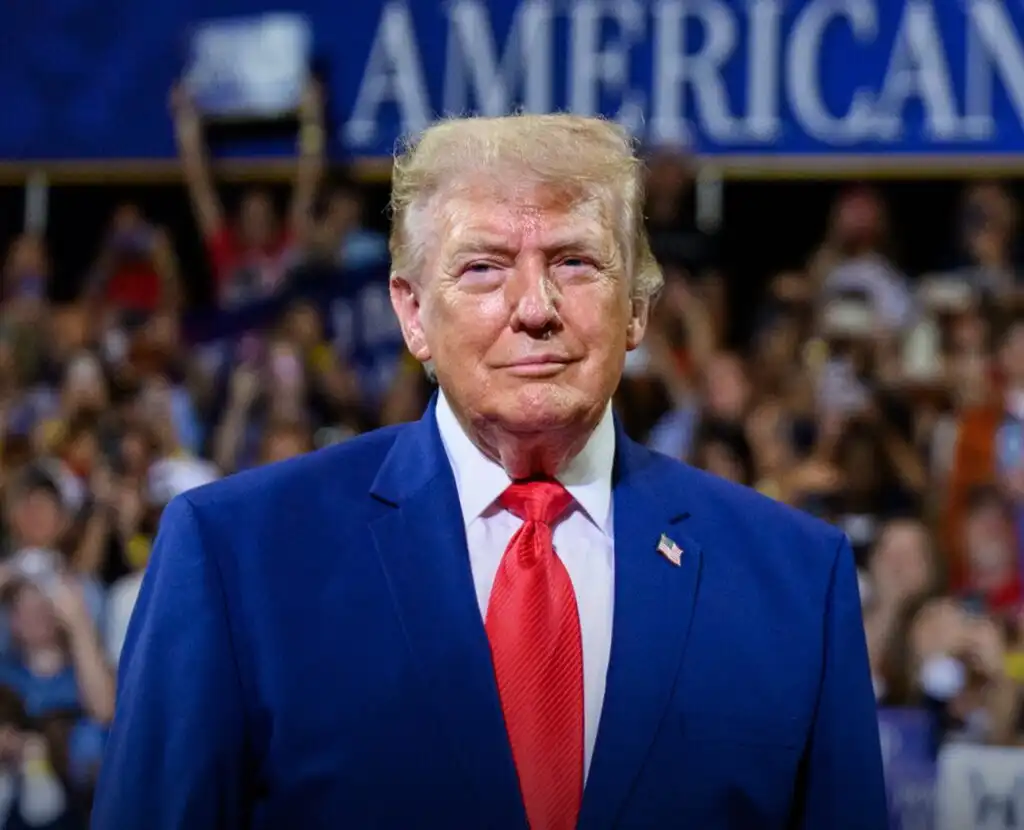
- Iran is facing a "very bad" economic situation with inflation near 300%.
- Trump predicts oil prices will drop when the conflict with Iran concludes soon.
- Leadership turmoil is evident as Iran's oil minister has resigned.
- Supreme Leader Mojtaba Khamenei has the final say on strategic decisions in Iran.
U.S. President Donald Trump stated that Iran is experiencing a “very bad” economic situation, noting that the inflation rate is around 300%. He emphasized that the country “has no economy, no oil, or anything,” as the repercussions of the war continue to affect energy markets.
Trump: Confrontation with Iran Will End Soon
Trump asserted that oil prices will drop once the conflict with Iran concludes, predicting that the confrontation will end “very soon” in one way or another. He also pointed out the resignation of Iran’s oil minister, indicating turmoil within Tehran’s economic decision-making structure.
Leadership Crisis in Iran
The U.S. President added that the “biggest problem” he faces is that no one knows who runs Iran. He highlighted the departure of “the second group of their leaders,” reiterating these remarks almost daily in recent times.
Iranian Decision-Making Structure: A Six-Member Committee and Supreme Leader’s Approval Required
Reports indicate that the decision-making process in Iran operates through a multi-tiered system:
- A six-member committee within the Supreme National Security Council formulates negotiation options.
- Political, security, and military institutions participate in discussions.
- In strategic matters, decisions ultimately rest with Supreme Leader Mojtaba Khamenei, who holds absolute authority.
Additionally, the indirect communications conducted by Iranian Foreign Minister Abbas Araghchi with the U.S. delegation in New York sparked widespread controversy, leading to calls for his questioning in parliament.
Final Decision Lies with the Supreme Leader
Data confirms that sensitive decisions, particularly those related to negotiations with the United States and the nuclear file, are not finalized in the six-member committee or the Supreme National Security Council. Instead, they require the approval of Supreme Leader Mojtaba Khamenei, amid ongoing debates following the leadership transition and increasing questions about the true center of decision-making in Iran.
To follow the news in Arabic