The Minister of Water and Environment stated that the fourth environmental status report serves as a national reference for decision-making and sustainable development.

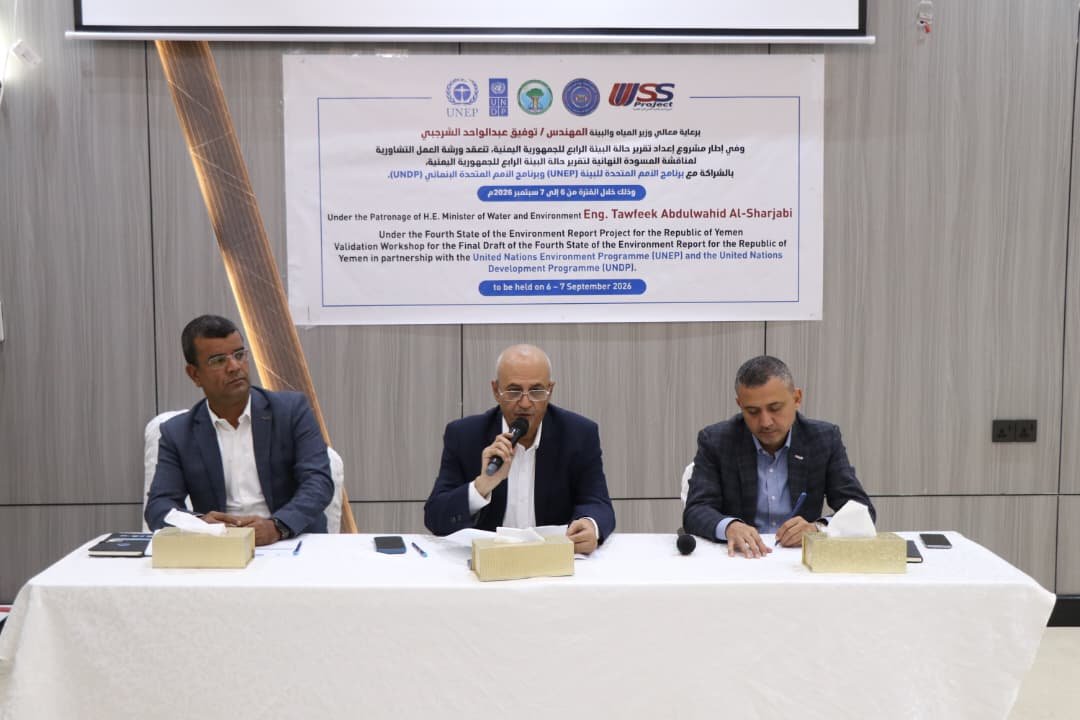
- Minister Tawfiq Al-Sharjabi released Yemen's Fourth Environmental Status Report for 2026.
- The report identifies environmental challenges and prioritizes sustainable development pathways.
- Al-Sharjabi emphasized the negative impact of the Houthi insurgency on environmental monitoring.
- Collaboration among various sectors is vital for integrating environmental considerations into policies.
Minister of Water and Environment Unveils Yemen’s Fourth Environmental Status Report
The Minister of Water and Environment, Engineer Tawfiq Al-Sharjabi, announced the release of the Fourth Environmental Status Report for the Republic of Yemen 2026. He described the report as a strategic national document and a scientific reference for assessing Yemen’s environmental conditions. The report aims to identify challenges and establish priorities for protecting natural resources while promoting sustainable development pathways.
Addressing Environmental Challenges
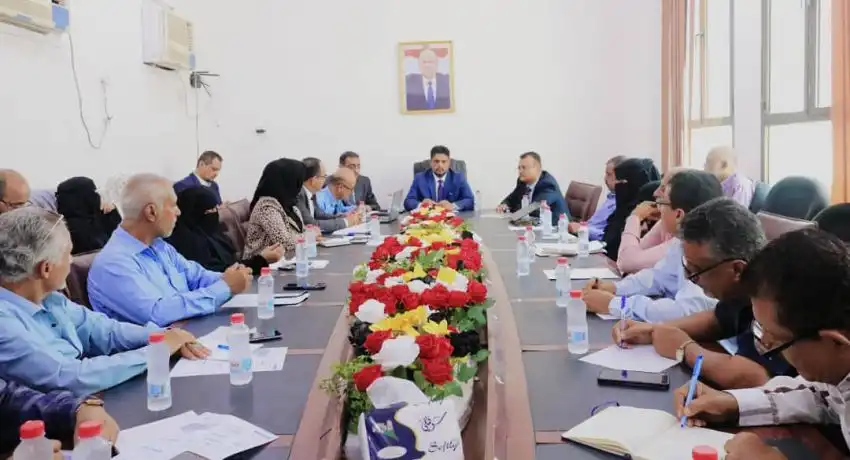
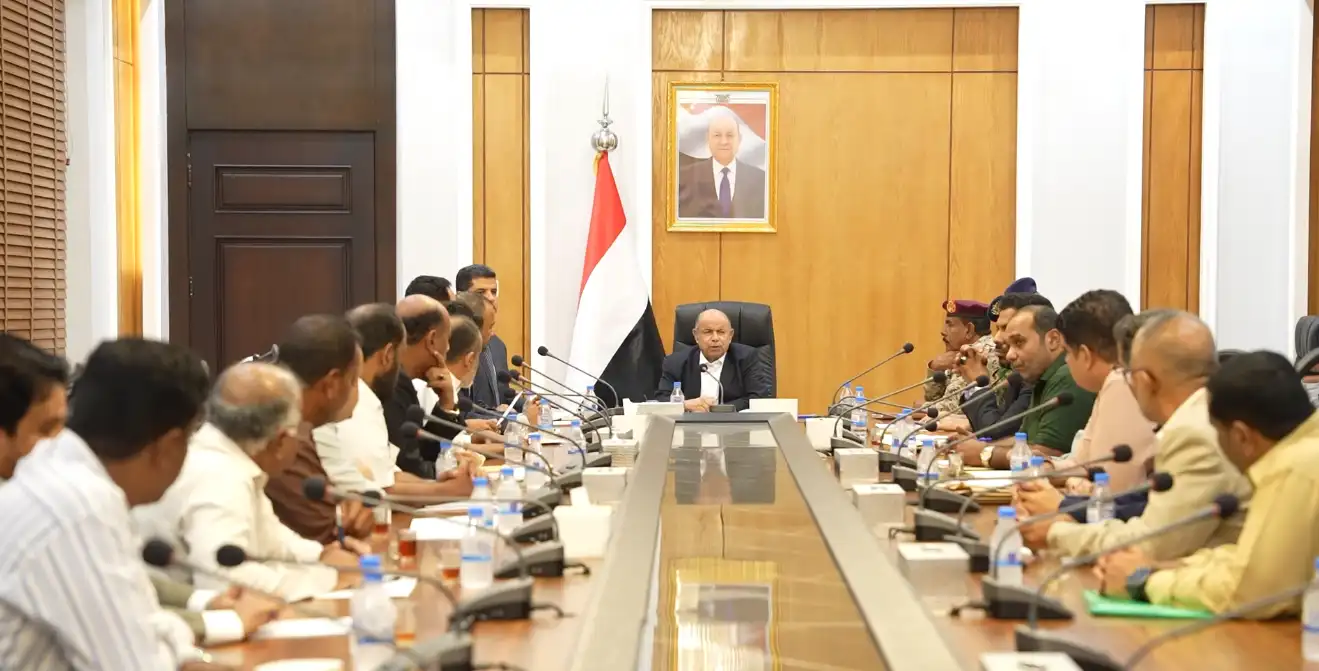
During the opening of a consultative workshop in the temporary capital of Aden, Al-Sharjabi highlighted the increasing environmental challenges facing Yemen. These challenges include the deterioration of water resources, desertification, soil erosion, declining biodiversity, and pressures on marine and coastal environments. Additionally, he pointed out the issues related to waste management and air quality degradation, alongside the impacts of climate change, which manifest in droughts, floods, and extreme weather events.
The Impact of Houthi Insurgency
Al-Sharjabi noted that the repercussions of the Houthi insurgency have intensified pressures on natural systems and undermined environmental monitoring and oversight capabilities. This situation underscores the urgent need for reliable and updated environmental data to support planning, decision-making, and policy direction toward national priorities.
Promoting Collaborative Efforts
The Minister emphasized the importance of enhancing collaboration among government institutions, local authorities, the private sector, civil society, academic institutions, and development partners. He called for the integration of environmental and climate considerations into sectoral plans and policies.
Acknowledging Support and Partnerships
Al-Sharjabi expressed gratitude for the support and partnership of the United Nations Development Programme (UNDP) and the United Nations Environment Programme (UNEP) in preparing the report. He also recognized the efforts of experts and national institutions that contributed data and expertise. The Minister affirmed the ministry’s commitment to establishing a proactive approach based on early monitoring, evidence-based planning, and building environmental resilience and sustainability.
This report serves as a crucial tool for guiding Yemen’s environmental policies and ensuring a sustainable future for its natural resources.
To follow the news in Arabic