The Minister of Transport discusses the status of liberated port institutions and the progress of maritime activities.

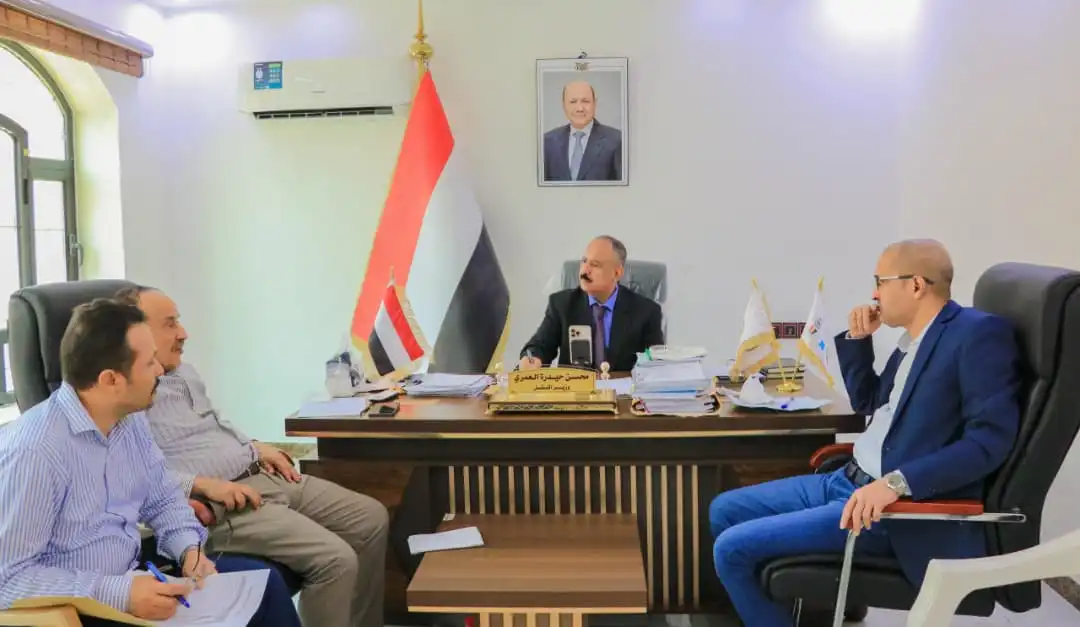
- Minister of Transport Mohsen Al-Omari evaluated the status of Yemen's liberated port institutions.
- The meeting addressed challenges in the maritime transport sector and navigation amid current crises.
- Al-Omari condemned Houthi attacks on Al-Mokha Port and stressed the need for evaluation reports.
- Port leaders were instructed to expedite cargo processing and focus on developmental projects.
Minister of Transport Discusses Conditions of Liberated Yemeni Ports
In a significant meeting held today in the temporary capital of Aden, Minister of Transport Mohsen Al-Omari evaluated the current status of Yemen’s liberated port institutions and the General Authority for Maritime Affairs. This assessment comes amid the exceptional circumstances the country faces.
Key Participants and Challenges
The meeting included prominent figures such as Dr. Mohammed Amzrabah, Chairman of the Aden Gulf Ports Authority; Fahim Saif, CEO of the General Authority for Maritime Affairs; Dr. Abdullah Al-Sharabi, Deputy Chairman of the Red Sea Ports Authority and Director General of Al-Mokha Port; and Fouad Al-Rabaki, Deputy Chairman of the Arabian Sea Ports Authority. Together, they discussed the challenges confronting the maritime transport sector and navigation.
Security Risks and Recommendations
Minister Al-Omari highlighted the increasing risks in Yemen’s territorial waters, particularly the ongoing escalation by Houthi militias. He condemned the recent attacks on Al-Mokha Port, which suffered deliberate bombing and destruction, violating international laws and standards. He instructed port authorities and the maritime authority to submit evaluation reports within two days. These reports should detail the current conditions, performance levels, challenges faced, and practical solutions to enhance operations and efficiency.
Emphasizing Anti-Smuggling Measures
Al-Omari stressed the importance of aligning with the political leadership’s directives to strengthen anti-smuggling measures. He urged the implementation of the approved action plan and emphasized the need for cooperation among relevant authorities at land, sea, and air ports. This cooperation aims to minimize redundancy and overlap in responsibilities.
Addressing Cargo Backlogs and Development Projects
The Minister directed port leaders to expedite the processing of accumulated cargo within ports and facilitate its release. He also called for a focus on developmental and rehabilitation projects, ensuring optimal use of generated revenues to improve technical and logistical infrastructure. This enhancement will ultimately raise the quality of services provided at the ports.
Impact of the Current Crisis on Maritime Activity
Captain Ali Al-Sobhi, Undersecretary of the Ministry of Transport for Maritime Affairs and Ports, presented an overview of the current crisis’s impact on maritime activities. He discussed the repercussions on shipping movements and ports, including a significant rise in insurance fees for vessels due to security risks in the region. This increase affects both maritime and economic activities in the ports and the country. Additionally, he addressed various issues related to the ports’ investment program.
Collaborative Efforts for Improvement
The meeting also featured contributions from port authority leaders and the maritime authority, focusing on ongoing projects, essential needs, and challenges affecting performance. They proposed strategies to enhance maritime activities, boost revenues, and improve service quality.
In conclusion, the discussions underscored the urgent need for strategic actions to address the challenges facing Yemen’s maritime sector, ensuring its resilience and growth in these trying times.
To follow the news in Arabic