President Alimi Affirms Commitment to Support Humanitarian Efforts in Yemen

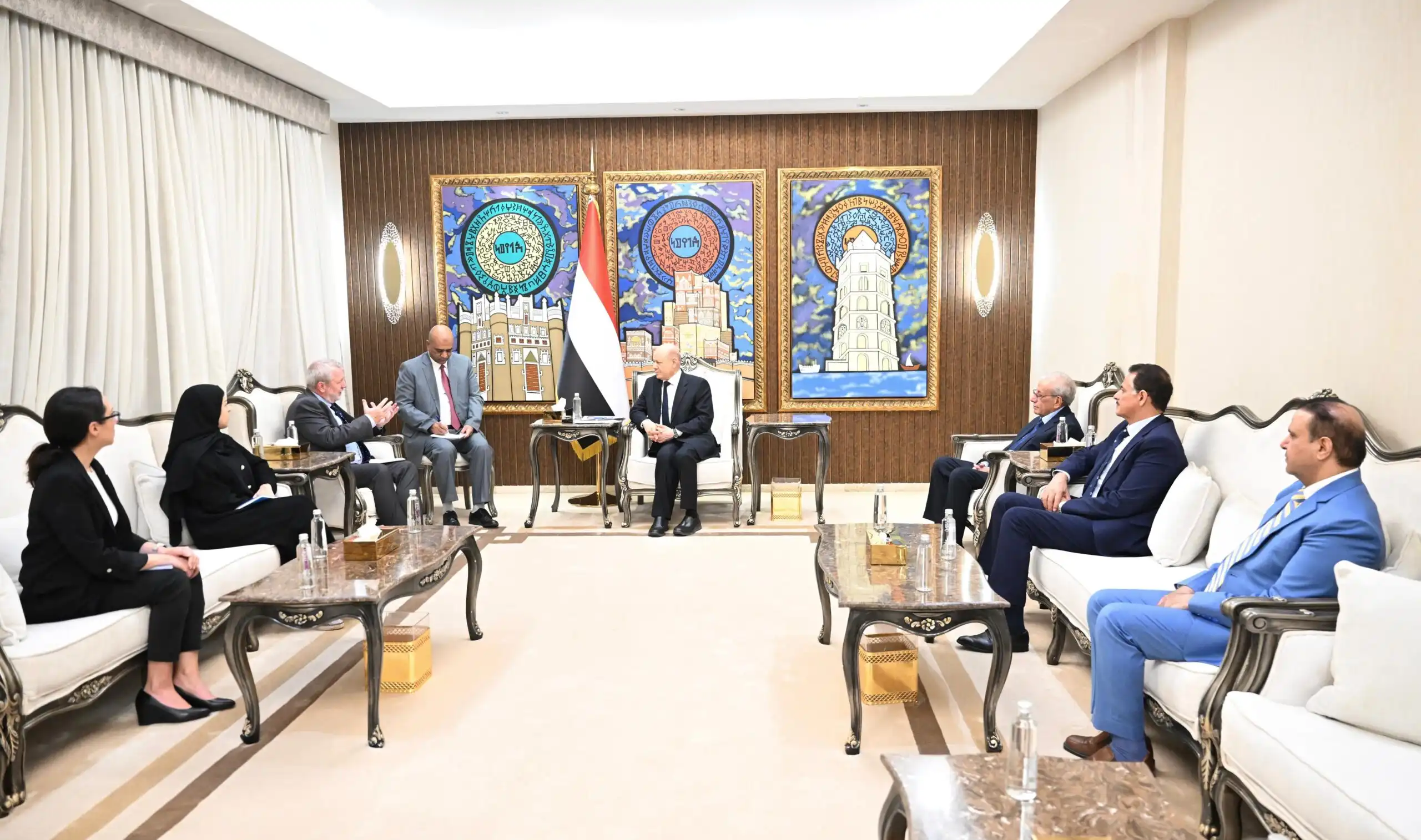
- President Alimi met UNICEF's Peter Hawkins to discuss humanitarian interventions in Yemen.
- The Yemeni government and UNICEF have collaborated since the 1970s to support children.
- Alimi highlighted the Houthi crisis's detrimental impact on children's education and health.
- The government aims to transition from emergency response to sustainable humanitarian solutions.
President Alimi Meets UNICEF Representative to Discuss Humanitarian Efforts
On Wednesday, President Dr. Rashad Mohammed Alimi, head of the Presidential Leadership Council, welcomed Peter Hawkins, the UNICEF Resident Representative. The meeting focused on UNICEF’s humanitarian interventions in Yemen, particularly in health, education, child protection, nutrition, vaccination against deadly diseases, psychological support, environmental sanitation, and building local authorities’ capacity to manage water systems.
Strengthening Partnerships for Child Welfare
President Alimi praised the longstanding partnership between the Yemeni government and United Nations organizations, highlighting UNICEF’s significant presence in Yemen since the 1970s. He acknowledged UNICEF’s ongoing efforts to support Yemeni children and families, particularly in mitigating the humanitarian crisis exacerbated by the Iranian-backed Houthi militia.
Impact of the Houthi Crisis on Children
During the meeting, President Alimi highlighted the devastating effects of the Houthi coup, which has dismantled the humanitarian protection network. Millions of children have become direct victims of the conflict, facing issues such as recruitment, deprivation of education and essential vaccinations, and the destruction of vital infrastructure and the national economy.
Expanding Humanitarian and Development Interventions
The President emphasized the importance of building on the existing partnership with UN organizations to enhance humanitarian and developmental interventions related to children. He specifically mentioned the need for programs focusing on school nutrition, educational support to prevent dropouts, water and sanitation services, primary healthcare, and psychosocial support, aiming to expand their impact across the country.
Transitioning to Sustainable Solutions
Looking ahead, President Alimi expressed his desire to shift from emergency response to a more sustainable approach that fosters recovery and builds essential institutions and services. He acknowledged the role of donor countries and organizations that support UNICEF’s programs in Yemen, particularly the Kingdom of Saudi Arabia and international partners who continue to assist the Yemeni people during these challenging times. He stated that investing in Yemeni children today is an investment in peace, stability, and the future of Yemen and the region.
Commitment to Humanitarian Efforts
President Alimi reaffirmed the government’s commitment to providing all necessary protections and facilitation for humanitarian and UN organizations, ensuring a safe environment for their operations. He recognized humanitarian work as a crucial partner in safeguarding the community and maintaining a minimum level of stability.
Additionally, he reiterated full support for the humanitarian community and relief workers, as well as UN personnel unlawfully detained by the Houthi militia, describing these actions as a blatant violation of international law and national norms.
Conclusion
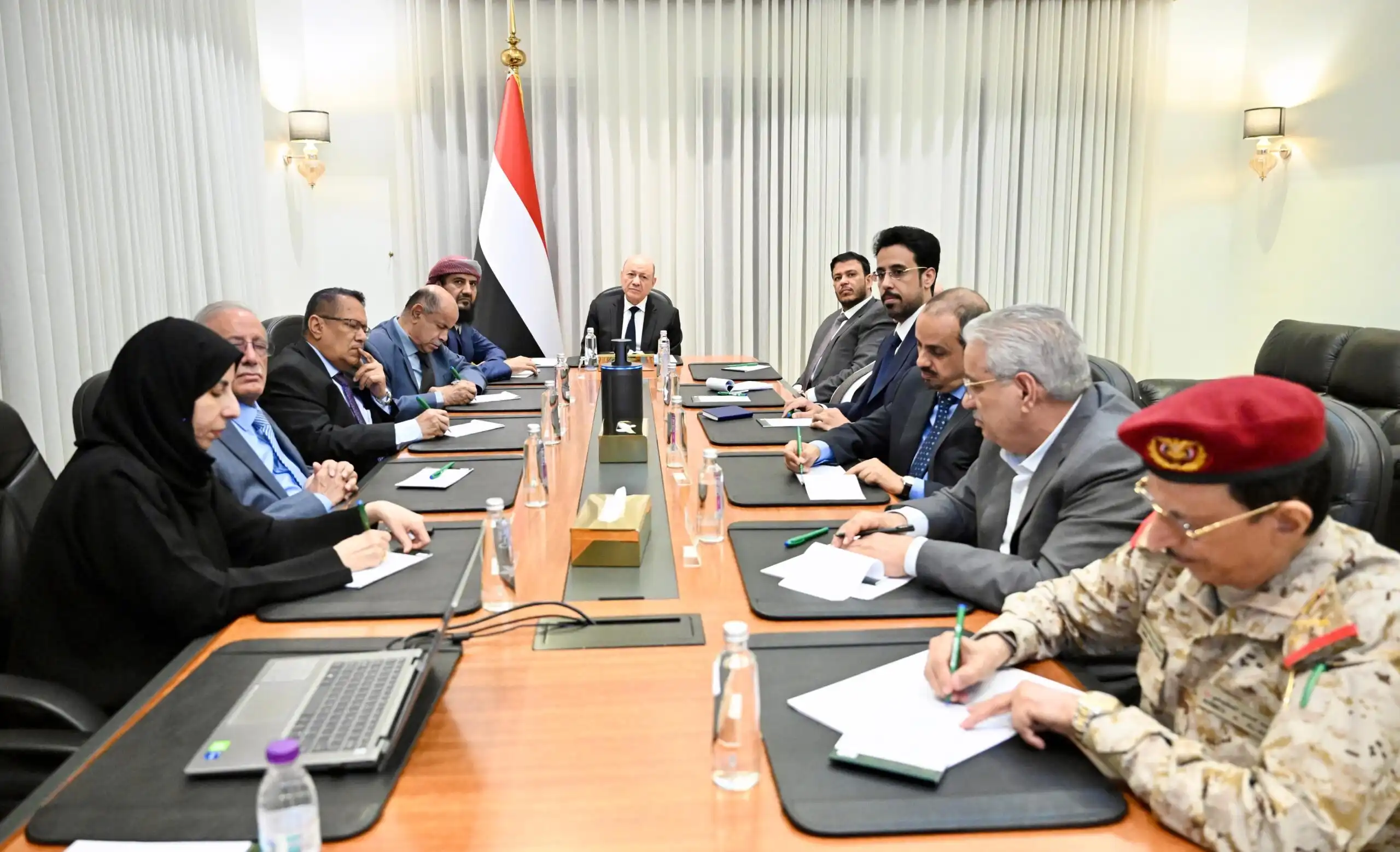
The meeting concluded with the presence of Dr. Yahya Al-Shaibi, Director of the Presidential Office, underscoring the government’s dedication to addressing the humanitarian crisis and supporting the welfare of Yemeni children.
For more information, visit Yemen TV.