North Korea Revises Constitution to Enable Automatic Nuclear Strikes

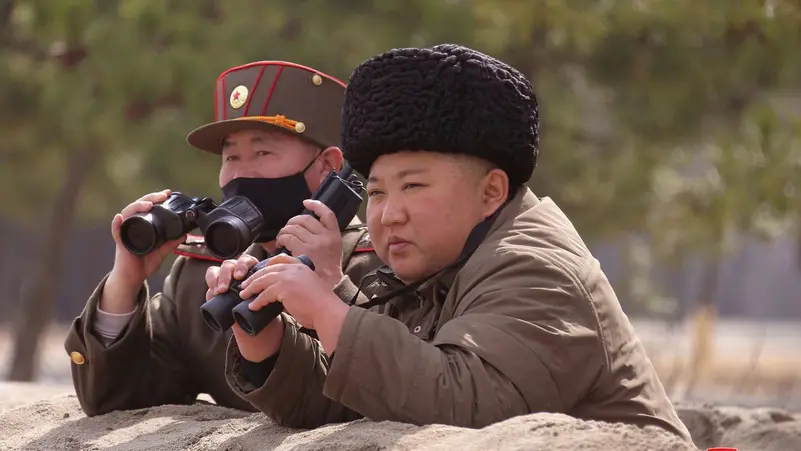
- North Korea amends its constitution for automatic nuclear retaliation against perceived threats.
- The amendment was approved by the Supreme People's Assembly on March 22 in Pyongyang.
- Concerns over assassination threats have heightened North Korea's nuclear deterrence posture.
- Kim Jong-un has adopted a hardline stance towards South Korea and the United States.
North Korea Amends Constitution for Nuclear Response
Recent international reports reveal that North Korea has officially amended its constitution, establishing a mechanism for automatic nuclear retaliation in the event of an assassination of leader Kim Jong-un or a loss of his power. This significant development comes amid escalating global tensions and highlights the regime’s growing security concerns.
Key Features of the Constitutional Amendment
According to a report by the New York Post, citing The Telegraph, the amendment was approved during a session of the Supreme People’s Assembly that commenced on March 22 in Pyongyang. The new provision indicates that, should the command and control system for nuclear forces be threatened by an adversarial attack, a nuclear strike will be launched automatically and immediately. This amendment has arisen from heightened anxieties following the assassination of Iranian leader Ali Khamenei, which was reportedly orchestrated by Israel in coordination with the United States.
Implications for Regional Security
The assassination of Khamenei has raised alarms among regimes that see themselves as potential targets for similar operations. In response, Pyongyang has reinforced its nuclear deterrence doctrine through this constitutional change. The South Korean National Intelligence Service has confirmed that it briefed senior officials on the details of the amendment, amidst close regional and international monitoring.
Furthermore, in a related development, North Korea previously amended its constitution to eliminate any references to reunification with South Korea. This change allows North Korea to officially define itself as a completely separate state. Last month, Kim Jong-un pledged to enhance nuclear capabilities and adopt a more hardline stance toward South Korea, labeling it as the “most hostile” nation. Additionally, Kim accused the United States of “state terrorism,” indicating a more active role in countering Washington amid intensifying global tensions. These developments reflect an escalation in North Korea’s nuclear rhetoric and hostile intentions.
BREADCRUMB_TITLE: North Korea Nuclear Policy