Egypt Forecasts 99.8 Billion EGP Savings from Upcoming Fuel Price Increases

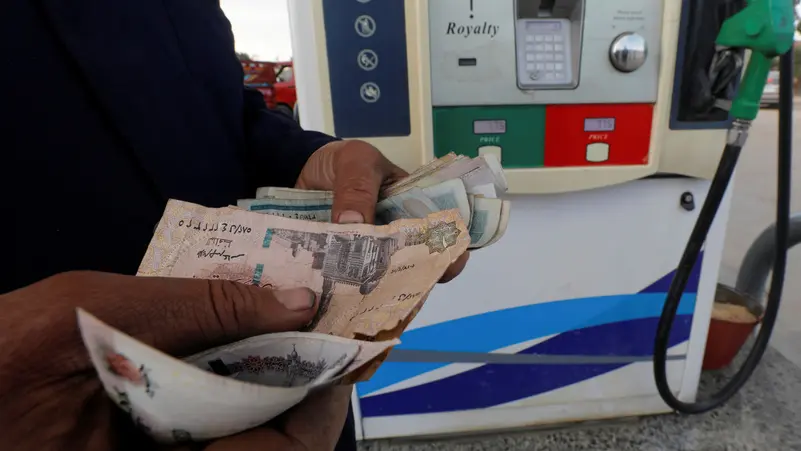
- Egypt expects to save 99.8 billion EGP from fuel price increases in the next fiscal year.
- Projected savings include 52.89 billion EGP from diesel and 33 billion EGP from household gas.
- The government plans to accelerate international financing of 3.5 to 4.5 billion USD.
- Citizen Bond revenue target increased from 5.6 billion EGP to 30 billion EGP by April.
Egypt’s Projected Savings from Fuel Price Increases
The Egyptian Ministry of Finance has announced an estimated savings of approximately 99.8 billion Egyptian pounds (EGP) as a result of recent fuel price hikes planned for the upcoming fiscal year. This projection is part of the ministry’s broader strategy for fiscal flexibility and crisis management, aimed at navigating economic challenges while promoting growth and stability.
Expected Savings Breakdown
The ministry’s estimates are based on several key assumptions, including an exchange rate of 49 EGP per dollar and an oil barrel price set at 75 USD. The anticipated distribution of savings is as follows:
- Diesel: 52.89 billion EGP
- Gas Cylinders: 13.3 billion EGP
- Gasoline (Total: 33.7 billion EGP):
- Gasoline 80: 11.2 billion EGP
- Gasoline 92: 18.8 billion EGP
- Gasoline 95: 3.7 billion EGP
- Household Gas: 33 billion EGP
Government Initiatives and Financial Planning
To complement these savings, the Ministry of Finance has outlined several strategic initiatives, including:
- Completing the offering of the Jabal El-Zeit Station prior to the end of the current fiscal year.
- Executing three government offerings, which encompass Cairo Bank and Misr Life Insurance Company.
- Accelerating the disbursement of international financing estimated between 3.5 and 4.5 billion USD, sourced from:
- 1.5 billion USD from the European Union
- 1.5 billion USD from the World Bank and Asian Development Bank
- 1.5 billion USD from the International Monetary Fund
The ministry also highlighted the potential impact of exchange rate fluctuations on the national budget. For instance, an increase of one EGP in the exchange rate could cost the budget over one billion EGP, escalating costs significantly at higher exchange rates.
An additional initiative includes increasing revenue from the Citizen Bond program from 5.6 billion EGP to 30 billion EGP by the end of April, further demonstrating the government’s commitment to fostering financial stability amid ongoing economic challenges.