Yemen’s Ministry of Health Commemorates World Malaria Day 2026: A Call to Action Against Malaria

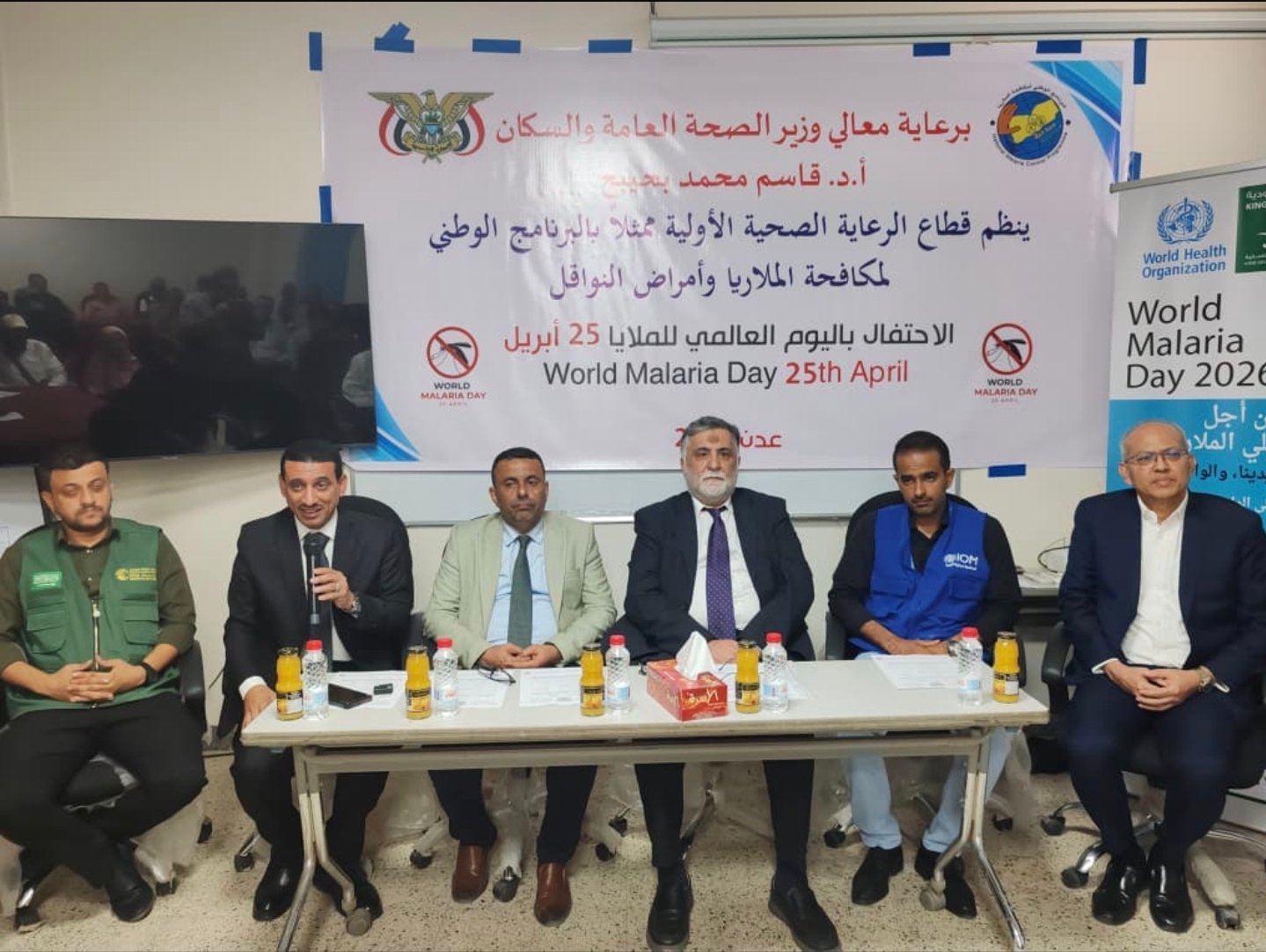
- The Ministry of Health commemorated World Malaria Day with an official event on April 25.
- Dr. Ali Al-Walidi emphasized the need for community awareness on malaria prevention.
- Over 60% of Yemen's population is at risk of malaria infection, necessitating urgent action.
- The National Malaria Control Program has achieved significant results despite challenging circumstances.
Yemen’s Observance of World Malaria Day
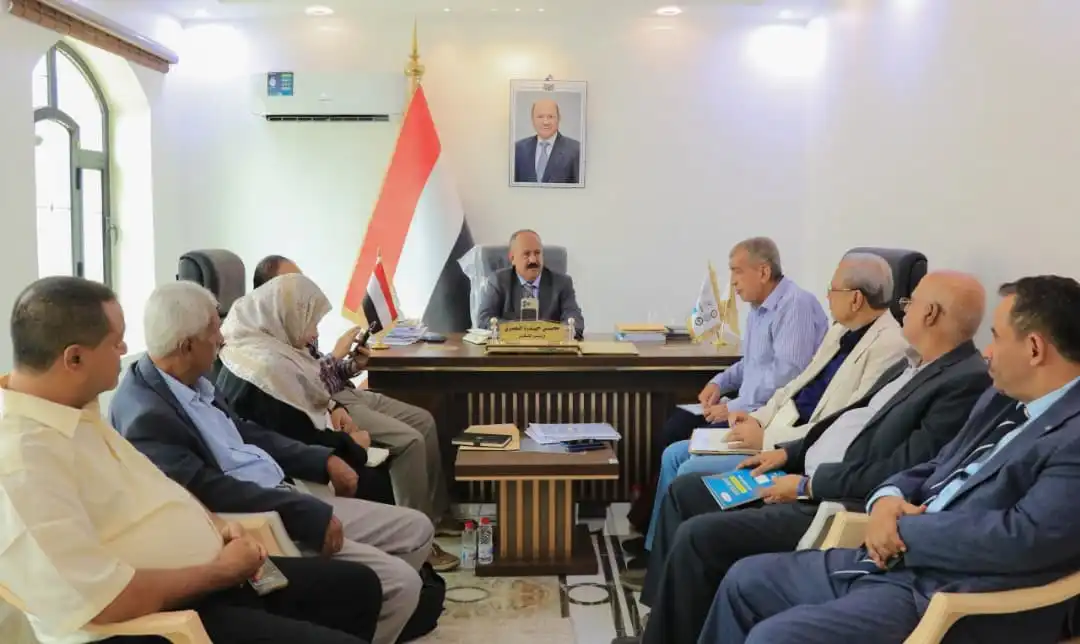
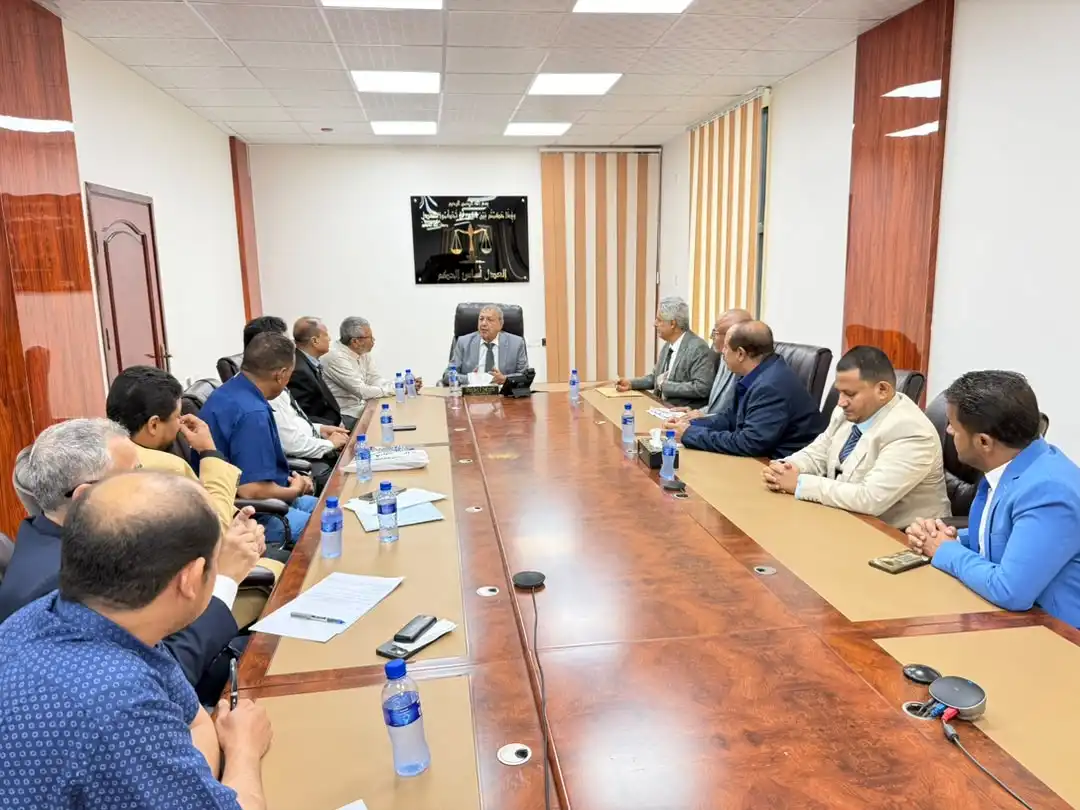
The Ministry of Public Health and Population in Yemen commemorated World Malaria Day 2026 on April 25 with an official event organized by the Primary Health Care Sector, represented by the National Malaria Control Program. This annual observance is part of global efforts to combat malaria and mitigate its health, economic, and social impacts.
Key Attendees and Opening Remarks
The event featured notable participants, including Dr. Syed Jafar, the World Health Organization (WHO) representative in Yemen, alongside representatives from various international organizations supporting the malaria control program. Leaders from the Ministry of Health, program staff, and health specialists were also in attendance.
In his opening remarks, Dr. Ali Al-Walidi, the Undersecretary for Primary Health Care, underscored the importance of World Malaria Day. He highlighted the significant challenges posed by malaria and vector-borne diseases in Yemen and stressed the urgent need for increased community awareness regarding prevention and control measures. Dr. Al-Walidi pointed out that malaria remains one of Yemen’s most pressing health challenges.
The Current Malaria Threat in Yemen
Dr. Al-Walidi revealed that over 60% of Yemen’s population resides in areas at risk for malaria infection. This alarming statistic necessitates a collaborative effort between national and international stakeholders to enhance preventive and therapeutic interventions. He called for strengthening the health system’s capacity to combat the disease effectively.
The Undersecretary commended the National Malaria Control Program for achieving tangible results in reducing infection and mortality rates, even amidst the country’s challenging circumstances. He also expressed gratitude for the ongoing support from partners and donors.
Program Achievements and Future Strategies
Dr. Yasser Baheesh, Director General of the National Malaria Control Program, provided a technical overview of the malaria epidemiological situation in Yemen. He discussed field activities undertaken across various governorates, emphasizing recent achievements and the current challenges faced in malaria control efforts.
Dr. Baheesh outlined the program’s strategic interventions, which include spraying campaigns, distribution of treated mosquito nets, epidemiological surveillance, early diagnosis, effective treatment provision, and capacity building for health workers. These initiatives aim to reduce the disease burden and improve prospects for future eradication.
The WHO representative in Yemen expressed satisfaction in participating in the event, emphasizing the Ministry of Health’s commitment to public health and its proactive approach to priority diseases. He praised the malaria control program as one of the leading national initiatives within the Ministry, noting its clear vision, effective planning, and adherence to established national strategies.
Furthermore, he reaffirmed the WHO’s commitment to continuing support for the program through the King Salman Humanitarian Aid and Relief Center and other projects in Yemen.
International Perspectives on Malaria Control
Dr. Bassam Saleh, Director of the Global Fund Project in Aden, expressed his appreciation for the Ministry of Health and the malaria control program. He commended the program’s field and administrative achievements, which have bolstered international partners’ confidence and opened avenues for more impactful and sustainable future support projects.
The event also included two virtual presentations. Dr. Qasim Zamani, Director of the Malaria Unit at the WHO Regional Office, and Dr. Alia Zaid, Director of the U.S. Navy Medical Research Center, highlighted the importance of sustained collaborative efforts and the integration of scientific and field roles to combat malaria effectively and curb its spread.
Conclusion
World Malaria Day serves as a vital reminder of the ongoing fight against malaria in Yemen. The dedication of health authorities, international organizations, and community stakeholders is essential in the collective effort to address this pressing public health issue.