President Alimi Meets Judicial Leaders to Discuss Recent Developments
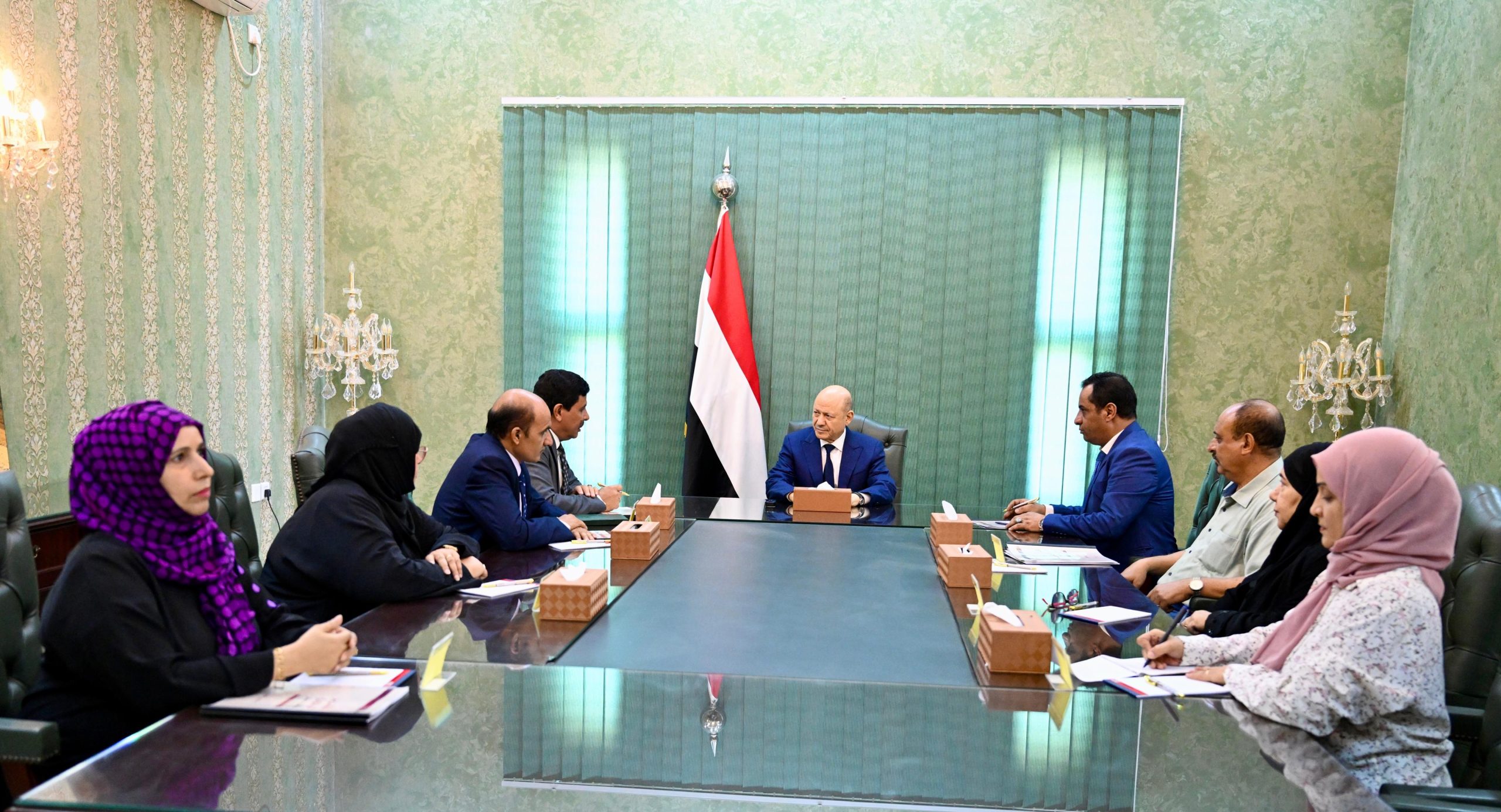
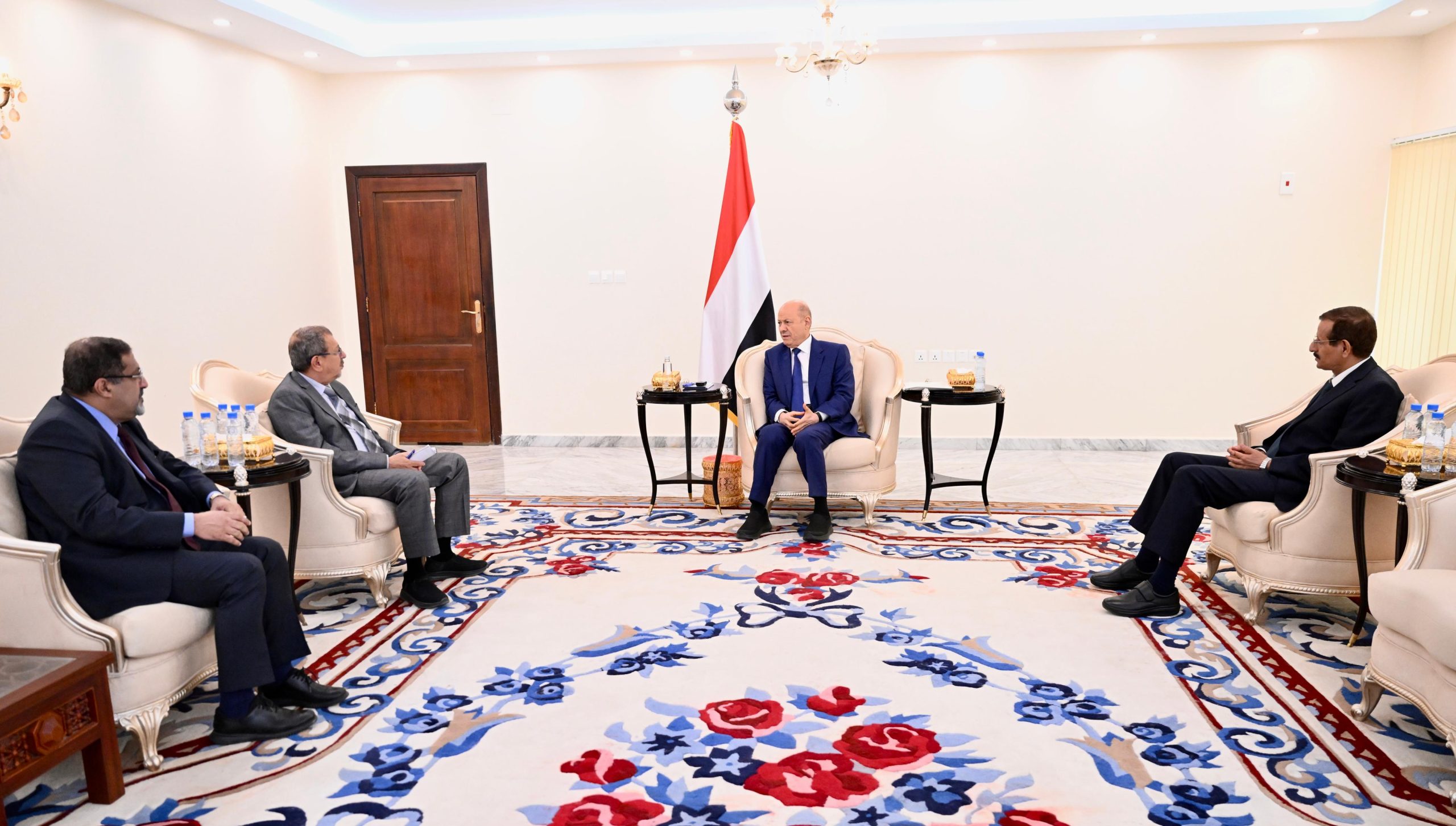
On Thursday, President Dr. Rashad Mohammed Alimi, head of the Presidential Leadership Council, convened at the Maasheeq Palace with key judicial figures. The meeting included Chief Justice Mohsen Yahya Taleb and Supreme Court President Dr. Ali Al-Awash, alongside Justice Minister Badr Al-Aradah.
Overview of Judicial Performance
During the meeting, President Alimi received a briefing on the recent performance of the judiciary. The discussion focused on various cases currently under review in different judicial circles. This overview aimed to assess the effectiveness and efficiency of the judicial system.
Budget and Salary Concerns
The conversation also addressed critical issues related to the judiciary’s budget. Participants discussed necessary measures to ensure timely salary payments for judicial staff and their healthcare. Recognizing the vital role of justice officials, the President emphasized the importance of supporting their contributions to the state’s presence and the enforcement of the rule of law.
Economic Recovery and Judicial Support
Additionally, the meeting highlighted the judiciary’s efforts to bolster the economic and monetary recovery plan. This initiative represents a key component of comprehensive reform programs. The judiciary plays a crucial role in promoting integrity, governance, and combating corruption, as well as addressing suspicious activities that threaten the national economy.
Acknowledgment of Judicial Achievements
President Alimi praised the achievements of the judiciary, expressing gratitude for its active role in collective efforts to implement comprehensive reforms. He acknowledged the judiciary’s commitment to protecting both private and public rights, maintaining civil peace, and strengthening the legal framework of the state in the temporary capital, Aden.
Commitment to Judicial Independence
The President reaffirmed the Presidential Leadership Council’s and the government’s full commitment to judicial independence. He emphasized the importance of non-interference in judicial affairs and the need to facilitate the judiciary’s operations in accordance with the constitution and law. This commitment stems from a deep belief that the judiciary is the source of justice and the foundation of good governance.
For more details, visit Yemen TV.
To follow the news in Arabic